
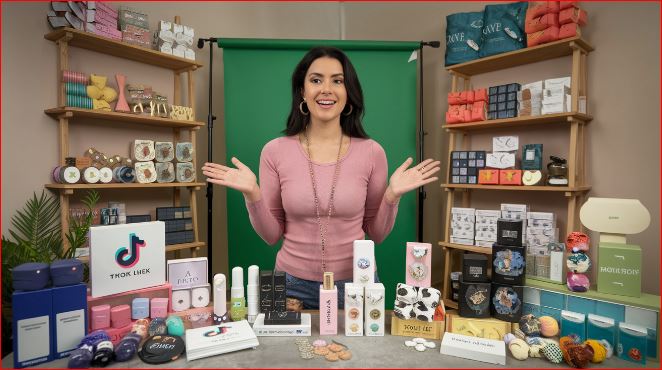
In the last decade, many social media trends have come and gone, from the use of AI in social media to the rise in the popularity of short videos, and the rise in influencer marketing. Influencer marketing has been shaping what consumers do or buy. It involves brands partnering with influencers to market their products and services.
Another trend that is becoming popular on social media is de-influencing. In this article, we will discuss what de-influencing is and why it is making waves on social media. We will also see how it's different from influencer marketing, its pros and cons, and why brands should care.
What is De-influencing?
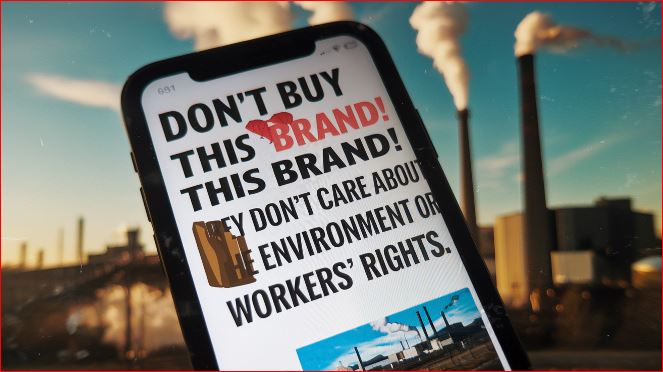
As the name suggests, de-influencing is the practice of social media personalities encouraging users not to buy certain brands. Unlike influencers who encourage users to buy a product, de-influencing tells people not to buy a product. This could involve providing negative reviews and showing products that aren't worth the hype, and therefore, helping customers evaluate the process.
De-influencing persuades users to make a conscious buying decision and avoid overindulgence. It cites reasons such as:
- The product costs more than it should.
- It is poorly made.
- It is ethically questionable.
- It causes physical, mental, or environmental harm.
The de-influencing trend began in the lifestyle and beauty industries and is now being used by influencers in other sectors. Even though it began on TikTok, it is becoming popular on other platforms such as Instagram. The trend isn't only about rejecting the products marketed by influencer marketers. It also involves educating consumers to make wise choices.
Benefits of De-influencing
There are many benefits of de-influencing for marketers, consumers, and brands. These include:
More Credibility
De-influencing can help brands improve user trust and credibility by showing their honest and transparent side. By acknowledging their shortcomings and accepting criticism, brands can show they care about customer feedback and are ready to improve their product offerings.
Higher Level of Transparency
Trust is one factor affecting a brand's ability to sell. You will likely see fewer sales if people don't trust your brand. You can build trust for your brand by being open and transparent. De-influencing shows your negative side, which is an indication of your openness and transparency. It shows your values and ethics and can help attract customers with similar interests and benefits.
When influencers criticize your brand, it can help show that they give a balanced review of a product instead of creating the illusion that they only tell the positive side of your brand. You can, therefore, handle the campaigns openly, which will show the transparent side of your brand.
Higher Engagement
Social media users are usually opposed to promotional content. With many social media users having the option to watch a wide range of content, they will skip your content if they find it overly promotional. On the other hand, de-influencing ensures that potential customers get meaningful and relevant content that addresses their concerns, questions, and pain points. This can increase customer loyalty and brand advocacy.
Another benefit of de-influencing is that it can nurture customer engagement with your brand, encouraging dialogue with customers and getting feedback. If there are any concerns, suggestions, and opinions, customers can express them freely. This is because as influencers share their honest opinions, it often sparks debates and conversations, keeping followers engaged.
Better Long-term Results
As noted earlier, de-influencing causes more loyal and engaged customers. When a brand has such customers, they will likely stick with it long-term without switching to the competitor. Since brands are challenged to ensure quality instead of quantity, this can minimize costs and result in higher profitability.
Drawbacks of De-influencing
While there are many benefits of de-influencing as outlined above, it also has its downsides. These include:
Rise of Pseudo-authenticity
Brands can exploit the need for authenticity for commercial gains. Influencers can pretend that they are giving a balanced review of the product or service while, in reality, promoting it and getting paid for it. In the US, that is not only dishonest but also against FTC rules, which require influencers to disclose paid relationships clearly.
Misinformation Risk
When it comes to sustainability, the risk of misinformation is always real. Even when de-influencers are genuinely concerned about sustainable practices, they may not know how to provide users with accurate information. They may mislead followers who see them as their role models and rely on them for guidance.
Oversharing
Since de-influencing focuses a lot on openness and authenticity, it may result in oversharing as de-influencers feel the need to share some intimate details of their private lives to show authenticity. When they cross borders on privacy, it can cause more harm than good. To maintain their sanity, influencers need to balance staying relatable and maintaining personal boundaries.
Why De-influencing is Becoming Popular
As noted earlier, de-influencing is one of the recent TikTok trends. There are hundreds of de-influencing videos of TikTok influencers trying to inform their audiences of the products they do not need. These videos are becoming quite popular and are receiving millions of views. The popularity of these videos can be attributed to several factors, such as:
Shopping Overindulgence and Addiction
With the rise of influencer marketing in ad strategies, one challenge arose: influencers encouraged social media users to keep buying products and services without caring whether they needed them or not. The result is that most social media users end up over-shopping and overindulging.
Social Media Impact on Negative Behaviors
Some TikTok trends often encourage negative behaviors. A good example is the #TikTokMadeMeBuyIt trend, where users share the products they bought after discovering them on the app. The trend's impact was that it caused many people to take part in impulse shopping, even for products they didn't need.
These trends encourage overconsumption, which has raised the need for de-influencing, to handle the problem and encourage social media users to make wise buying decisions despite the hype. De-influencers encourage users to have second thoughts when buying products and stay conscious of their buying decisions.
The Desire for Authentic Content
Influencers often focus on the benefits of a product while ignoring its downsides. That has left a gap in the world of content creation for people searching for authentic content concerning brands. This is the gap de-influencers are filling. By responding to the people’s desire to create authentic content, de-influencers prioritize real engagement and genuine content instead of the well-curated content made by influencers.
Social Media Burnout
Previously, social media users, especially influencers, were required to maintain a certain image online. Influencers must also shift their mindset to maintain a certain brand image. With time, this pressure results in burnout. Similarly, consumers have been exposed to the ideal lifestyle they see with influencers. The result is that social media users try to adapt or imitate their lifestyles, which results in burnout and even a potential mental health challenge.
De-influencing aims to address these challenges for both influencers and consumers. It encourages them to avoid trying to maintain the perfect image for their better mental health. De-influencing also offers consumers a realistic and more balanced lifestyle that removes the pressure to make them retain unrealistic standards.
Need for a Sustainable Buying Decision
Another trend we are seeing is the promotion of sustainable behavior. Consumers are demanding more honesty, transparency, and genuine connection, which aligns with more sustainability consciousness. As an alternative to traditional influencers, de-influencers offer this value by curbing wasteful habits and rampant consumerism. This is done by calling out influencers who promote fashion and lifestyle brands that critics accuse of wasteful practices, such as Shein.
Shein haul videos, for instance, encourage followers to buy lots of cheap, trendy pieces. The company has been reported to add thousands of new styles every day, which critics say leads to overconsumption, waste and high carbon emissions.
The goal of de-influencing is to also mitigate the effect of overindulgence, which could negatively impact the environment.
Lack of Transparency and Credibility
Some influencers aren't transparent and credible when promoting a product. It doesn't matter whether it is a hyped product that doesn't do what it promises or a poorly made one, they will still promote it as long as they receive their pay. Some influencers even lie about the product they are promoting or participate in tone-deaf campaigns, disregarding social issues.
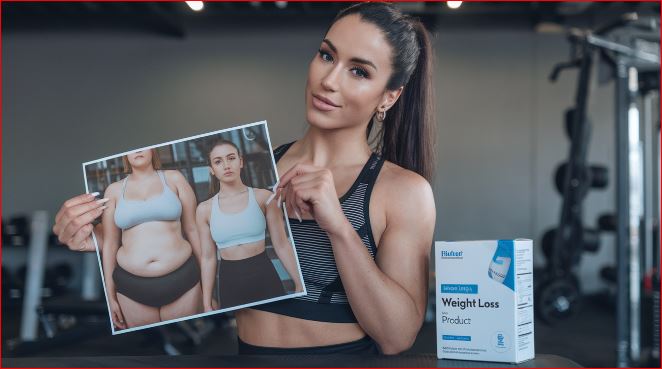
Influencers like that give the whole industry a bad name, and the de-influencing trend aims to call them out.
Economic Reasons for De-influencing
Economic conditions are also a driver of de-influencing. With the post-COVID-19 economic impact still being felt, many consumers are becoming more conscious of how they spend. This is a key driver of de-influencing as it seeks to show products that do not offer value for money. Therefore, it makes sense for social media users to follow reliable social media de-influencers, causing the rise in the popularity of de-influencing.
Differences Between Influencing And De-influencing
The only similarity between influencing and de-influencing is that both aim to influence the users buying decisions. However, there are several differences between the two. These include.
- Rewards vs. reviews. Most influencers usually persuade consumers to buy a product in return for a reward that could be monetary, a free product, exposure, and more. On the other hand, de-influencing usually involves honest reviews of a product or a service while providing alternatives to the products.
- De-influencing empowers consumers to decide rather than follow an influencer’s endorsement or opinion.
- Influencers use word of mouth, storytelling, and social proof to build consumers' trust and credibility. On the other hand, de-influencing uses logic, evidence, or facts to show the product's flaws or disadvantages.
- Influencers aim to show a brand positively, highlighting its features and benefits. On the other hand, de-influencing offers a negative review of the brand by showing drawbacks and limitations.
- Choice of brand. Some influencers don't mind which brand they work with as long as they are paid, even brands with questionable practices. On the other hand, de-influencers are usually cautious and selective in their choice of a brand to work with.
- Impact awareness. Influencer marketing doesn't care much about the environment and social impact. On the other hand, de-influencing aims to reduce overconsumption and to encourage customers to make good choices.
Why Brands Should Be Concerned About De-influencing
One of the questions you may have is: how does all this affect my brand strategy? Will it even affect my bottom line? Here are some reasons why brands should pay attention to de-influencing:
Consumer’s Conscious Buying Decisions
In recent years, consumers have become increasingly conscious about their buying decisions and how they impact the environment. That means they are now searching for sustainable brands even when such brands have higher prices. A 2020 First Insight study found that 90% of Gen X shoppers were willing to spend more on sustainable products, up from 34% two years earlier.
Other statistics indicate that 78% of U.S. consumers want to maintain sustainable standards. Customers increasingly choose products that make social, environmental, and governance-related claims. Studies show that the products recorded a cumulative growth of 28% in the last five years, while products that didn't make such claims recorded an increase of 20%.
The above numbers prove that consumers are concerned about the impact of their buying habits on the environment and are, therefore, making wise choices. It also means that they are paying attention to what de-influencers are doing as they help them access products and brands to make the right buying decision. De-influencing can help grow your business on Instagram.
More Respect for De-influencers
We noted earlier that some influencers don't care about the reputation of the brand they are promoting as long as they are paid. As social media users realize this, they are losing trust in influencers. Additionally, they keep pushing their audience to buy the products they are promoting, irrespective of whether the audience needs those products. At times, the influencers go to the extent of making objectionable claims or lying about how the product works.
In the recent past, many influencers have been exposed for lying about their looks, lifestyles, or health conditions. Others have been reported to be promoting fake products or engaging in fake money-making activities. In 2022, for instance, the SEC charged eight social media influencers over a stock manipulation scheme it said was worth about $100 million.
Cases like these make followers suspect that some influencers care more about the paycheck than about them, and many have lost their audience's trust. While these influencers may have a large following, most of their followers may not follow their recommendations. De-influencers, on the other hand, are often seen as more trustworthy because they aren't selling anything, at least as long as they are open about any brand deals they do have.
Impact Marketing Efforts
De-influencing will impact other marketing efforts, including Instagram marketing. For instance, if you are working with a brand that makes non-clinically proven claims, your brand can easily be flagged by de-influencers. Similarly, if the influencer has a history of making false claims, they will also put your brand under the microscope. This can cause your brand to lose potential clients and may even cause you to lose the customers you have made.
That’s why it is important to take note of de-influencing trends and ensure that your marketing efforts are realigned to reduce any negative impact. Sometimes, you may even have to overhaul your campaign to include the details.
Leverage De-influencing
Unlike what some people think, de-influencing isn't only about bringing brands down. When leveraged, it can help improve your audience’s trust and build a better connection. Start by understanding your brand’s positioning, then partner with relevant de-influencers who trust your brand. Let them keep their honest voice, and make sure any paid post is clearly disclosed. By doing that, you will not only be showing the authentic side of your brand, but it will enable you to build a strong community led by de-influencers.
A Look at the Future of De-influencing
There is no doubt that de-influencing is challenging traditional influencer marketing. However, this will not end it. Brands will likely face the challenge of being more transparent and providing a solution. That way, they are likely to gain from de-influencing. On the other hand, marketers will need to be more strategic and creative to use de-influencers to their advantage and improve their reputation. Brands must also be more respectful and responsive to customers who need a voice and a choice of consumption.
In today’s environmentally conscious world, de-influencers will continue to attack brands that seem to harm the environment. Therefore, brands will need to be more careful about their approach to marketing, including de-influencing. Similarly, customers want trustworthy and authentic brands, and brands will need to offer them that.
How De-influencing Can Contribute to Authentic Marketing
De-influencing is slowly gaining its way into the limelight as a marketing method. This is mostly because brands are being demanded to offer more transparency, credibility, and higher engagement. It is also a good marketing method to help brands show their unique value proposition and stand out from the rest.
De-influencing isn't supposed to be an alternative to influencer marketing; instead, it redefines the influencer marketing approach. The marketing method can be particularly powerful for brands trying to add a level of credibility and trust to their audience. As long as they remain honest and transparent, de-influencing will help you to create an engaging and authentic marketing experience.
While de-influencing disrupts traditional marketing methods that require celebrity endorsement and polished images, it also offers brands a good opportunity to connect with customers on a genuine level. When they embrace de-influencing, businesses can tap into influencers' authentic relationships with followers. This can help to improve trust and engagement.
With de-influencing emphasizing sustainability, it aligns with consumer demands for more responsible business practices. This means businesses have an opportunity to show their commitment to such values. However, to avoid getting trapped in pseudo-authenticity that may damage their reputation and cause them to be accused of greenwashing, businesses should only collaborate with de-influencers who share their values.
Conclusion
Influencer marketing remains a profitable form of marketing, reaching a market value of $24 billion in 2024. However, despite this growth, it can be disingenuous as influencers promote products they don't believe in or which their followers don't believe in. The de-influencing trend aims to shake up the influencer marketing model.
Statistics indicate that it is quickly gaining momentum and such videos have earned millions of views on TikTok and other platforms. Several factors, such as the desire for authenticity, value shift, and social media burnout, have driven this growth. The fact that de-influencers are showing an angle of a product not seen before means they will continue to generate interest.
Therefore, it is up to brands to ensure that they are prioritizing quality and sustainability when manufacturing products to prevent being impacted by de-influencing. You can also read our guide on how to leverage influencer marketing on Instagram.


