
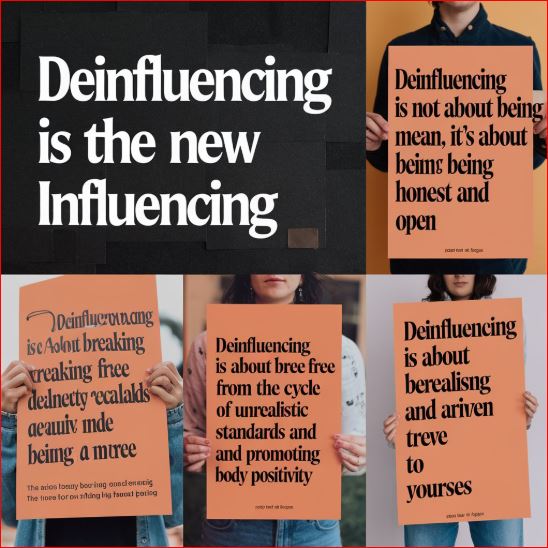
One of the latest trends in influencer marketing is deinfluencing, a movement that was started to address influencer marketing challenges, such as dishonest influencers who are only after their paycheck. Deinfluencing has impacted how brands do influencer marketing. In this article, we will look at the impact of deinfluencing on brand strategies.
Why Deinfluencers Reject Products
While there are many reasons for deinfluencing, some key reasons why influencers may urge their followers not to buy a product include:
- Costing more than it should.
- Being Poorly-made.
- Leading to excess waste in the environment.
- It can cause mental or physical harm.
- Questions about the brand’s ethics.
However, it is important to note that deinfluencing isn't only about rejecting a product. It also seeks to empower consumers, to enable them to make informed choices. Rather than just complaining, deinfluencers also want to educate consumers.
The Origin of the Deinfluencing Industry
Deinfluencing started on TikTok, mainly in the beauty and lifestyle industries. However, deinfluencing now covers more and is on all social media platforms. You will find deinfluencers on Facebook, Instagram, YouTube, and other social media sites.
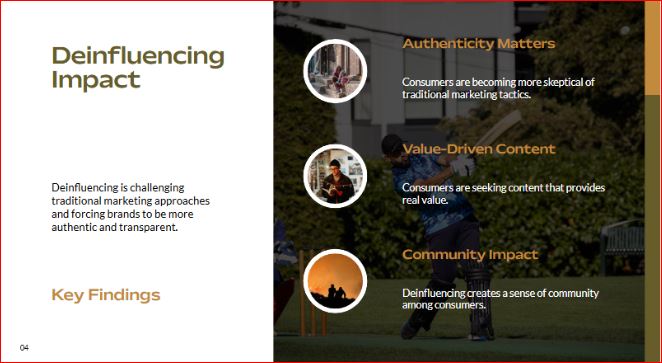
This trend aims to counter the growing causes of commercialism and lack of authenticity, often associated with influencer marketing content. Most of the deinfluencers also started as influencers.
Reasons For the Popularity of Deinfluencing
The main reason deinfluencing has become popular is the skepticism around influencer marketing. With most consumers realizing that many people are getting paid to promote products that aren't even necessary, the trust that influencer marketers have built in the past is reducing.
On the other hand, people want influencers who are authentic and transparent. Thus, a deinfluencer is also a kind of influencer. Nowadays, people are also considering the impact of consumerism on the environment and are choosing products or services that address that concern, as deinfluencing also counters consumerism.
Another common deinfluencing trend is when product users on TikTok make videos explaining their experience with a product or service. Others make videos criticizing a product or a service while recommending a better alternative. Many of these videos are going viral on TikTok, leading to the popularity of deinfluencing.
The impact of Deinfluencing on Brand Marketing Strategies
One of the common concerns about deinfluencing is whether it will bring influencer marketing to an end. It's important to clarify that both have their places in the business marketing landscape. However, all brands and businesses must consider ways to provide better solutions and transparency.
Another impact on brands is that they must be strategic and creative when searching for an influencer or deinfluencer to market their products or services and build their reputation. It's also important for brands to be more respectful and responsive to consumers who want their voices heard.
With rising concerns over environmental issues and ethical considerations when buying products or services from certain companies, brands need to rethink their approaches and include deinfluencers in their marketing strategies. However, they don't need to reinvent the wheel when doing that.
As noted earlier, today's consumers search for trustworthy and authentic information, and brands and marketers need to provide them with that. This is a trend we are likely to see going forward. By embracing deinfluencing, you can increase your credibility and trust. You can also increase engagement and transparency to get better long-term results. Incorporating deinfluencing into your marketing strategy can set you apart from your competitors.
While that doesn't mean you need to do away with influencer marketing, you can use deinfluencing in combination with influencer marketing. That’s especially the case with brands that want to build a transparent and honest relationship with their audience.
Is Deinfluencing a Threat to Brands?
Many TikTok users say the app makes them buy things on impulse. That means it is a good idea for brands to invest in TikTok marketing. However, brands should remember that deinfluencing breaks down the positive brand image they work hard to build on both centralized and decentralized social media networks. If a deinfluencer decides to post negatively concerning your brand, it can leave a negative impression on the brand.
What Brands Can Do to Deal with Deinfluencing
First, brands need a strategy for handling negative reviews. If one of their negative reviews goes viral, they must decide how to handle the crisis. They should treat the situation with some concern, as their brands will remain in most consumers' minds.
Brands need to understand that negative reviews can happen and should respond positively to them. In most cases, negative reviews get more attention than positive ones. It is also important to remember that not all people who use your product will like it. Therefore, when you get negative reviews, use them to improve your products and services.
Brands need to ensure that their influencer marketing methods are above board. They should only contract influencers whose voices and values align with theirs. The creators they choose should also love their products. If they pick influencers who don't, this can result in false reviews that can negatively impact their brand.
In Conclusion
There is no denying that deinfluencing is here with us. Brands should, therefore, align their marketing strategies to meet this new dawn. If you are wondering how to market your products amid the deinfluencing revolution, our guide will help you do that. You can read our guide on top AI tools for social media management.


