
Decentralized social media networks (DSN) are redefining social media use. Unlike centralized social media platforms owned by large corporations, DSNs consist of several interconnected platforms that use open protocols such as Diaspora and ActivityPub to communicate with one another. That means users on different decentralized platforms can communicate with one another.
Decentralized social networking (DSN) platforms are usually ads-free, community-owned, and decentralized, consisting of servers, protocols, and users needing cross-platform communication. With the interoperability of different DSN platforms, a question has arisen if this is the future. In this article, we answer this question based on predictions.
What is the Fediverse, and How Does it Operate?
Also known as fedi, the fediverse is a network of social media platforms that communicate with each other using a common protocol. That means they enable users of different platforms to send and get status updates and multimedia files across other networks. As free and open-source software, many fediverse platforms use the ActivityPub protocol to connect between servers.
All the fediverse platforms operate independently, enabling communities to thrive within their rules and moderation practices. With decentralization, users are given greater control of their online presence and data, minimizing the risk of exploitation and censorship. Decentralization aims to build a social future without relying on Facebook, TikTok, or X. It also allows cross-platform communication without creating an account for each platform. An excellent example of the fediverse is how emails operate, allowing messages to be sent between different email providers.
Why Decentralized Social Media Platforms Are Becoming Popular
Those who argue for the case of decentralized platforms do so because of their many advantages, which overcome the limitations of traditional social media platforms. These include:
- Data privacy and ownership. DSN gives users better control over their data, allowing them to decide what to share and with whom. This is unlike the centralized platforms that monetize the user's data.
- Resistance to censorship. Since decentralized social media platforms don't have a central authority that dictates the content rules, decentralized platforms make censorship much harder. This means they can be essential in jurisdictions where regimes restrict content.
- Community governance. If decisions are made on changes with the platforms and policies, the entire community must ensure a democratic process. This is unlike centralized communities that use a top-down approach.
The Challenges of Decentralised Social Media Platforms
While decentralized social media has benefits, such as fostering greater user privacy and autonomy, it also has challenges. One of these is moderation and governance issues. Traditional social media sites have centralized responsibilities for enforcing and setting community guidelines.
Since decentralized social media platforms have no central authority, it is hard for them to deal with some challenging issues, such as hate speech, misinformation, and harassment. Additionally, the issue of usability and scalability remains a concern. Since DSN uses complex technologies and protocols, it can be challenging for the average user to navigate. By improving scalability, these tools can ensure a seamless user experience, resulting in a more significant adoption of the decentralized social media platforms.
How Creators Will Be Affected By Decentralized Social Networks
Creators will be among the most prominent groups affected by DSN as it offers them more autonomy regarding content and communities. When social media networking infrastructures are decentralized, creators are no longer bound by an organization's algorithm and rules. Instead, they can choose from different platforms catering to various audiences and niches without worrying about algorithm updates and arbitrary censorship.
The result is a more inclusive and diverse ecosystem that reduces the risk of getting de-platformed or demonetized, a common issue creators have faced. The DSN allows creators to post content that appears on different platforms. This means creators don't need to spend much time and effort cross-posting, and it also makes it easy for creators to make money on social media.
Because posts can travel across many servers and apps, creators aren't tied to one company's reach rules. Creators can, therefore, focus more on creating content instead of trying to determine the constantly changing standards associated with the social media algorithm.
DSN provides an enormous opportunity for creators who need a sustainable income source. While the centralized platforms rely heavily on the algorithm's recommendations and advertising revenue, DSN allows creators to experiment with different revenue streams, such as subscriptions, direct patronage, and crowdfunding.
By leveraging the decentralized payment system, creators can avoid intermediaries and retain a large share of earnings. This can ensure an equitable wealth distribution of the creator economy.
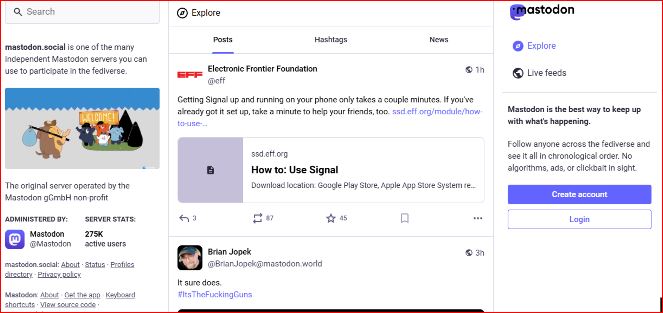
The Future of Decentralized Social Media
Social media experts suggest that DSN has a bright future, considering it can create a space for users and brands looking for an alternative to the traditional social media network. A good example was the turmoil at Twitter after its 2022 takeover, when many creators who had spent years building an audience there saw their reach and income drop.
The news that TikTok could be banned also raises concerns about over relying on fragmented communities on social media for marketing businesses. With the possibility of a more decentralized future, the DSN may have a more prominent role in the social media landscape. However, with the limitation of decentralized social media platforms, centralized social media platforms still have their place. This is mainly for brands that want to protect their names from online harassment.
Conclusion
Decentralized social media platforms are redefining social media. They promise users more freedom and data privacy, which are some of the reasons of concern for users of other platforms. This has led to the popularity of platforms such as Bluesky. After the 2024 U.S. election, Bluesky gained up to a million users a day at its peak and passed 20 million users in November 2024. Our article on exploring Bluesky looks at why. That growth shows interest in decentralized social media is rising.


