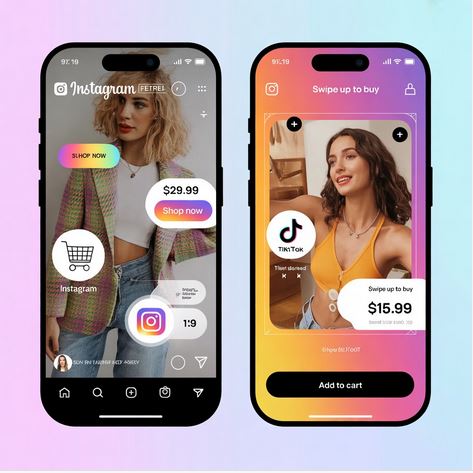
With microtrends becoming big on social media, it seems impossible to avoid consumerism. Hashtags such as #TikTokMadeMeBuyIt have pushed social media users to spend on items they hardly need, and plenty of people admit they bought something just because it was all over their feed.
However, in recent years, many social media users have been thinking twice before buying items advertised by influencers. This results from the popularity of hashtags such as #Deinfluencing, which now has over 1 billion TikTok views. This can be attributed to the user-led intervention where de-influencers discourage users from buying what they consider overhyped products and a departure from the so-common promotional posts.
So, is de-influencing the antidote to influencer marketing's unchecked consumerism, or is it another marketing ploy? This article will review why de-influencers are gaining much traction on platforms like TikTok.
The Origin of De-influencing
De-influencing is a fast-rising social media trend in which prominent personalities purport to educate users on why they should stop indulging in products they don't need. One of the first viral examples came in January 2023, when a TikTok creator told viewers “I’m here to de-influence you” and listed trendy devices, accessories and books they didn't need.
The list included the Dyson Airwrap, Ugg minis, the Stanley Cup and AirPods Max. Other TikTokers soon reused the audio, and the trend spread to other social media platforms.
De-influencers are still influencers who seek to change your spending habits. However, instead of encouraging you to buy products, they seek to dissuade you from buying what they believe you shouldn't. This could be for several reasons, such as the product being overpriced, potentially harmful, or non-environmentally friendly. They have, therefore, carved out a unique influencer marketing niche that focuses on subjectivity and more credibility, which is a departure from creators endorsing brand deals.
The Impact of De-influencing on Brands
If influencer marketing has been part of your Instagram marketing strategy, then de-influencing will present a key challenge for you. This is because you may find influencers criticizing your brand, damaging its credibility and sales. This is on top of the fact that negative reviews can quickly go viral, thereby damaging your brand's reputation.
However, this does not mean that de-influencing is a threat. Instead, brands need to be more transparent and authentic in their influencer marketing methods. The trend can, therefore, impact brands that need to build stronger and long-term relationships. Here are ways that brands can leverage de-influencing:
- Need for authenticity. Nowadays, social media users are more interested in authentic content and trust influencers who provide honest product reviews. Therefore, don't just focus on finding an influencer because of their reach. Instead, brands should find an influencer whose personal brand aligns with their values.
- Focus on value instead of hype. Brands must focus on showing their products or services' value instead of relying on hype or viral trends. When you show the benefits of your products and provide strong user reviews, the chances of getting attacked by de-influencers are low.
- Be transparent. The era when well-polished influencer campaigns were the in-thing is gone. Nowadays, customers are looking for honest and transparent feedback on a product's performance, ethical sourcing, and pricing strategies for brand loyalty. If brands show vulnerability and address concerns promptly, this may shield them from the influencing movement.
When well used, de-influencing can help grow your Instagram account.
The 3 Categories of De-influencing
While de-influencing started with interest in genuine content, sustainability, and a fightback against the hyping of products, in the recent past, there have been changes in how de-influencing is done. Most of it can be categorized into:
Controversialists
Rather than providing genuine opinions, some de-influencers are now focusing on views arising from negativity. At times, they use clickbait to attract views and engagement from people who don't agree with the products. However, there are some risks associated with being a controversialist. For instance, brands will rarely give sponsorship deals to influencers who have spoken negatively about them.
Genuine Reviews
Unlike controversialists, who aim to stir their audience to increase engagement, genuine reviews show a product's positive and negative sides. They often highlight its downside but review how well the product works and whether it is worth the money.
On top of the product reviews, de-influencers also work with a de-influencing lifestyle. They help people not to feel bad because they do not have the perfect home or the latest fashion or don’t go on holiday. In an online world where so many people show a polished version of their life, they provide a good dose of reality.
Genuine reviews are good for businesses, too. If your business sells a high-quality product, a review from a famous personality can boost it. When flaws are highlighted, your brand is offered an opportunity to show its authentic side. It also gives the business room to improve. However, brands should approach these sponsorship deals cautiously because they can be a two-edged sword, and any paid review still needs a clear disclosure. When de-influencers talk about the negative side of a brand,it can discourage some users from buying.
Advocates for Sustainability
Some de-influencers are focusing on spreading the message that it is not okay to buy products just because they are trendy, as this will negatively impact the environment. In most cases, sustainability advocates will fit into one of the other two categories as they can choose to be balanced in their review or outrightly attack a particular brand.
Conclusion
De-influencers have impacted how influencing is done. Instead of only showing the positive side of a product, they are providing social media users with the negative side, too. This means they provide users with honest and authentic content that gains much traction on social media. This is why de-influencing is one of the biggest social media trends of recent years. Therefore, brands focusing on influencer marketing must include de-influencers in their Instagram content marketing tips.