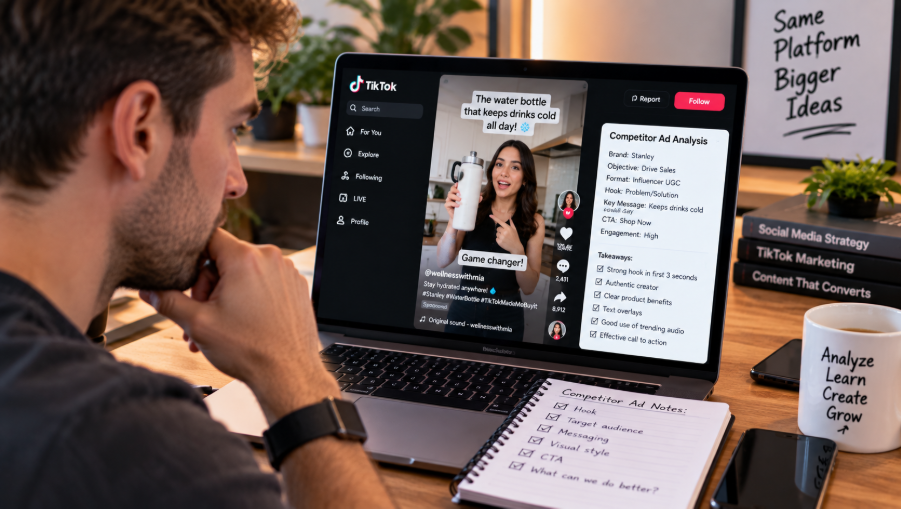
TikTok can be a hard platform to master. There is always a new trend to catch up with, more content to create, and new challenges to join. In this fast-changing world of social media, one of the ways of keeping up is through competitor analysis on TikTok.
However, with TikTok giving the same chance for visibility to all accounts irrespective of the follower count, you cannot afford to do a competitor analysis as you do on other social media platforms. That's why in this article, we provide you with some of the best practices to follow when doing a TikTok social media analysis.
What Best Practices Should You Follow in Competitor Analysis on TikTok?
When conducting competitor analysis on TikTok, make sure you follow these best practices:
Consider Engagement Instead of Follower Count
On TikTok, the engagement rate usually has a higher weight compared to the follower count. Therefore, when reviewing your competitor account, you should focus more on the comments, saves, and shares, as these are a better reflection of how connected the audience is.
Some of the major metrics to track are:
- Comments for each video. This can be a good illustration of the effectiveness of the competitors in sparking conversion. Instead of just counting the number of comments, it's important to consider the quality of the comments. Do people ask questions about the product, drop emojis, or share personal stories? If they are leaving some thoughtful comments, it can be a sign of a better connection with audiences. You can then use the social media comments to drive engagement.
- Share rate. This can be an important metric worth watching. If people are sharing your competitor's content, it shows the content is providing them with real value, making it more likely to be recommended in the TikTok recommendation system. You need to track which competitor is getting the most shares and why the videos are highly shareable.
- Save rate. This is a good metric that reflects people's intention to revisit your competitor's content, either to learn something or to purchase.
- Video completion rate. Since this data isn't shared publicly, it can be trickier to track. However, look at it by looking at the comments referring to the video end or responding to the CTA.
While looking at the engagement metric, also observe the timing, as when competitors get most of their engagement helps you notice the best window for sharing your brand voice. The engagement metric can be useful in analyzing how audiences connect with your competitor’s video.
Categorize Your Competitors
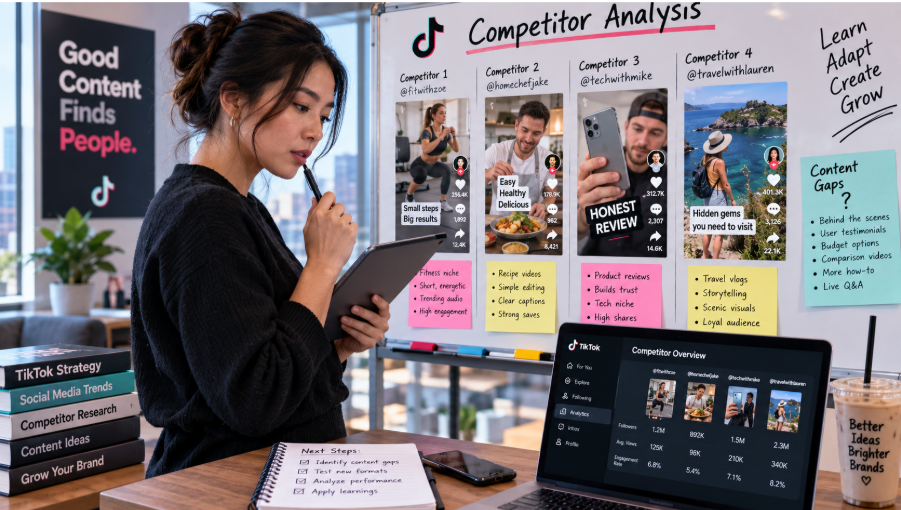
Another best practice when conducting a competitor analysis on TikTok is to categorize your competitors by various methods, such as:
Audience Size
You can sort the competitors by their audience size, such as:
- Micro-influencers (with less than 10K followers).
- Mid-tier (100K to 1M followers).
- Mega-influencers (with over 1M followers).
Content Style
You can also group the competitors according to the kind of content they create, such as educational, polished, user-generated, or entertaining. Consider also the business goals they aim to reach, such as direct sales or brand awareness. This will enable you to determine if there is a difference in the strategy.
Geography Focus
You want to focus on influencers who are located in your geographical area. Otherwise, if you focus on accounts targeting other regions or an international audience, they may not provide you with a clear picture.
Performance Metrics
Pay attention to how your competitors are performing. You can pay attention to their engagement rates, follower count, and posting frequency. Make sure you update this monthly to stay abreast of the changing trends and competitor landscape.
Analyze Content Format and Themes
Content formats and themes can provide insights into the kind of content that resonates with the competitor's target audience. You need to pay attention to their most popular videos to see if they are creating educational videos, BTS content, or UGC. When you continue studying these themes, you can see trends and whether there is a shift in audience preferences.
Check the video formats to see whether your competitors are relying on single-take video, quick edits, or longer video storytelling formats. Check if they are adding captions, text overlays, and effects, as these strategies provide insights into their content strategy.
Analyze the Strategy
Consider the trending sounds that they use and how quickly they can adapt to trending sounds. Are they using trending sounds, or are they sticking with original sounds? Many great brands usually combine original sounds for brand identity and trending audio to ensure a bigger reach.
Use of TikTok Features
The use of features such as effects, duets, and stitches can provide insights into competitors’ understanding of the platform. By using these features, competitors are able to increase their engagement. Therefore, pay attention to their brand collaborations and use of UGC through Duets or by using stitches to join trending conversations.
Posting Patterns
Pay attention to more than what they post, and consider whether there is diversity in their content. For instance, do they post the same video regularly or mix different video formats on different days of the week? For instance, some brands usually go ahead and allocate a theme for a particular day, such as BTS Monday or Tutorial Thursday.
Hashtag Strategy
You also need to pay attention to the brand hashtag strategy to determine how brands balance between trending hashtags and branded ones. Are they creating hashtags that are specific to a campaign, and are they encouraging their audience’s participation? When these insights become part of your content strategy, they can show how the brands will add commerce to their TikTok strategy.
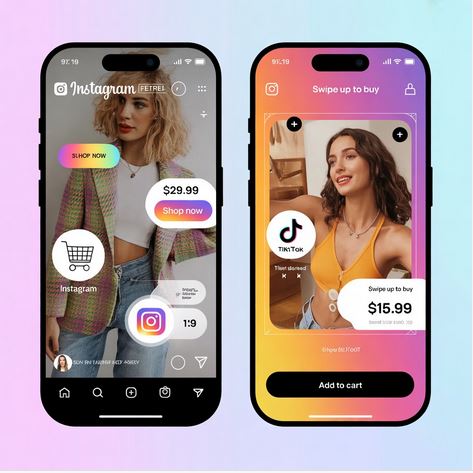
Review Competitor Integration of TikTok Shop Features
Check how they are ensuring integration of TikTok Shop features in their content strategy. Pay attention to their organization of the product collections and how they showcase their items under the shop tab. Do they use features such as limited-time discounts or flash sales? How are they displaying their product images, pricing, and descriptions?
Product Tagging
You need to pay attention to how competitors naturally tag products in their videos. Are they doing it naturally in a way that doesn't feel forced?
Check Live Shopping
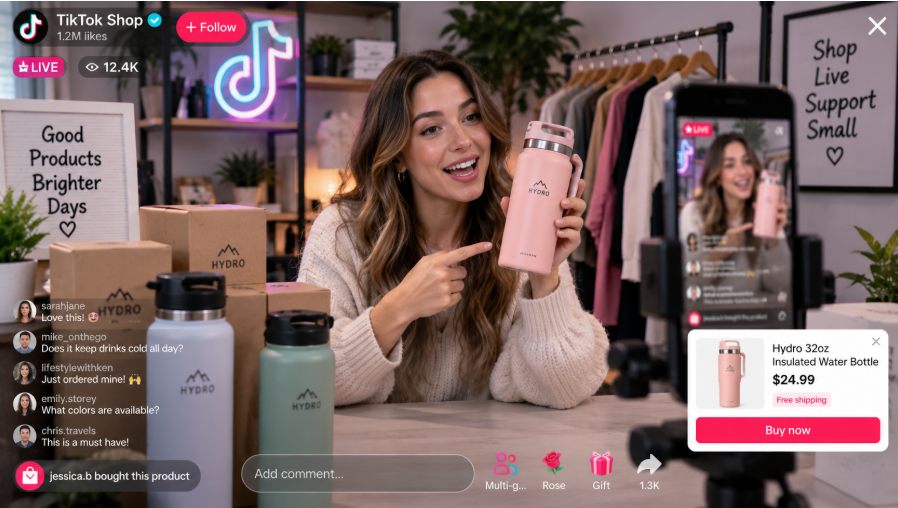
Check their live shopping strategy. How often do they go live, and at what time? How are their live sessions structured, and what products do they feature during them? Do they boost sales with deals for the live sessions?
Shoppable Links
It's essential to observe how competitors use links to direct their followers to their landing pages. Are the competitors including shoppable URLs in their videos and bios to drive traffic? Do the links keep on changing depending on the current campaign, or do the links to their best seller work better?
Creator Partnership
Check how the competitors are collaborating with influencers to drive sales. What category of influencers are they using? Are they using micro-influencers, mega-influencers, or both? How do they structure their partnership? Are they showcasing products, adding affiliate links, or sharing some discount codes?
Integration Between Different Platforms
Check how competitors are integrating TikTok Shop with other platforms such as Shopify, Facebook Shop, or even their websites. This will provide a good overview of the competitor's strategy.
Lessons From Competitor Successes and Failures
Here are some lessons to study from competitor analysis:
Best-Performing Videos
By paying attention to competitors' successes and failures, you can better understand their strategies that work and the ones that don't. Remember that the best-performing content isn't only the one that generates views. You need to analyze more deeply to find out why that content brought in views. Did they use some trending audio, or is it about the time the video went live? Did the successful content share a relatable theme, or was it very well polished? Make sure you understand the different elements driving engagement.
Poor-Performing Videos
There are also some great lessons you can learn from the competitor’s poor-performing video. The most important thing would be to check for patterns that explain why the video may not have worked. Was it poorly timed, off-brand, or did it not align with a trending topic? The metric can offer insight into the preferences of your audience.
Comment Analysis
This can provide insights into your viewers’ direct feedback. Make sure you read through the comments for both the successful and unsuccessful videos. What is it that people loved, and what didn't work for them? Check for recurring themes to help guide your content strategy.
Seasonal Content Performance
Some videos may perform well only for certain seasons, and therefore, it can help to track the performance of the content. Check how competitors change their commercial and content strategy during holidays, major events, and seasons. This can provide insights into better planning of your seasonal content.
Crisis Management
When they get a social media crisis, how do the competitors handle it? Do they have a strategy for dealing with controversy, negative feedback, or changes in the algorithm? How they respond can provide insights into how you can also navigate through such challenges.
Innovation Attempts
How well are they focusing their effort on innovation? Even if they don't succeed immediately, they can provide some important clues about the features and trends you should consider exploring.
In Conclusion
Competitor analysis can provide important insights into competitor strategies that are working. You can then implement them to ensure you perform better than the competitor. Therefore, make sure you follow the above best practices for your competitor analysis on TikTok. This will provide the desired result, especially when combined with a data-driven social media strategy.