
We are living in an era when social media platforms are more crowded than ever before. Additionally, with ever-shifting algorithms and changing user needs, creating outstanding content won't be enough. You need to leverage social media analytics for your growth.
When you choose to work with data, you eliminate any form of guesswork and instead use a more grounded social media strategy. That means you need to create a data-driven social media strategy. In this article, we guide you on how to do that.

The Role of a Data-Driven Social Media Strategy
A data-driven social media strategy uses insights to inform your social media presence. It involves the use of data to determine a few things, such as:
- The kind of content that resonates with your target audience.
- Whether you are posting too little or too much.
- If the platform is worth your time and effort.
When properly done, a data-driven social media strategy can enable you to refine your strategy and help businesses understand their target audience, thereby increasing engagement and brand awareness. By using insights from social media analytics, you can create highly personalized campaigns that resonate with your target audience.
Analyzing the data from the social media platforms can enable creators to better understand their audience’s preferences and behaviors. This means they can adjust their campaigns in real-time, driving engagement and improving resource efficiency.
When you incorporate detailed analytics, it becomes easier for your brand to make more informed decisions, optimizing your marketing strategies for better performance. You can use these metrics to improve your campaigns, resulting in a stronger connection with audiences and a more detailed presence on social media.
How to Develop a Data-Driven Social Media Strategy
As noted earlier, a data-driven social media strategy involves creating and leveraging data to optimize engagement and improve results. This approach leverages social media analytics to enhance content and personalize user experience through user-generated content.
Here are the key steps to follow when using data for your social media strategy:
Understand Your Target Audience
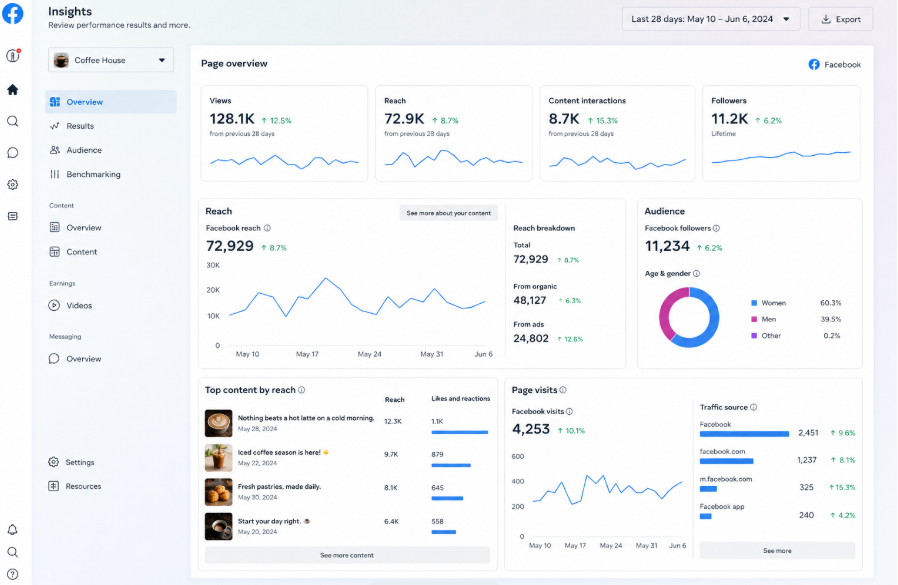
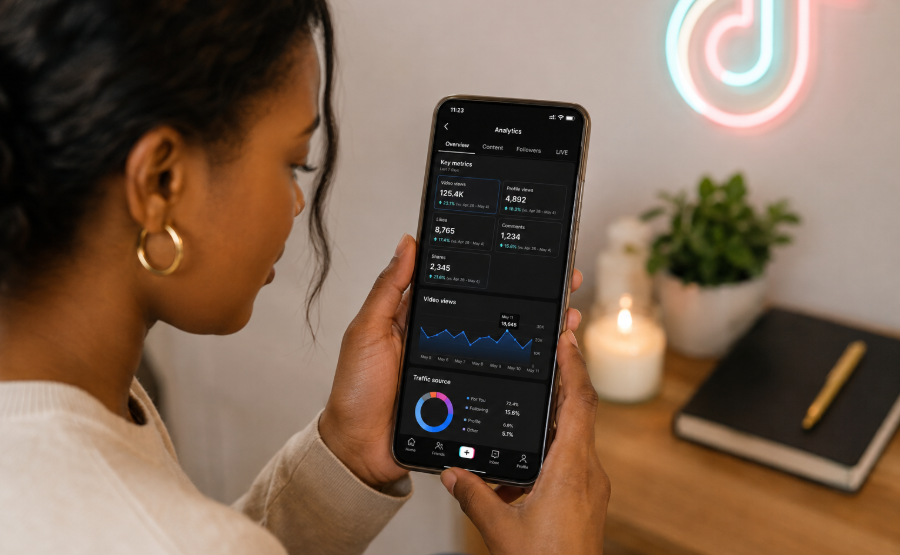
You need to begin by understanding your audience’s persona. You can get important details about your social media audience by looking at the built-in analytics of top platforms, such as YouTube Analytics, Meta Insights, or the TikTok Creator Center.
These tools can provide important insights into questions about:
- Who's engaging with your target audience?
- What time of day are they more active?
- What kind of social media content do they share, save, or comment on more?
Pay attention to the unique behaviors across different social media platforms so you can tailor your content approach to your content strategy. Take time to read the comments, the ends of your social media audience, their DM messages, and more.
Determine Your Goal
Unless you are clear about your social media goals, it can be hard to achieve the desired results. Some of the goals you may have include:
- Driving website traffic.
- Increasing the sales of a product.
- Driving brand awareness in a particular market.
What you track will define the level of success you are likely to achieve. For instance, if you want to drive brand awareness, focus on impressions, reach, and shareability.
Choose the Right Social Media Platforms
A common mistake creators make is assuming that the more social media platforms they are on, the better it is for them. However, more isn't always better. You need to focus more on the platforms that are bringing better results. For instance, you might notice that most of your engagement is happening on Instagram Stories while X Threads don't seem to work. That means your focus should be more on Instagram.
When choosing the right social media platform, consider your business goals and social media audience to ensure the strategy focuses on what really matters. However, there are a few guidelines that will provide insights on the platform to focus on:
- If you are a B2B brand, you can focus on YouTube and LinkedIn.
- Instagram and TikTok are a great choice for fashion and e-commerce brands.
- If your brand is focusing on Gen Z, TikTok is a great choice.
Create Content for Different Platforms
As you may already know, each platform has its own content format and requirements. That means the kind of content that will work on Instagram isn't the same as on X. It also means you should create a content strategy to ensure that your content aligns with the unique needs and goals of each platform.
Determine the needs and expectations of different audiences. You can use the data to determine how you should pivot.
Optimize Your Posting Schedule
You should dig into your social media analytics to determine:
- Which posts are the best performing on which day of the week?
- Whether morning or evening is more suitable for posting.
- Whether content posted on weekends tends to perform better.
No matter which posting schedule you need to choose, be sure to stay consistent. You'd better post three times a week than create spam content daily but randomly. Maintain a consistent voice across posts to increase brand trust and recognition.
Check the Social Media Analytics
Understanding social media analytics is important for analyzing consumer data and improving the effectiveness of your social media campaigns. Using tools like Google Analytics, you can track KPIs such as engagement rates and impressions across social media platforms like Instagram, Facebook, and X.
Through data analysis, you can identify key trends in user interactions, enabling you to make your marketing more targeted. Through regular analysis and adjustments, you can achieve optimal ROI from your social media campaigns, driving higher satisfaction.
Personalize Your Post
Based on the data you got earlier, you can now personalize your content to drive engagement. You can analyze the user behavior and demographics to create messages tailored to individual preferences. Personalized messages are a great way of increasing engagement on Facebook and other platforms like Instagram and LinkedIn. This can be a good way of driving consumer trust, increasing brand loyalty, and enabling consumers to better understand your brand.
Leverage User-Generated Content
User-generated content can be a great strategy for ensuring an authentic connection with your target audience. When you encourage consumers to share your brand content on platforms like Facebook and TikTok, you can increase your trust and credibility. This can also increase engagement and reach, making it a great asset for brands that want to focus on consumer engagement. Additionally, when you showcase your consumer voices, you can enhance your brand perception and drive customer loyalty.
Track and Optimize Your Campaigns
A successful social media marketing campaign uses data to measure and optimize different aspects of a campaign. This can involve tracking important metrics such as the conversion rate and CTR to stay ahead of market trends and ensuring the ethical use of data to maintain the trust of your audience.
Conversion Metrics Evaluation
If you want to gauge the effectiveness of your campaign, you need to pay attention to the conversion metrics like the click-through rate and conversion rate. Tracking these metrics can provide insights into the campaign that best resonates with your target audience. This can improve the performance of your campaign and lead to more sales and engagement. You can use sentiment analysis to interpret the feelings of consumers toward your brand and get a better understanding of the impact of the campaign, providing deeper insight into the impact of the campaign.
Market Trends Adaptation
If you want to get a competitive edge, you need to keep adapting to the market trends. Digital transformation can ensure that your brand remains responsive and current. Through the use of AI-powered trend analysis, you can get insights into the changing customer behaviors and preferences.
Conduct a regular social media audit to reveal the improvement areas while ensuring that these align with your latest trends. You can then change your campaign to ensure they are effective and relevant. Having such a proactive strategy ensures you are managing your brand better and that you have a more robust marketing strategy.
Use Data Ethically
If you want to maintain the trust of consumers, you need to use data ethically. Make sure the data is detailed, and security is handled with the necessary care. Through ethical standards and guidelines in data gathering, it becomes easier to drive a good relationship between a brand and its audience.
Transparency when collecting data and ensuring clear communication is important. If your brand prioritizes its consumers' data privacy concerns and makes its data usage policy clear, you can grow the level of trust consumers have and improve the chances of success, as it safeguards your reputation.
In Conclusion
The fact that you need to develop a data-driven social media strategy doesn't mean you will become a data scientist in one night. Instead, it means you need to stop using guesswork in your social media strategy. Through a good data-driven social media strategy, you can see results in your campaigns.


