

In recent years, the content moderation policies of mainstream social media platforms have come under much scrutiny. This has led to the development of decentralized social media platforms, which handle content moderation very differently because no single company is in charge. In this article, we look at the impact of decentralized platforms on content moderation and why this may be the future of social media.

What is Content Moderation?
Content moderation ensures that the content uploaded to a platform meets its standards. That means the content is monitored to determine if there are any rules on the platform it is breaking. Traditionally, content deemed to break a platform's rules is removed in a centralized platform. Content moderation can involve several steps on a platform. These are:
- Creating the platform rules.
- Deciding the content to allow on the platform.
- Deciding who can share content
- Determining content submission to provide time for moderators to view the content.
- Moderating the content 24/7.
Content moderation aims to ensure that users see the kind of content they would like to see while avoiding content that they deem unsuitable. However, despite its good intentions, many social media users still find content moderation controlling and intrusive.
Importance of Content Moderation in Social Media
Harmful content is risky to social media users. For instance, cyberbullying can cause psychological issues such as depression and anxiety. On the other hand, harassment causes a hostile environment. Content moderation ensures that harmful content doesn't spread on social media. It protects users while maintaining the digital community’s integrity. Some of the content that needs moderation includes:
Hate Speech
Hate speech involves the use of discrimination and violence against a person or a group based on their nationality, gender, or race. Many centralized social media platforms implement moderation services to reduce hate speech, hostility, and conflict among users.
Misinformation
Misinformation can be dangerous to public safety and health. Many social media platforms moderate sources that spread false or misleading information and can influence health behaviors, public opinions, or electoral outcomes.
Explicit Content
Many people have access to social media including some who are underage. This is why sexually explicit content or graphic content is removed from social media as it is considered inappropriate for young minds. If explicit content isn't moderated on social media, it can desensitize users resulting in unsafe environments.
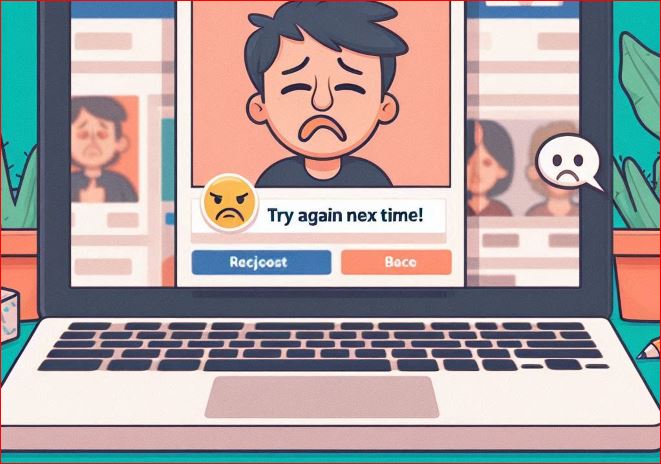
The Impact of Decentralized Platforms on Content Moderation
With the many benefits of content moderation, one of the questions that remains in the minds of social media users is decentralization. How does it operate without moderation? Can a system without a central network help with moderation? The truth is that decentralized platforms are also moderated.
The only difference is that the platform's community determines the rules. However, enforcing rules is still challenging, as no set authority exists. Instead, the platforms have implemented tools to enable content moderation.
Third-Party Tools Used for Content Moderation in Decentralized Social Networks
Here are ways in which decentralized platforms moderate content:
Use of API
Many decentralized platforms let server admins plug in outside moderation tools through an Application Programming Interface (API). On Mastodon, for example, admins share blocklists of servers known for spam or harassment and use add-on tools to review reports.
Machine Learning and AI Tool
DSN is now leveraging AI and machine learning tools to moderate content. This can also be seen on centralized platforms such as Instagram, Twitter, or Facebook. AI enables the moderation of large volumes of data, making it faster and more cost-efficient than humans. It can also help the social media algorithm in deciding the audience for ads on social media marketing.
Community Moderations
Another common way of moderating content on DSN is by relying on the community to uphold the community standards. Users of a decentralized platform are usually informed of the platform's expectations in advance. They enjoy more freedom than on most big platforms, but the downside is that spam and harassment can slip through more easily.
That's why the community in a decentralized platform should be encouraged to be kind, all-inclusive, and united when something is flagged as offensive.
How Lack of Proper Moderation in Decentralized Platforms Affect Brands
With decentralized platforms having limited or no moderation, one of the questions that arises in the minds of many users is the safety for brands aiming to do social media marketing. If a brand is experiencing negative comments, this can harm it leading to its destruction. If a platform has no proper moderation, it can be harmful for brands. Since brands usually connect with millions of users, there may be harmful content if this is not checked.
However, this doesn't mean that brands should not use decentralized platforms. It's important for them to join platforms that ensure some level of moderation. If a brand isn't concerned about negative attention or requires a lot of freedom with no censorship, they can go with the decentralized platforms.
The most important thing is for brands to decide which platform they are more comfortable with. Brands should, therefore, consider the platforms they use and whether moderation works in their favor or not.
Conclusion
Decentralized social media platforms have affected how content moderation is done in the leading social media platforms. With lighter, community-led moderation, they offer users more freedom of speech. However, moderation also has its benefits as it prevents online abuse and harassment. It's up to brands to decide if content moderation is in their best interests. You can also read our guide on how to create engaging content on social media.


