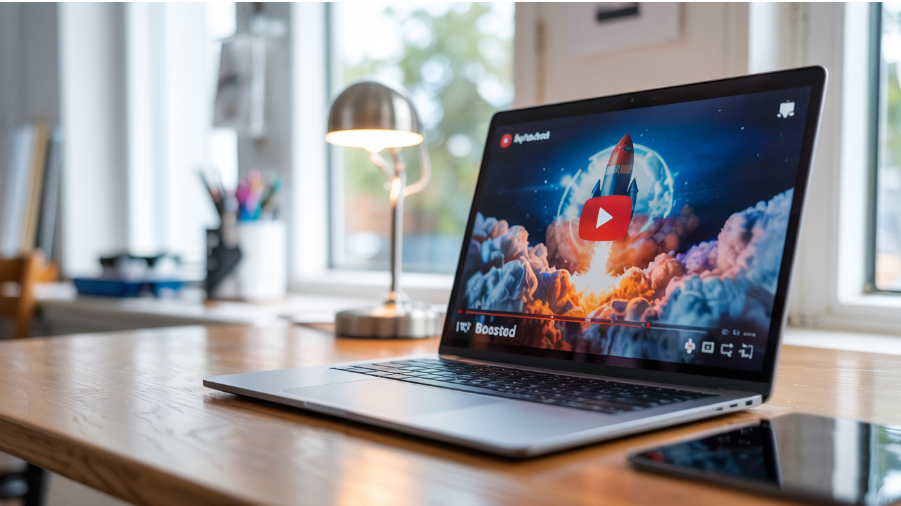
YouTube gives creators two ways to turn a video into an event: Premieres and Live. They sound similar, and both come with a live chat, but they work quite differently.
A Premiere is a pre-recorded video that debuts at a set time, so you keep full control over the edit while your audience watches together and chats. A live stream happens in real time, with no edit and plenty of back-and-forth. Either way, the video keeps its view count afterwards, and Subscriberz offers YouTube video views if you want to raise it.
Below we compare the two, look at what each one is good for, and explain how musicians, teachers, small businesses and other creators can use them.

Understanding What YouTube Premieres is All About
A Premiere looks like a scheduled upload at first, but it works more like a launch. When you set a video as a Premiere, YouTube creates a public watch page right away. Viewers can set a reminder, and when the time comes, a short countdown plays before the video starts with a live chat running alongside it.
Because the video is finished, you control the editing, graphics and sound. The chat still gives it the feel of a shared moment, and you can join in yourself to answer questions.
That makes Premieres a good fit for a music video, the first episode of a series or a big announcement, where you want people to show up at the same time.
What is So Special About YouTube Live?
A live stream is all about the moment. Nothing is edited, and what you say goes out as it happens.
That suits creators who enjoy reacting to their audience. You can read comments, answer questions and change direction based on what viewers ask for.
If your channel is in the YouTube Partner Program, viewers can support you during a stream with Super Chat and Super Stickers, and you can promote channel memberships.
Live works best for things that happen in real time: Q&As, unboxings, reaction streams, tutorials or quick responses to news. Part of the appeal is that nobody knows exactly how it will go.
How Audiences Behave in Each Format
Premieres attract an appointment audience. These viewers saw the announcement, set a reminder and usually watch from start to finish.
Live audiences are more mixed. Your regulars show up, but many viewers arrive from a notification or a recommendation partway through, and some only stay a few minutes.
If you want long, open-ended interaction, Live is the better choice.
For a product launch, a performance or a polished first look, a Premiere gives you more control over how it lands.
When to Choose a Premiere
Think of a Premiere as a release party for content you've already finished. It works well for:
Product launches. If you're releasing a new app, tool or merch line, a Premiere can walk viewers through it while they ask questions in the chat.
Music videos and short films. The countdown and shared chat make it feel like opening night.
Series openers and special episodes. A Premiere helps you present the first episode of a series as a bigger moment.
Sponsored videos. A Premiere can give a brand partnership more attention. Turn on YouTube's paid promotion setting and say clearly in the video that it's sponsored, as the FTC requires.
After the Premiere ends, the video stays on your channel like any other upload, with the chat replay attached.
When to Go Live
Go live when the content is spontaneous or depends on audience input. There's no safety net, and that's part of the appeal.
Viewers get an unfiltered look at you and your process, which works well for AMAs, behind-the-scenes sessions and casual hangouts.
An artist streaming a studio session or a trainer running a live workshop gets instant feedback. Businesses can use live streams for product demos and customer Q&As.
Live is also the natural choice for breaking news or time-sensitive updates, since you don't have to edit anything before you share it.
Super Chat and Super Stickers work in both Lives and Premieres, but a long live stream gives viewers far more chances to use them.
What Viewers Expect
Someone who joins a Premiere expects a finished, polished video. Watching at the same time as hundreds of other fans adds a sense of occasion, which can bring your community closer.
Live viewers expect something different. Small mistakes, tangents and technical hiccups often make a creator feel more relatable.
What they want most is to feel heard, so read comments out loud and answer questions as they come in.
People drop in and out of a stream, so recap what's happening every so often to help new arrivals follow along.
Creators who stream on a regular schedule and keep things lively without letting them get chaotic tend to turn casual viewers into subscribers.
Monetization: Premieres vs. Live
Both formats support different ways to earn money, but they suit different models.
A Premiere becomes a regular video afterward, so it keeps earning ad revenue and can keep a sponsor's mention in front of viewers for months.
During the Premiere itself, eligible channels can receive Super Chat and Super Stickers, which helps you make the most of launch-day excitement.
Live streams earn most of their money while they're running, through Super Chat, Super Stickers and memberships. The replay can earn ad revenue too, but it usually gets fewer views than an edited upload.
Some creators add a limited-time discount or a merch drop during a stream. That can work well, as long as the deadline is real.
Many creators use both: Premieres for finished work and Live for community time.
How Each Format Gets Discovered
YouTube doesn't publish a formula for either format, but the way each one gets discovered is different.
A Premiere's watch page goes up before the video starts, so you can share the link, collect reminders and build interest ahead of time.
Once it's over, it's a normal video. Good titles, thumbnails and descriptions help it show up in search and recommendations over time, and it can sit in your playlists like any other upload.
Live streams can appear in places like the Live tab and in subscribers' notifications while they're running.
After the stream, the replay is what lasts. Trimming dead air, adding timestamps and writing a clear title make it easier for new viewers to find.
In both cases, the usual signals matter most: whether people click, how long they watch, and whether they come back.

How Much Prep Each Format Needs
Premieres need more work up front. The video has to be fully scripted, shot and edited before the countdown starts.
That suits content that depends on visuals, pacing or tight storytelling.
A live stream needs less editing but a different kind of preparation. Most creators plan a few talking points, test their sound and lighting, and then go live.
Once you're live, there's no redo. You're handling the show, the chat and any technical problems at the same time, which some people love and others find stressful.
After the event, a Premiere needs nothing more. Live replays often get trimmed, timestamped or cleaned up before they stay on the channel.
If you need to publish fast, go live. If presentation matters most, choose a Premiere.
Which Format Helps Your Channel Grow?
Both can help, in different ways. Premieres work well for videos built around searchable or shareable topics.
Because the video stays on your channel, it can keep picking up views long after launch day, which makes Premieres a good match for creators who invest in YouTube SEO.
Live streams build closer relationships. A viewer who gets a shout-out or an answer in real time is more likely to subscribe and come back.
Streams also suit community moments like Q&As or channel anniversaries. Most growing channels use a mix: Lives to stay close to their regulars and Premieres to reach new viewers.
Technical Specifications and Equipment Requirements
In terms of equipment, live streams ask more of your setup. You need a stable, fast upload connection, especially for 1080p or higher, plus a decent camera, lighting and a good microphone.
For overlays, screen sharing or guests, you'll also want streaming software such as OBS Studio or Streamlabs.
A Premiere is edited ahead of time in your usual editing software, so you can polish every detail.
There's no risk of dropped frames or buffering on your end during the Premiere, because YouTube plays the uploaded file. All you need is the finished video and a connection good enough to upload it.
If your setup is basic or you're often on the move, Premieres are easier. If you have a good home studio and enjoy interacting with an audience, streaming is worth the investment.
Combining Premieres and Live
You don't have to pick just one. Many creators combine the two around a launch.
For example, premiere a music video or trailer, then follow it with a live Q&A where you talk about how it was made and react to comments.
You can also run a short stream right before a Premiere and use YouTube's Live Redirect feature to send viewers from the stream straight into the Premiere when it starts.
Conclusion
Premieres and live streams solve different problems.
If you want to debut a polished piece and keep it working for months, use a Premiere. If you want to talk with your audience directly and react in the moment, go live.
Before your next big upload or announcement, think about the experience you want viewers to have, and let that decide the format.