
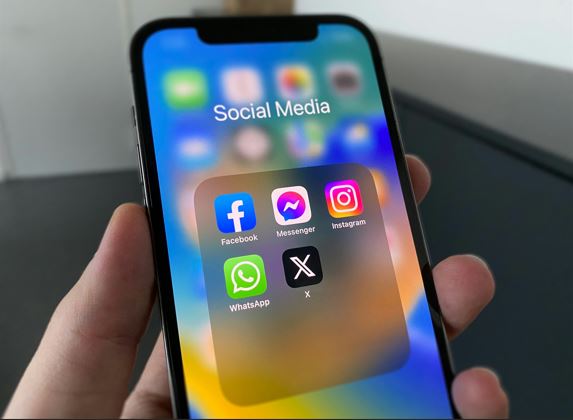
Social media has transformed how we do things, from connecting with families and friends to social shopping and marketing research. Another area that social media has transformed is Public Relations (PR). Today, brands use social media for reputation management, disseminating information to their audiences, and responding to online conversations.
Unlike traditional Public Relations, which relied on long lead times and controlled messaging, social media has enabled brands to engage in real-time dialogue, resulting in instant feedback and greater visibility. In this article, we take a deeper look at how social media has transformed public relations.
Why is Social Media a Game-Changer in PR?
There are several reasons why social media is a game-changer for PR. These include:
Two-Way Communication
In the past, the brand spoke to customers while rarely listening to them. However, social media has transformed, making it easy for customers to talk to brands. That means social media is a two-way communication, unlike past methods such as media briefings and press releases.
Today, PR professionals can communicate with customers, respond to their inquiries, and solve their problems in real time on platforms such as X, Instagram, and LinkedIn. This has not only enhanced communication between stakeholders but also promoted trust and loyalty.
Real-Time Communication
Another benefit of social media for PR is that it also helps brands communicate with their customers in real-time. Whether it's a significant update, an urgent message, or a discussion of a popular topic, brands can speak to their target audience in real-time.
By shifting from traditional one-way communication, such as a press release, to two-way communication, PR professionals can foster more relatable interactions and build stronger bonds with the target audience. When they do that, brands can encourage impulse buying on social media.
Wider Audience
At the start of 2025, DataReportal counted more than 5.2 billion social media user identities, close to two thirds of the world's population. This makes it possible to reach a broader audience in different parts of the world and time zones. Social media is an integral part of the PR strategy, providing brands with an opportunity to share narratives, shape public opinion, and build long-term brand equity.
Higher Engagement
Social media PR can be an essential tool for resolving customer issues and increasing customer satisfaction. By offering your customers timely, fast support, you can increase customer engagement. When you solve customers' problems on social media, you can generate referrals, increase purchases, and drive lead generation on LinkedIn or any other social media platform. When you engage referrals with targeted ads and content, you can create a conversion cycle that delivers results without ads.
How to Use Social Media for PR
We have already seen the benefits of using social media for PR. Let's now look at the various ways to use social media for PR:
Enhancing Brand Reputation
Social media can be an excellent tool for enhancing brand reputation. If you work in PR, you can use these platforms to showcase your brand values, missions, and voice. You share a consistent brand narrative across channels, with messaging, tone, and imagery aligned. Ensure all your communications reflect your brand values and narrative.
Use Social Listening
Social listening is another area of PR where social media plays a role. This is because social platforms provide a wealth of information, enabling PR professionals to monitor industry sentiment, brand mentions, and trends using tools such as SproutSocial and Brandwatch. Social media also allows professionals to understand different audience perspectives, identify challenges, and create ads that appeal to the target audience.
Proactive Management of Social Media Crisis
To stay on top of your PR, you need a proactive PR strategy. With the rapid spread of social media crises, having a reputation management strategy can minimize damage. When you establish an outstanding crisis management strategy and a fast response time, you can maintain your brand's trust.
Creating Valuable Content
Social media offers PR professionals an opportunity to create inspiring, relevant, and educational content that addresses the target audience's interests and needs. Additionally, an intuitive, well-structured website design can ensure you have visually appealing content. This can make your audience feel connected to your brand, improving your PR campaigns. A good idea would be to leverage different content formats such as films, live streams, blog posts, and videos.
Challenges of Using Social Media in PR
While social media offers an excellent opportunity for PR, it also poses a challenge that must be well mitigated. These include:
- Possibility of misinformation and backlash. Misinformation on social media tends to spread very fast, which can damage your brand reputation. If there are adverse reactions and comments, these can quickly get out of hand, damaging your brand reputation.
- A balance between brand messaging and authenticity. Brands can find it challenging to maintain their brand authenticity while aligning it with their messaging. This is especially true in influencer marketing, where influencers may have values and styles that differ from the brand's.
A Look At the Emerging PR Social Media Trends
Social media is constantly changing, reshaping the PR landscape. Here are some emerging trends we are likely to see in the social media landscape:
- Use of social media for reputation management. In the recent past, we have seen the use of social media for reputation management.
- Use of AI tools. The emergence of AI social media automation tools has changed how PR teams track conversations and public sentiment. Social media platforms such as BrandWatch and SproutSocial use AI to analyze large volumes of data and provide instant feedback on audience sentiment.
- The popularity of short-form videos. Short video content is popular on social media, making it a useful tool for PR to share information and address customer issues. These content formats are usually highly consumable, enabling brands to interact with customers in various ways, from viral challenges to UGC content and more.
- Social commerce. The integration of social commerce has made it easier for brands to use social media to sell their products. PR professionals can now develop seamless experiences that combine direct sales with captivating narratives. This is a clear indication of the need to connect PR campaigns with your overall marketing strategy.
In Conclusion
There is no doubt that social media has revolutionized PR. By shifting the narrative from one-way messaging to a two-way conversation, brands can create stronger relationships with audiences. With social media an ever-evolving field, PR professionals need to keep up with the latest trends in using social media for PR. By reading our detailed guide, you should be able to do that.


