

A good social media strategy is about getting your content seen by the right audience. To do that, you must create great content that entertains and informs. Content pillars can serve as the foundation of an effective social media strategy in 2025. They can help organize your content in a core direction and theme to enable it to resonate with your target audience. This article will guide you in using content pillars for your social media marketing strategy.
What Are Social Media Content Pillars?
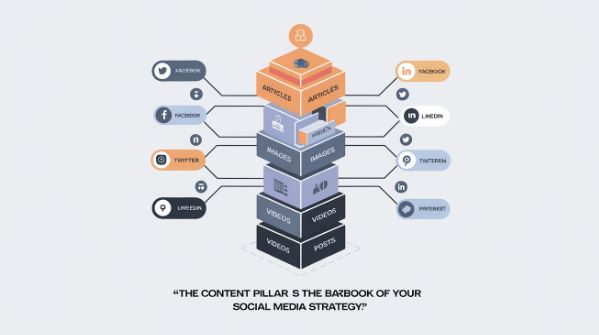
Also referred to as content buckets, content pillars are the key categories representing the main theme your brand will discuss online. These foundational topics guide your overall messaging and enable you to connect with your audience. They guide the type of content you create on social media channels. You should, therefore, ensure that each piece of content you create aligns with your pillars, tying back to your expertise, brand mission, or values.
While you can change the theme and topics of your social media content, the content principles shouldn't change. For instance, you can have a content theme that focuses on a greater theme, such as your brand's commitment to providing money tips or sustainability.
That means the content pillars can help ensure a consistent narrative for your brand, increasing trust and familiarity across different social media platforms. Clear content buckets increase your chance of creating engaging content. They also enable you to create an outstanding social media content calendar and ensure cohesive messaging.
Benefits of Content Pillars For Social Media Success
Content pillars are an essential part of social media marketing's strategy. This is because they can help turn your scattered social media ideas into a focused messaging strategy, ensuring you have a better content management strategy.
A structured framework lets you plan content and use analytics to track performance. It also helps to have well-refined messaging for your target audience.
Here are the benefits of having content pillars:
Maintaining Brand Voice and Identity
Content pillars serve as your brand anchor in different social media posts. Instead of switching focus and tone with every post, they ensure consistency, enabling you to project the image you want your audience to have of you.
Whether you use a professional or playful tone, you can help keep your brand more recognizable. Maintaining such consistency in the long term helps increase familiarity and trust, enabling your audience to recognize your brand with the first caption or logo.
More Streamlined Content Planning and Creation
Creating content becomes easier and faster when you organize your content around specific buckets. This removes the guesswork you would otherwise spend wondering what you should post. It enables you to create quality materials that align with your brand’s needs. This also makes it easy to build a content calendar and enables better team collaboration.
Additionally, having a theme makes it easier to delegate specific tasks, repurpose different content, and ensure consistency during busy campaigns and periods.
Increase Engagement and Retention Rate
When people see that you are constantly posting articles that address their interests, they are more likely to engage, follow, and remain loyal to the brands that consistently speak about them. With content pillars, you can stay relevant to your target audience as you post what they want to see most. This will position you as the go-to resource for your target audience, resulting in a higher level of loyalty, long-term growth, and retention.
Support Your Business and Marketing Goals
Finally, make sure the content pillars align with the broader business objectives. Whether you are creating a behind-the-scenes story, reel, or blog post teaser, it should contribute to your measurable goals, enabling you to get content marketing results. That means when you have the right pillars, you can use social media to amplify the mission of your brand and turn your customers into followers.
How to Identify Your Social Media Content Pillars
Here are the steps to follow in determining content pillars:
Understand Your Audience
The most important thing when identifying content pillars is to determine your audience’s needs and your brand’s interests. Instead of creating random interest, aim for a framework that will speak to your audience and show your unique selling point. Therefore, begin by researching what your audience cares about and their challenges.
Consider the questions they frequently ask through direct messages or comments. Then, you can use the information to create content pillars that serve the target audience and drive engagement. You can also source important insights from social media comments, polls, reviews, and blog posts to determine the recurring issues and pain points.
Ensure the Content Pillars Align with Your Brand Values
Ensuring your content pillars align with your brand values, mission, and solution is essential. This ensures that all your posts reinforce your identity and help people to understand your business needs. Such an approach also ensures consistent messaging and a goal across the different platforms.
Keep Refining Your Content Pillars
You also need to track the performance of the content pillars to determine which ones generate the highest reach, engagement, or conversion. You can use social media content analytics and insights to determine what is working and what isn't. Use the insights to improve your pillars to reflect your business goals and audience interests.

Creating a Content Strategy For Your Pillars
After identifying the pillars, you need to determine the type of content you will create for each pillar to convey the message effectively. For instance, if your content pillars focus on educational content, they can include carousel posts, guides, and how-to videos, all of which help to break the content. If you are creating a behind-the-scenes pillar, you can bring it to life using short-form video clips, stories, or reels. If you want the pillars to be on thought leadership, you can create deep insights, quote graphics, or blog post snippets.
Remember that different content formats serve various purposes. Videos can show the human side of your business and increase visibility on algorithm-driven platforms. Short infographics or memes can help drive engagement. Diversifying messages increases your chances of reaching more users. This is one of the content strategies that works for both organic and paid.
Remember that different social media platforms are suited for various content formats. Therefore, educational, entertaining, and promotional content should be balanced well. For instance, you can mix a product tutorial with limited offers and a humorous meme.
Share customer reviews and experiences to show the authentic side of your brand. This can encourage your community's participation and prevent your content from feeling transactional. Plan your content before publishing to keep things organized.
In Conclusion
The content pillar acts as a guide for your overall cross-channel social media strategy. While you might change your format, design, or tone, you must have a consistent core theme. When you can adapt to the needs of different platforms while staying rooted to the content pillars, you can have a cohesive brand message across various social media channels. This can increase your familiarity and trust with your target audience.


