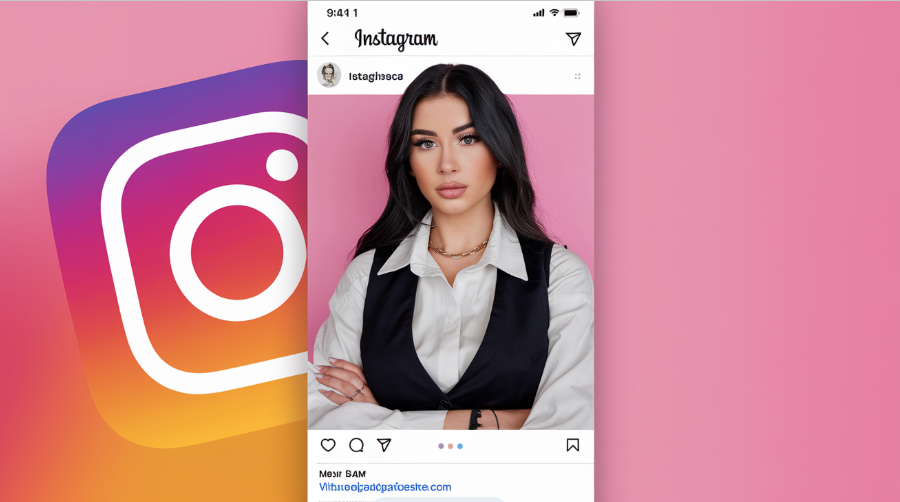
One of the social media trends that is taking over in 2026 is the rise of virtual influencers. According to a study by the Influencer Marketing Hub, around 58% of social media users follow at least one virtual influencer. These computer-generated characters work like real-life influencers and do everything from sharing images to brand partnerships.
This has raised questions about whether this is the future of influencer marketing beyond 2026 or if they are a passing fad. In this article, we explore the rise of the virtual influencer and answer the question of whether they are here to stay.
What are Virtual Influencers?
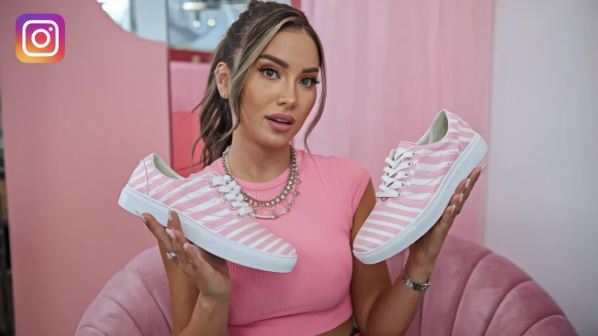
Virtual influencers are computer-generated personas who act like traditional influencers, creating content, sharing posts, promoting brand products and services, and even interacting with their followers. They are also commonly known as CGI influencers or AI influencers. However, there are some slight differences between these two types of influencers:
- AI virtual influencers. These are AI-powered influencers who learn, copy, and respond instantly. They are able to use their audience’s content to get feedback.
- CGI influencers. They are human-scripted and controlled, meaning they can act or think independently.
All in all, virtual influencers are the umbrella that hosts both types of influencers.
How Virtual Influencers Work
Virtual influencers are usually powered by AI and motion capture to engage with their followers. These online personas have offered brands a new way of interacting with their audience, but in an artificial way. Some of the most popular virtual influencers are Lil Miquela, Any Malu, and Lu do Magalu. Lil Miquela is one of the most renowned fashion virtual influencers, representing brands such as Calvin Klein, Prada, and Dior. In addition to their presence on social media platforms, virtual influencers also collaborate with email marketing platforms to increase brand outreach and engagement.
The personality and personal background of the virtual influencers are developed by humans behind the scenes. This ensures that they have values, appearances, humor, preferences, and other features to bring the digital influencers to life. The humans also ensure that they develop better relationships with the brand, improve collaborations, and have better content calendars.
Why Work With Virtual Influencers
Here are some reasons to consider working with a virtual influencer:
A Higher ROI
Influencer Marketing Hub’s research has estimated that, for every $1 spent on influencer marketing businesses earn around $5.78 on average. Another study by the Influencer Marketing Hub reports that 39.1% of customers say their purchasing decision was influenced by an AI influencer. This is a clear indication that the impact of AI influencers on digital marketing is growing.
Better Control Over Content
When you partner with an AI influencer, you can have more control over the type of content you share with your audience. This can be a particularly important move if you want to convey a particular message to improve your brand identity.
Highly Flexible and Adaptable
When you work with a virtual influencer, you can rest assured that they will not be limited by language, age, or even geographical location. This means they can adapt to different marketing campaigns. They also have a uniform personality, look, and style of content, ensuring that brands are assured of promotional strategies that are predictable without any unexpected changes.
Risk Factors of Working with Virtual Influencers
While virtual influencers have their benefits, they also come with certain risks that brands need to know before engaging them. These include:
Impact on Brand Reputation
As noted earlier, virtual influencers make it easy to better manage your brand reputation, but they don't guarantee immunity to social media crises for your brand. An example is when Barbie was criticized for promoting what was considered a lack of diversity and unrealistic body standards. She was also criticized for her support of gender stereotypes. This means brands need to monitor how they partner with virtual influencers to avoid social media crises.
Lack of Authenticity and Transparency
According to a Sprout Social study on the future of AI, around a third of customers suggest they are unable to differentiate between human-generated content and AI. With technological advancements and virtual influencers that look like humans, brands need to be more transparent in their use of these tools. According to the FTC, virtual influencers need to disclose brand sponsorship in the same way human influencers do.
Virtual influencers don't have a human identity as they lack authenticity. Instead, they only imitate human behavior while lacking honest reviews, genuine emotions, and real-life experience. Such a lack of human experience can impact how your brand relates to the audience, as the virtual influencer feels less genuine.
What is the Future of Virtual Influencers?
While the adoption of virtual influencers is in the early stages, brands are still experimenting with different strategies and making discoveries. Here are some of the social media trends we are likely to see in this field:
Growth in Adoption by Brands
In the recent past, there has been an increase in the number of top brands that are beginning to use virtual influencers. These include Samsung, Cosmopolitan, and Red Bull, opening the door for other brands to also do so to avoid getting left behind. As the cost of technology decreases and there is more data on AI influencers, many brands are likely to adopt or at least experiment with this marketing method.
AI-Driven Interactions Growth
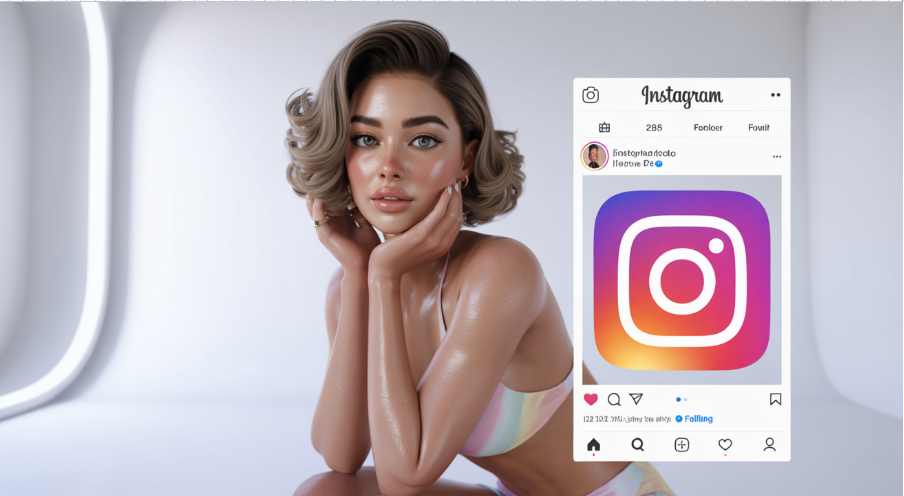
AI is evolving quickly as AI influences some carefully created avatars. The potential for people to become more digitally interactive is increasing through the use of natural language processing, generative AI, and emotion recognition.
That means the capabilities of these characters are also improving in different ways, such as:
- Ability to have a two-way conversation.
- Real-time customer interaction.
- Consistent content flow.
- Ability to create content tailored to every user’s needs.
- Have the same empathy as humans.
Ethical and Regulatory Factors
Like other AI features, virtual influencers have faced a good share of ethical and legal questions, and these are likely to persist. These questions include:
- Who will be responsible for the spread of misinformation by AI tools?
- Is it necessary for brands to inform audiences that they are dealing with AI tools rather than a real person?
- Who will be responsible for any fallout resulting from an AI influencer offering to interrupt a cultural norm?
In most cases, the people behind the virtual influencers aren't identified, making it hard to hold them accountable. It is, therefore, important for brands to ensure that their audience understands the type of influencer to increase their audience's trust.
Since AI is used in the creation of virtual influencers, the underlying digital assets, data, and algorithms are behind the AI. Without knowing the agreement for the use of the asset, brands may end up exposing themselves to legal challenges and copyright infringement.
We have seen an emergence of labeling and transparency, and this will continue to happen as the place of AI continues to rise. Therefore, brands will need to remain in tune with the changes in the ethical and legal use of AI.
Evolution of Video Content with Virtual Influencers
In recent years, video content has continued to dominate social media platforms. This means virtual influencers will become more than just CGI spokesmen and instead turn into an interface between a brand and its followers. In the future, we are likely to see tutorials that adapt to the skill level of the user or a product demo that changes color depending on the user’s browsing history.
Advanced avatars can speak different languages, adapt to the region's delivery style, and use analytics. For instance, if a brand can match tone at scale, it can offer an unmatched level of localization. This can drive campaigns that deliver high reengagement, strong brand recall, and a conversion journey that feels less like an ad and more like organic content.
In Conclusion
Virtual influencers can add a new level of innovation, control, and scalability in influencer marketing. For a successful strategy, there is a need for the brand to have a balance between digital creativity and human authenticity. This is a clear indication that virtual influencers can help raise your brand marketing strategies to the next level.
However, it is important for brands to assess the virtual influencers in the same way they do with human influencers. They need to measure their customers’ expectations and brand principles to get value from their relationship with a virtual influencer. Finally, it's important for a brand to be open with its audience about using a virtual influencer, as this is one of the top Instagram trends to watch in 2026.