
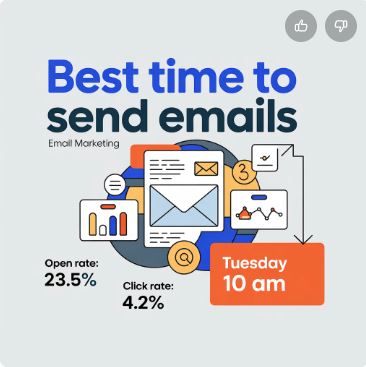
You know that feeling when an email lands at the exact right moment? Feels good. Feels almost personal. Like the sender knew your rhythm without even asking. That perfect timing matters more in 2026 because inboxes feel busy and attention jumps all over the place, so timing becomes your quiet advantage.
You want people to see your email, open it, then stick around long enough to read it. You do not need magic for that. You just need the right window!
I think of it like catching a bus. Hit the stop too early or too late, and the whole ride goes off track. Hit it on time, and everything flows.
Daily habits shifted a lot these past few years. Phones rule mornings, laptops rule afternoons, and evenings feel soft and reflective. Weekends have their own mood, so this guide walks you through the hours that work best now. No fluff. No old myths that never made sense.
I once moved a campaign by one hour. Just one. The open rate jumped so fast that I thought the dashboard glitched. Timing does that! Let us kick off!
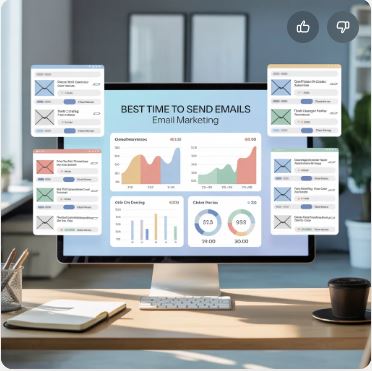
Morning Hours That Spark Action
Early mornings still win. You wake up, grab your phone, and swipe through messages before your brain even warms up. Most people do the same thing, so this window feels like a clean runway where your email can slide in before the day fills up.
Think 7 AM to 9 AM. People skim, sort, and open the messages that look worth a quick peek. It is not deep thinking time. It is warm-up time. Perfect for simple updates, reminders, plus light offers.
Morning emails work because people want small wins. Clearing the inbox feels like one. If your message fits that mood, you get the click. Your audience may shift a bit by age or job, so test little changes. A half hour can make a big difference.
I do it myself. I check my email before coffee. Habit wins!
Midday Breaks That Boost Opens
Lunch breaks are gold. You sit down, take a breath, and scroll through your inbox just to reset your brain for a minute. That tiny pause becomes a perfect opening for your email.
Between 11:30 AM and 1:30 PM, people slow down. They scan without pressure and have enough mental space to look at something new. Thus, your email gets a kinder read. It feels like a soft tap on the shoulder instead of a shove!
This slot works well for announcements, quick offers, and content that feels helpful. Not heavy. Not demanding. Just useful. People want something that gives them a spark for the afternoon.
I have sent emails at noon that outperformed everything else that week. No fancy secret. Just good timing!
Afternoon Windows That Catch Focus
Around 2 PM, something shifts. People settle back into work mode. Not fast. Not stressed. Just steady. That focus makes the afternoon a strong window for emails that ask for a tiny bit more attention.
Think 2 PM to 4 PM. Your readers are already in task mode. They are checking off lists and making small decisions, so your email feels like part of that flow. It does not interrupt. It slips right in.
This window changed a bit with remote work. People drift in and out of tasks, but that mid-afternoon push still lives on. It is reliable. It is calm. It works.
I like sending how-to content or important updates here. People absorb it faster!
Evening Hours That Feel Relaxed
Evenings carry a softer mood. Work ends. You relax. You check your phone on the couch or at the table. You want something light—something that feels like a friend dropping by.
From 7 PM to 9 PM, people are calmer, and their inbox becomes less of a chore and more of a casual scroll. So lifestyle brands, newsletters, tips, and personal updates land really well here. If your tone matches the evening vibe, your readers stay with you.
The key is not to push too hard. Evenings reward gentle messages. Warm ones. I once sent a simple wellness email at 8 PM. The replies felt almost intimate because the timing shaped the whole mood.
Use this slot when the message needs heart, not urgency!
Late-Night Browsing That Surprises You
There is a small crowd of late-night readers who treat email like a quiet companion. They open messages when the world settles down. When their mind finally loosens its grip on the day. It is a slower space. A softer rhythm. If your audience leans creative or global, this window can surprise you.
Think 10 PM to midnight. Not the most popular slot, sure, but it works for certain groups. Students. Freelancers. Night-shift workers. People who stare at the ceiling before bed and reach for their phone because silence feels loud.
Send something simple and warm. A note. A tip. A story. Heavy asks feel wrong at night while light ones feel natural.
I have sent night emails that pulled in thoughtful replies from people who never respond during the day. They read deeper because everything else goes quiet!
Why Weekdays Still Rule the Game
Weekdays remain the core of email life. Workdays shape habits. Schedules set the pace. People expect messages Monday through Friday, so opens follow that flow. You want to ride that wave instead of fighting it.
Tuesday, Wednesday, and Thursday often hit the sweet spot. Monday feels crowded. Friday feels loose. Midweek brings this steady rhythm where people check emails with clear heads. Not rushed. Not drained. Just present enough to care.
I like midweek because it feels neutral. No pressure. No weekend fog. People act on messages faster. They click. They reply. They move.
Weekend emails can work too, but we will get to that. For now, keep your important stuff in the center of the week where attention sits still for a moment. Even a small shift in the weekday you choose can reshape your numbers!
Weekend Moods That Change Everything
Weekends flip the script. People slow down. They step away from their screens and drift back when curiosity kicks in. That pause creates a different type of attention. More spacious. More personal. But also unpredictable.
Saturday mornings can shine. You wake up slower. You scroll while sipping something warm. You feel open. Sunday afternoons have a similar vibe—soft and gentle. Good for newsletters, inspiration pieces, and deeper reads.
But weekends are tricky. Some audiences disappear. Others show up more often. It depends on the rhythm of their lives. Parents. Students. Shift workers. Travelers. Everyone moves differently on weekends.
I once sent a Sunday email expecting it to flop. It became the top performer that month. People read it like a small break from chores. So test it. Feel it out. Let data tell you where the weekend magic sits!
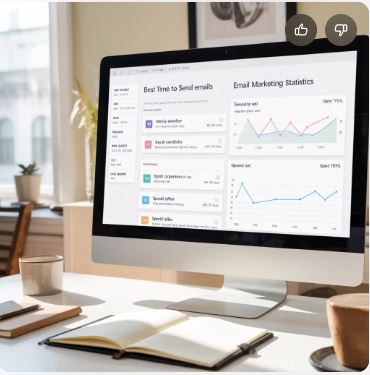
Time Zones That Change the Rules
If your audience spreads across countries, time zones become a puzzle. You cannot pick one perfect hour!
You must shape your timing around real geography and real lives. Send too early for one group and too late for another, and your numbers drop before your message even lands.
So break your list into regions. North America. Europe. Asia. Wherever your people live. Then send based on their day, not yours. It feels like extra effort, but it pays off fast.
For example, a message that hits 9 AM in London might land at 4 AM in New York. That is a graveyard slot. It buries your work. But shift your send time, and both groups get a fair shot at seeing you in their best window.
I once forgot to segment for time zones and watched a brilliant email fall flat. It hurt. Lesson learned. Respect where people live and meet them in their daylight.
Why Audience Habits Matter More Than Charts
Every chart online tells you the “best time to send.” Nice idea. Not real life. Your audience has its own rhythm. Their own moods. Their own habits. You must watch them, listen to them, and let their patterns guide you!
Some people open emails fast. Some wait. Some check in bursts. Some drift in at random moments that no study can predict. That is why your data beats any universal rule.
Track open times. Track where clicks cluster. Track how different segments react during different hours. Patterns pop up when you look at real behavior instead of general tips.
I learned this when I managed a list that acted nothing like the industry charts. Their best window was 3 PM. Every day. No matter what I sent. No guide predicted that. So treat your audience like the living thing it is—responsive, human, and always shifting!
Mobile Habits That Shape Your Timing
Most people open emails on their phones now. That one shift changed everything. Mobile screens follow you from morning to night, so your timing must line up with real life. Short pauses. Slow walks. Couch breaks. All those tiny moments become tiny windows.
Mobile readers tap fast. They skim. They scroll. They want clarity in seconds. So your timing should match moments when minds feel open. Think of commute hours. Think about lunch breaks. Think those half-awake morning swipes before the day kicks off.
I check emails while waiting for my toast. No joke. That tiny moment shapes how I see whatever pops up. When you understand where your readers hold their phones, you understand when you should show up!
Content Type That Changes the Clock
Not every message needs the same time slot. Quick updates fit mornings. Deep guides breathe better in the afternoons. Soft, friendly notes glow in the evening. Your content carries its own timing energy, and you can use that to your advantage.
If your email asks for a click, send it during a focused hour. If it asks for reflection, send it when people slow down. It should be simple, human, and natural.
Think of your content like a person showing up at your door. Some visitors feel right in the morning. Some feel better at night. You know the difference instantly.
I once shifted a long educational email from noon to 3 PM. It went from average to incredible. The content just needed calmer air. Let the message choose its hour!
Testing That Helps You Dial It In
Testing saves you. Testing teaches you. Testing turns vague guesses into sharp decisions. When you try different times, you start to see patterns that no universal guide will ever show you.
Test small at first. A morning send. An afternoon send. See what sticks. Then test narrower. Ten minutes earlier. Thirty minutes later. Patterns appear. They always do.
Plus, testing keeps you humble. Just when you think you cracked the code, your audience shifts. New habits form. New devices appear. New work routines take over. Testing helps you stay in tune instead of getting stuck.
I love the moment when a tiny test proves everything I thought was true… was not. Keeps things interesting!
Finding Your Own Email Rhythm
Timing emails is not about chasing the “perfect hour.” It is about learning your audience’s rhythm. Their mornings. Their breaks. Their quiet moments. The more you study them, the more naturally your timing fits their day.
So watch closely, adjust gently, and try again. Over time, you build a rhythm that feels less like marketing and more like conversation. That is the sweet spot—when your email feels like it arrived on purpose, when it feels like you showed up right when they needed you. I think that is the real goal. Not perfect timing. Just thoughtful timing!
Conclusion – Show Up When It Matters
Here is the heart of it. Email timing is not guesswork. It is pattern-spotting. Life-observing. You learn where your readers stand during the day, and you meet them there. Not pushy. Just present.
Morning brings momentum. Midday brings calm. Afternoon brings focus. Evening brings softness. Weekends bring mixed moods. Your job is to notice which window carries your readers best.
Start simple, test often, and stay curious. Your audience will tell you everything if you listen long enough.
Now go send something at the right moment. See what opens up!


