
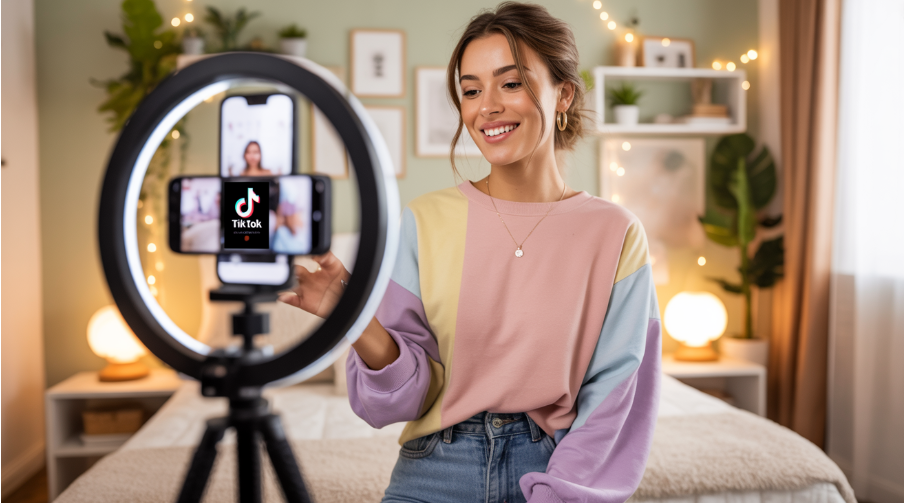
In recent years, we have seen a shift in the way influencer marketing happens, with brands now shifting to nano and micro influencers in marketing. This can be attributed to the fact that social media algorithms are now rewarding engagement over follower count. Despite their smaller following, these social media accounts can drive higher engagement because of their niche and more engaged communities.
However, just like any other marketing strategy, there are many moving parts of a micro-influencer marketing campaign. From planning the campaign to understanding revision rules and content approvals, there is a lot to be done. For your micro-influencer campaign to deliver the required result, all involved parties should understand what they need to do and when. That's the essence of a social media timeline. Join us in this article as we guide you on creating an effective influencer marketing timeline.
What is a Micro Influencer Marketing Timeline?
A micro-influencer marketing timeline is a structured schedule that maps out the different stages of your social media campaign from the initial planning to the post-launch reporting. This acts as the backbone of your campaign, enabling your creators, stakeholders, and team members to align on their deliverables, deadlines, and dependencies.
Some of the key components of a good micro-influencer marketing timeline include:
- Campaign phases. It should include a date for when each stage should start and end.
- Milestone. The timeline should include the major milestones such as content submission, contract signing, and launch.
- Deadlines for the deliverables from the side of the creator and brand.
- Dependence. It should show the tasks to be completed before others can start.
A timeline is different from a content calendar; a key element of the timeline focuses on the date of publishing. On the other hand, the micro-influencer timeline will feature everything you need to do before, during, and after the content has gone live. For instance, a B2B Saas company integrating new content can have a timeline that looks like:
- First two weeks: Research and find the right influencer.
- An extra week for outreach and signing the contract.
- Three weeks for the content creation and approval.
- Two to four weeks for running a campaign.
- One week to track performance.
So, basically, the goal is to ensure that everything is running smoothly and brings the desired result.
Benefits of a Micro-Influencer Timeline
Having a micro-influencer campaign timeline offers various benefits, such as:
- Ensure everyone is on the same page. There are many parties and things to be done in influencer marketing, from your team to influencers and even legal parties. If you don't have a clear deadline, you can have things falling through the cracks.
- Provide influencers with creation space. If you need the best results with micro-influencers, you need to avoid rushing them. With a timeline, you can budget the necessary time for content creation, enabling them to create relatable content.
- Track results. When you map out the different stages of influencer marketing, you can look back and determine what brought good results and what didn't. This will ensure that your next campaign can be faster, smoother, and even more effective.
How Long Should a Micro-Influencer Campaign Last?
To answer the question of the length of your influencer marketing campaign, you need to first determine whether you are aiming for a short-term or long-term campaign. This will enable you to choose a campaign that is suited for your goals, budget, and resources.
Short-Term Influencer Campaign
In the short-term, an influencer campaign can run for two to six weeks, with a focus on delivering instant action. This window is long enough to enable influencers to create high-quality content while considerably shorter to avoid fatigue and develop a sense of urgency.
Short-term influencer campaigns can be effective for several reasons, such as:
- Creating a buzz for your product launch.
- Seasonal promotions relating to shopping events or holidays.
- Trend jacking.
- Activations related to the event with some fixed data.
- Testing a new partnership with creators before committing to a long-term deal.
A shorter timeline means less chance for errors, and therefore, you need creators to turn around content and avoid bottlenecks in the approval workflows. This is one of the Instagram engagement strategies that work in 2026.
Long-Term Influencer Campaign
This usually lasts for three to twelve months with a focus on building relationships over instant results. However, it can also be longer, especially for brands trying to establish themselves as a thought leader in the crowded market. This is important as 75% of B2B buyers can take up to four months before they make purchasing decisions. In all, long-term campaigns are meant for long-term brand-building instead of quick results.
Therefore, the long-term influencer campaign can be a good choice for:
- Increasing brand awareness where repetition is needed.
- A brand Ambassador program with one micro-influencer.
- Content strategies for delivering consistency.
- Positioning yourself as a thought leader in your industry.
- Ensuring an authentic relationship with the creator results in better content in the long-term.
When running a long-term micro-influencer campaign, you need to ensure that your audience sees you as consistent in your messaging so as to associate your brand with value and credibility. A longer campaign can enable micro-influencers to integrate your brand into their content, resulting in a higher level of authenticity than one-off posts.
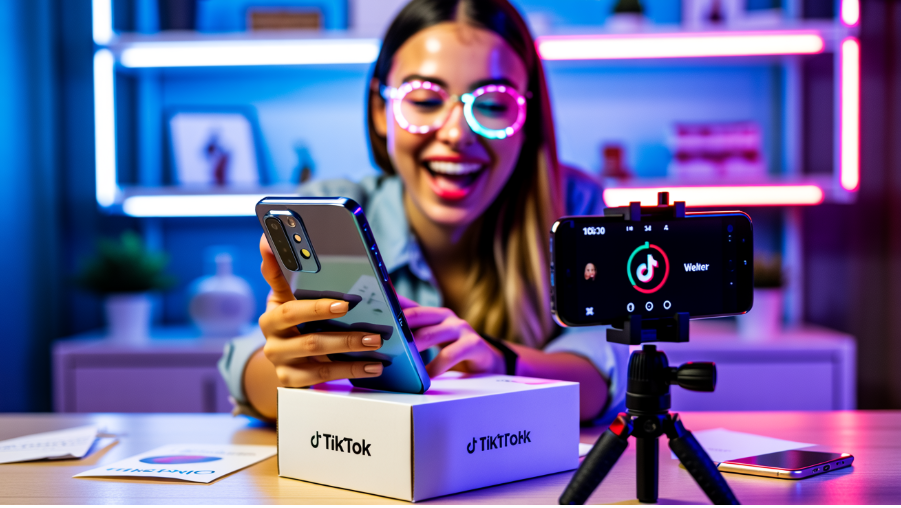
Creating a Micro-Influencer Campaign Timeline
The choice of a micro-influencer campaign timeline will depend on the individual brand. However, in this article, we provide you with a basic model covering an 8- to 12-week timeline to act as the foundation of your timeline.
1-2 Weeks for Goal Setting
Before you reach out to the influencers, you need to determine your goal of influencer marketing and how you want to achieve it. You can have different objectives, such as driving brand awareness, lead generation, and increasing conversion. While at it, determine the KPI that will track success.
For instance, if your campaign aims at driving brand awareness, consider different KPIs such as reach of content, views, and impressions. Remember that your choice of influencers and the platform of the influencer marketing campaign will make a difference. For instance, TikTok can be a good platform for introducing your brand to a new audience because of its virality potential, while YouTube is a great platform for educational content and pitching to prospects.
1 to 2 Weeks for Micro-Influencer Sourcing/Vetting
A key element that will impact the success of your campaign is the choice of a creator. You need to choose one that aligns with your campaign goals, message, and target audience. The micro-influencer should also match your budget. You can use an influencer marketing platform to find the right influencer.
Once you have identified a few candidates, you can now reach out to them to find out their availability and interest. You can ask the influencer questions to understand their audience, goals, and values, and determine whether they are a fit for your campaign. After finding the influencer, you can negotiate with them and create a contract.
One Week of Briefing and Ensuring Creative Alignment
You will need to create a brief for the influencer, with details such as brand descriptions, deliverables, and key messaging. Mention your campaign goals and whether you want to drive brand awareness, drive engagement, or increase sales. It is important to allow the influencer to be themselves, but you will need to set boundaries to protect yourself from a possible social media crisis.
1 to 3 Weeks of Content Production
The time that the micro-influencer will take in content production will vary depending on the type of content and the platform. For instance, creating a Facebook post will take less time than a YouTube video. Therefore, discuss with the micro-influencer to understand the time they will need for content creation, including filming, editing, etc.
3 to 5 Days for Content Approval/Revision
Depending on the micro-influencer discussion, provide them with a deadline by which they need to submit the content.
1 Week for Publishing
After the content is created and approved, you are now ready to publish. Make sure the post is coordinated around a major event such as a special event, promotion, or product launch. To enhance your results, you can upload the content to a content calendar for scheduling. After organizing your content in a calendar, you will not need to worry about some unexpected issues, such as technical glitches and connectivity problems.
1 to 2 Weeks of Campaign Monitoring/Optimization
The fact that the content is published doesn't mean the work has ended. You need to check the performance of the campaign, and then use the results to optimize the campaign and even gain insights for your next campaign.
Build a disclosure check into your review step as well. Before anything goes live, confirm the post clearly says it’s sponsored, as the FTC requires.
In Conclusion
With so much to do in micro-influencer marketing, you need to organize yourself with a campaign timeline. This will ensure that all the team members are on the same page. By following the steps above, you can have an effective timeline.


