There was a time when influencer marketing involved brands working with celebrities and mega-influencers. However, one recent influencer marketing trend is the shift from mega influencers to nano and micro influencers. This has created an opportunity for small creators to work as brand ambassadors on social media.
Micro influencers offer brands an opportunity to promote their products and services at a lower fee than what mega influencers charge. They also have a highly engaged community that can help raise brand awareness. In this article, we explore how to leverage micro-influencers to build brand awareness.

What Are Micro Influencers?
Micro influencers are creators with a small, highly engaged following, mostly between 10K and 100K followers. These creators often focus on a particular niche such as beauty, technology, sustainable fashion, and more.
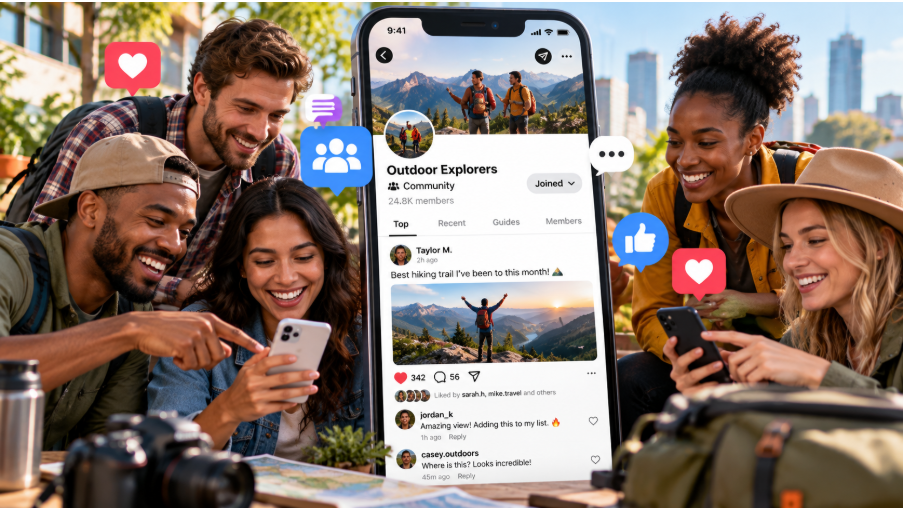
Influencers usually focus on building a close-knit community and fostering authenticity with their audiences. This helps build a higher level of trust, which can prove valuable in influencer marketing. They also create organic content that offers a good blend of everyday posts and sponsored posts.
Why the Shift Toward Micro Influencers
While celebrity influencers can reach more people, little-known nano and micro influencers tend to reach them at a more personal level. Such personalization is what makes micro influencers more valuable. Micro influencers can encourage users to get into the conversation and be proactive.
Here are some reasons why brands are now shifting toward micro-influencers:
Higher Engagement
The more social media followers, the lower the engagement. That is why micro influencers have a higher engagement compared to macro influencers. According to one study, micro influencers can have a 60% higher engagement than macro influencers.
The followers of micro influencers usually consider them to be an honest source of information rather than a product advertiser. This means they can generate a high number of comments, likes, and shares. When micro influencers receive comments, these are seen as more trustworthy rather than curated.
A Focus on Community Rather than Crowd
During the early days of an influencer marketing campaign, it’s common to see posts without comments. On the other hand, micro-influencers often have a tightly knit community. They are a great source of information, which can result in a higher engagement rate. This is especially the case when they regularly engage with their audiences.
Relevance
Consider an influencer with millions of followers. This means they already have a diverse audience with a range of interests. On the other hand, if a vegan diet creator has 30K followers, this is an audience that is already highly interested in vegan content. While the former already has a niche, the celebrity influencer mostly appears to a large audience without common ground.
Availability
Reaching an influencer with a huge following can be challenging because they are often in high demand, with many brands eager to collaborate. Even when you get a chance to work with them, they might not have enough time to generate engagement and create content with great impact.
On the other hand, micro influencers are usually available. Partnering with them is usually less complicated. They have a shorter lead time and are better positioned to dedicate more time to the campaign.
Authenticity
With social media users now preferring raw over polished content, one of the factors that you need to consider when choosing an influencer is authenticity. Micro influencers often have a deeper relationship with their audiences and have to carefully choose the brands they collaborate with. This ensures your content is seen as authentic.

Better Understanding of Followers
Part of the followers of micro influencers consist of family, friends, and people who know them offline. This means they have a deeper understanding of their followers. On the other hand, the people who know them already trust their recommendation, which can lead to a higher conversion.
Steps in Leveraging Micro Influencers for Brand Awareness
To start using micro influencers to increase brand awareness, follow these steps:
Choosing the Right Micro Influencer for Your Brand
Micro influencers aren't created equal, and the most important thing is to find one whose audience, content, style, and values align with those of your brand. Some of the top tips you can use to find micro influencers include how they help in pitching, vetting, and hiring.
- Use third-party platforms. Start by searching for an influencer who is already creating content related to yours using tools such as AspireIQ or Upfluence to find such an influencer. While this can be a more costly option, it can be a more effective strategy to help brands get the right influencer.
- Search bar. You can also use the search function on platforms like Instagram to evaluate the number of followers and hashtags. Check the comment quality, engagement rate, and authenticity of content. Instead of just looking at the numbers, check the community interaction and tone.
After shortlisting the potential candidates, you can then initiate the collaboration with a personalized proposal that adds value. Remember that relevance is more important than reach.
Understand the Elements of a Good Collaboration
A good collaboration with a micro influencer starts with a brief that outlines the expectations, goals, deliverables, and content examples. The brief should provide the creator with creative freedom and clear communication. You should begin by defining what you want to achieve, such as growing your following, increasing traffic, or growing the number of followers. Such a brief will ensure you have a smoothly running campaign that aligns with your goals.
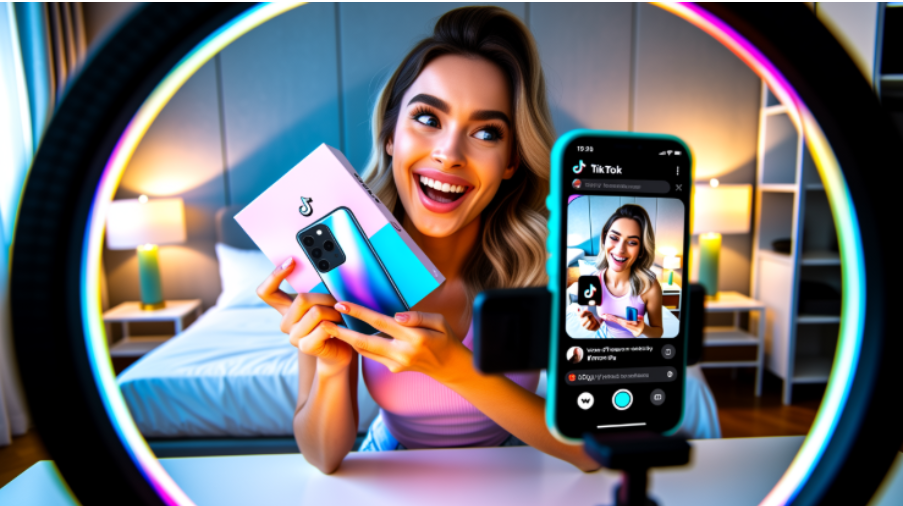
Consider running different campaigns such as giveaways, product reviews, behind-the-scenes, and unboxing videos, as these are among the engaging and natural content formats. Make sure every sponsored or gifted post is clearly disclosed, as the FTC requires, and that reviews reflect the creator’s honest opinion. Understand what metrics to measure, such as tracked links or unique discount codes. Instead of focusing on a one-time campaign, focus on a long-term campaign.
Build Authentic Relationships
If you want to have more impactful campaigns, you should focus on forming some genuine relationships with influencers.
Here are ways of making the relationship more authentic:
- Engaging with content. Before reaching out to a brand, make sure you are engaging with their content by liking, sharing, and commenting. This level of genuine interest can provide insight into their audience and style.
- Outreach personalization: When reaching out to your potential partners, use a personalized message. Illustrate why you believe your brand aligns with their content.
- Provide value. Ensure you have a collaboration that is mutually beneficial for both parties. On top of the financial rewards, consider other benefits you can offer, such as exclusive products and product co-creation opportunities.
Create Outstanding Campaigns
After the partnership is established, you need to create a campaign that will resonate with the micro influencer, their audience, and brand goals. You can give collaboration guidelines on things such as:
- Content creation. This ensures that the influencer has the creative freedom that they need to maintain authentic content that aligns with their brand.
- Use storytelling. Encourage the influencers to share some personal experiences and stories about the products. This can be a good way of adding authenticity and increasing engagement on your content.
- Add multiple channels. To increase the reach of the content, use different platforms such as Instagram, YouTube, and TikTok. Each of the platforms has its unique strengths.
Track and Adjust
For successful influencer marketing campaigns, you need to continue evaluating.
Some of the things to track include:
- Performance metrics. Tools such as Google Analytics can help you track important metrics such as reach, conversion rate, and engagement. Also, track the customer lifetime value and the cost per acquisition, as these can show the long-term benefits of the influencer marketing campaigns.
- Get feedback. You can ask for the feedback of the influencers and their followers to determine what worked in the past and the potential areas of improvement.
- Use affiliate links. UTM parameters, discount codes, and affiliate links can help track conversion.
- Use qualitative feedback. Take note of the qualitative metrics, such as DMs and comments, as these can illustrate authentic customer sentiments and provide insights into the effectiveness of the campaign.
- Adapting strategy. You can leverage the gained insights to keep refining the approach and improve your future campaigns.
Final Thoughts
Micro influencers can be a great option for increasing brand awareness and connecting with your target audience at a more personal level. When you carefully choose the right influencer and create authentic collaboration, you can get a greater level of success with your strategy.
When leveraging influencer marketing, start by determining your goals and researching different influencers to find those that align with your business and goals. Remember that the goal of working with a micro influencer isn't about reaching more people; it's about connecting with them in a way that builds genuine connections, resonates with audiences, and ensures that it resonates with your target audience. You can read our guide to doing outreach on LinkedIn.