
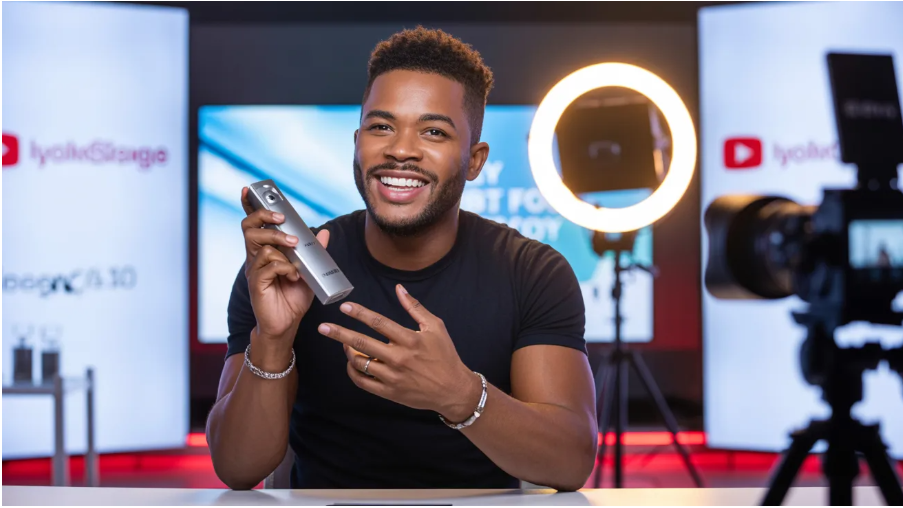
One of the influencer marketing trends gaining prominence in 2026 is the shift from polished, traditionally polished content to raw and authentic content. This has raised the need for brand ambassadors to help brands form meaningful connections with their audiences.
If you are a creator looking to earn from brand collaboration, you can carve out a niche as a brand ambassador. You can then collaborate with top companies to research and engage with their audiences.
Instead of sharing a one-time sponsorship post, brand ambassadors usually work with their favorite businesses to recommend brands that naturally align with their lifestyle and content. This can be a good opportunity for influencers who need to evaluate their professional partnership. In this article, we guide you on everything you need to know to work as a brand ambassador.
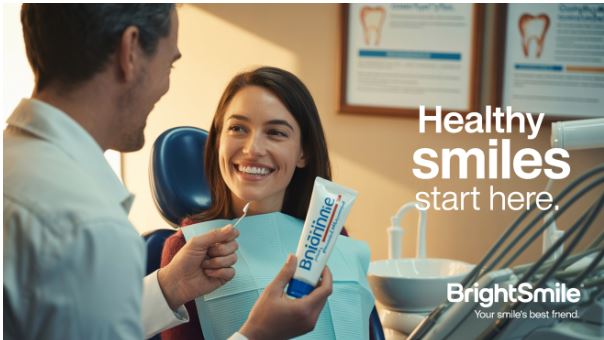
Understanding the Role of a Brand Ambassador
If you want to build professional content, brand ambassadors can be one of the best ways to do so. It differs from the one-off sponsorship post in that it focuses more on long-term collaborations that can help you enhance your credibility, skills, and income. So, what do we mean by a brand ambassadorship? This is a content creation strategy in which a creator regularly collaborates with a brand to promote its products, aiming to build long-term awareness, trust, and credibility.
There are several reasons why a company can work with a brand ambassador. This includes:
- Improving brand awareness.
- Attracting customers.
- Creating a closely knit community.
- Building social proof to increase conversion.
Brands work with ambassadors to increase visibility, drive engagement, and build lasting loyalty. If you want to stand out as a brand ambassador, you need to ensure there is authentic alignment. If you are promoting your favorite brand, you can do so genuinely, inspiring your followers to try the product and become devoted to it.
Differences Between Brand Ambassadors and Influencers
Some people treat influencers and brand ambassadors as two different creators. However, this is not the case, and brand ambassadors are also influencers. In fact, many influencers also work as brand ambassadors; therefore, the real difference isn't in the kind of creator but the type of collaboration they are getting into.
Ambassadors focus on a long-term partnership driven by relationships. On the other hand, sponsored posts focus more on short-term partnerships designed to deliver quick results.
Here is how both types of partnerships fit into the bigger influencer marketing ecosystem.
Brand Ambassadors (Long-Term Partnerships)
Some of the features of long-term partnership include:
- Focuses on an ongoing long-term collaboration lasting for several months or even years.
- More focus on your brand, aligning consistently, and greater familiarity with the product.
- A focus on raw and naturally-sounding storytelling.
- In most cases, it includes recurring perks, exclusive access, and commissions.
- Make your creators stand out as noticeable brand representatives and advocates.
Short-Term Influencers and Sponsored Posts
This has been marked by:
- One-off campaign, a single post, or product drop.
- Ability to offer instant awareness, immediate reach, or conversion.
- Offers a fixed fee per delivery or per hybrid system.
- Offers greater flexibility but less relationship-building.
- Focuses more on temporary visibility than on long-term loyalty.
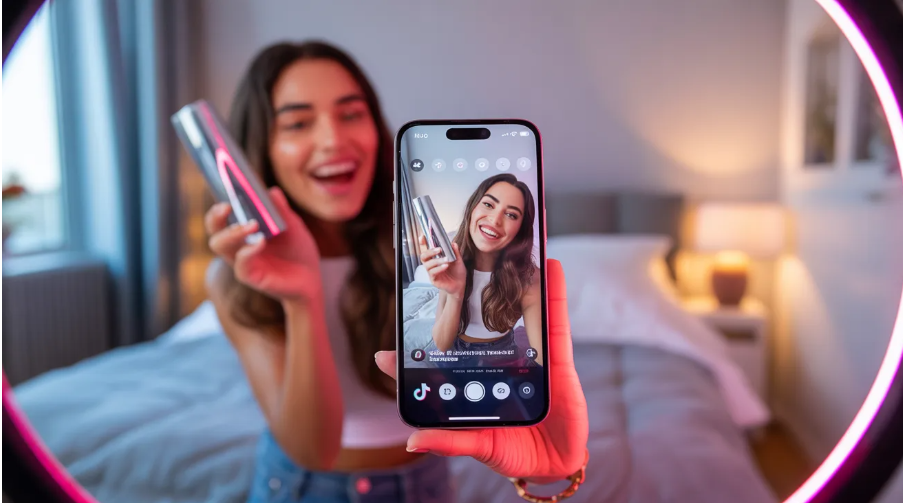
Why Brand Ambassadors are Helpful for Small Creators
The good thing with working as a brand ambassador is that you don't need a very large following. Many brands are always ready to work with different types and sizes of influencers, particularly those with an authentic, engaged audience. That means working as a brand ambassador can offer you a brand deal even when you are a small creator.
Brands prefer to work with smaller creators for a number of reasons, such as:
- A high level of engagement that demonstrates their followers' trust.
- Ensuring a closer relationship with communities, resulting in deeper interactions.
- Ensuring authentic, relatable, and natural content that doesn't sound like an ad.
Working as a brand ambassador offers a structured, more beginner-friendly opportunity with clear support and expectations. That can offer various benefits for creators, such as:
- Understanding influencer collaboration with different brands.
- Gaining the necessary experience in goal-meeting content creation.
- Building a name that will open doors to a large partnership in the future.
If you are a seasonal creator, you can enhance your relationships with the businesses you already collaborate with. With a long-term partnership, you can increase income, open co-branded possibilities, and enable creatives to grow their influence in their niche.
Benefits and Drawbacks of Brand Ambassadorships
As with the other partnership types, brand ambassadors have their benefits and challenges. Let us look into some of these:
- Low entry barrier. Even if you have a tiny but highly engaged following, you can easily get started.
- Consistent collaborations. The programs usually begin with long-term collaboration rather than one-time posts, resulting in more consistent revenue.
- Resume growth. You can create case studies that show results, enabling you to reach bigger brands in the future.
- Opportunities for networking. Most programs also include the creator events and communities that allow creators to genuinely connect with industry professionals and other brand ambassadors.
- Get insider knowledge. Ambassadors tend to receive early access to products, previews of campaigns, and input on future launches. This enables you to create more engaging and relevant content.
Drawbacks of Working as a Brand Ambassador
Some of the challenges you may face when working as a brand ambassador include:
- Limited creativity. You may get into a program with strict posting or content guidelines.
- Exclusivity. Some brands may prevent you from collaborating with competing brands, limiting your short-term opportunities.
- Brand fatigue. When you promote the same product regularly, it can reduce your audience's interest and credibility.
- Reputation link. Remember that people will associate your image with the brand, whether it's positive or negative.
- No constant rewards. Instead of offering monetary value, some programs may offer free products.
Steps in Working in a Brand Ambassador Role
Now that you understand the steps required to work as a brand ambassador, let us look at the actual steps to becoming one.
Build a Personal Brand
Remember that a personal brand will act as the basis of your career as a brand ambassador because it affects your target audience and partners' opinions of you. Therefore, you should start by creating videos that showcase your expertise, interests, and personality to enhance brand trust and recognition in the niche.
Make sure you position your unique selling point. An outstanding personal brand should involve communicating your values with your brand. It fuels your growth in the community and illustrates the brands that align with your mission and audience.
Some of the questions to ask yourself are:
- What kind of career or content do I want to create?
- Where are my greatest abilities as an influencer?
- What is unique about me in my field?
- What are my passions?
- What traits do I share with my top creators?
After answering these questions, you can summarize them in a personal brand phrase. You can use short phrases and adjectives to show your identity and tone. For instance:
- Welcoming, quick-witted, and inspiring.
- Informative, fun, and compassionate.
This statement will serve as your compass as you shape your content strategy.
Create Your Personal Brand Story
Unless you connect deeply with your audience, it can be hard for your followers to trust your recommendations. One way to genuinely connect with your audience is to use personal stories. These also give brands a better understanding of your personality.
Some of the ways of creating a personal brand story are:
- Understanding your key experiences, such as milestones and challenges, which will impact your perspective.
- Connecting experiences with the content you create and your target audience.
- Adding emotions and personality. This could be humor, quirks, or values that will make the story relatable and memorable.
At the end of it all, you will have an authentic brand story that will enable you to confidently articulate your thoughts online and connect with businesses that align with your values.
Add the Context of Your Brand
After defining your brand, you need it to reflect in all your posts and on your preferred platforms. You can do that by using visuals, tone, and values that help your audience understand their expectations and gauge your level of authenticity.
Growing Your Community
As noted earlier, the size of your following doesn't matter when attracting brands. The most important thing is to have a genuine connection with your target audience so you can grow the brand and build a community, rather than just driving views. Make sure you are creating content that can organically grow their reach. You can do that in different ways, such as:
- Strategic use of trends and hashtags for content visibility among the relevant audiences.
- Creator collaborations. To reach new audiences, you can collaborate with other creators on related items who aren't your direct competitors.
- Be consistent. Post regularly to build your audience's trust and drive long-term engagement.
Drive Engagement
One reason your content will attract brands is its level of engagement. You need to prove to them that your audience isn't only watching the content but is also interacting with it.
Some of the measures you can use include:
- Comments and replies. You can invite your audience to share your opinions.
- Remain transparent. Show what you use or love daily. Share any relevant and filtered content as output for the polished content.
- Ask the relevant questions. You can run polls to drive a two-way conversation.
Find Compatible Brands
Choosing the right brand to collaborate with is essential to creating an authentic, lasting partnership. Make sure you identify the brands that match your audience and values, and research deeper into creator collaborations.
Begin by building a partnership with the brand you would like to collaborate with. Even if they don't have a partner program, feel free to reach out to them. When reaching out to a brand, you can have various questions to ask:
- What companies do you think reflect your brand? Authenticity can inspire online buying, and brands understand it better.
- What are the brands that match your knowledge and expertise? This will enable you to create better content.
- Which are your favorite brands? If you are already a fan of a brand, you can become its great brand ambassador, making it easy for your brand to stand out.
- Your followers’ favorite brands. When you show the ability of a brand to meet your audience’s needs, you will easily get noticed by your audience.
Check Out Other Ambassadors
You can take the outreach to the next level by connecting with creators who have previously worked with your target brand. You can ask them questions such as:
- How was your experience?
- How do they pay?
- Did the collaboration help you grow?
- Did they welcome your creative inputs?
These questions will help you understand if the brand is a good fit for working with.
Pitch to the Brand
After identifying the prospective brands, pitch them, illustrating how you can help them connect with their target audience. You can use the portfolio of your previous campaigns to illustrate your knowledge and experience. A good idea would be to create a media kit that acts as a resume. This should contain:
- A brief bio outlining your communication style and niche.
- Your key demographics and the engagement rates.
- Samples of your best-performing content.
- Previous partners, you worked with (if any)
- Your contact information and platform’s links.
A good media kit can help brands understand the value you offer.
Create a Unique and Personalized Pitch
If your pitch is going to be noticed by the brand, you need to make it unique and personal. This will show that you have already researched and understand the brand well. You can then personalize the message while referencing its tone and recent campaigns that demonstrate genuine alignment and interests. Make sure you structure the picture so the value is clear.
You can use the following tips when doing so:
- Begin by sharing genuine complaints or explaining why the brand is your favorite.
- Introduce yourself and your content type and format.
- Show your audience’s engagement rather than just telling them.
- Show how your content strategy matches the brand’s audience goals or their audience’s challenges.
- End the pitch with a question or a clear set of steps that invites a response.
When you tailor your outreach, the brand will easily notice it. It will demonstrate creativity, professionalism, and collaborative enthusiasm.
Reach Out to Brands
Instead of waiting for businesses to contact you, reach out to them. Many brands rarely reach out to small creators on their own, so waiting to be discovered can take a long time. Therefore, stay proactive in reaching out. You might realize that some businesses have a process for applying to their ambassador program. If you are targeting such a brand, follow the steps carefully. When applying, use your unique brand voice and add a professional touch.
If a brand doesn't have an application process for recruiting brand ambassadors, reach out to them directly. As noted earlier, send a personalized message that highlights the similarities between their audience and yours. Ensure you track all interactions in a spreadsheet so the follow-up process is smoother, and you can determine which outreach will yield the best results.
How to Prepare for Your Interview for the Role of a Brand Ambassador
If the brand considers offering you a brand ambassador role, you may be interviewed by phone or via a questionnaire. This is to help them gauge the audience's level of professionalism, enthusiasm, and alignment. You can encounter several brand ambassador questions, such as:
- Why do you think you fit this brand ambassador’s role?
- Who do you target with your content, and how do they react to your content?
- Why do you think our brand aligns with your content values?
- Share examples of your previous successful campaigns and collaborations.
- Which is the best-performing content format for your audience?
- What approach do you use to ensure authentic product promotion?
- What metrics do you use to track the partnership's level of success?
- Do you have brands you are currently working with that may be our direct competitors?
When you choose a good ambassador program, you can enjoy long-term success as an influencer. Therefore, you need to be careful when selecting a partner. When you collaborate with reputable brands, you can build a strong portfolio that opens opportunities to future collaborations.
Negotiating with the Brand
If you are getting started with brand negotiation, this can feel intimidating in the first place. However, this is still an important step for the creator. Remember that the goal isn't to ask for more, but to ensure a clean, fair, and sustainable collaboration for both parties.
After receiving feedback from the brand, review their offer to identify areas for versatility. While some programs come with some clear terms, others might be negotiable.
You can negotiate various factors such as:
- Compensation. This includes your salary, rates, commissions, and bonuses when you hit a particular milestone.
- Deliverables. This includes the exclusivity terms, posting frequency, and number of posts.
- Usage rights. Clarify if it's fine for the brand to reuse the content. If yes, you might ask for higher compensation.
- Perks. What perks will you be getting, such as invitations to events or early access to certain products?
- Timeline. You can adjust the deadline to match the content's schedule.
You can back up the request with samples of your past strong performance, such as engagement and conversion rates, or unique content that improved your brand's results. Feel free to inquire about any wiggle room, as that can hurt the conversation. When doing that, remain clear, polite, and backed by data. Make sure your request is framed around your value, not what you gain.
Ask for a Brand Ambassador Contract
To protect yourself legally, you need a contract as a brand ambassador. This can also define the exact deliverables, such as the number of posts to be created in a specific timeline, payment terms, the branding elements to include, etc. A contract can reduce risks by including clauses on exclusivity, confidentiality, and termination. This can ensure that the ambassadors are a true representation of your brand's professionalism and comply with legal standards. Ensure that everything is written in a contract to protect you and your brand and avoid any future misunderstandings.
Understand the Brand Deeply
After joining the brand ambassador program, learn more about the brand, including its creative style, audience, and brand story. Talk with your brand's prospects, study the content of other brand ambassadors, and keep tracking your campaign updates.
Ensure your content aligns with the brand's values, tone, and goals. This will help you to:
- Strengthen the brand partnership.
- Be featured on the channel of the brand.
- Plan for long-term collaborations.
Exceed Expectations
When you get the brand ambassador’s role, you want to bring the expected results and even exceed them. Make sure you overperform and share the first collaborations to improve future ones. However, when promoting the brand, don't lose your personal brand, such as the values, chrome, and creativity. This is important as these are what keep your followers on your page.
Add the relevant sponsored content label when you share branded content. This will not only help you to comply with the FTC guidelines but will also help you maintain your audience’s trust.
Track Results for Validity
Every campaign should be seen as an opportunity to grow and to show your values. You can do that by tracking different metrics like:
- Follower growth rate during a campaign.
- Engagement rates, such as likes, comments, and shares.
- Sales and link clicks using affiliate links.
- Brand mentions and reposts.
You can create a brief summary or a visual identity to show your impact for the brand. When you demonstrate measurable impact, you can strengthen your current relationships and provide grounds for rate negotiations and future pitches.
In Conclusion
Working as a brand ambassador can help you succeed as a creator. This is a collaboration opportunity that offers access to exclusive perks, free products, and commission opportunities, rewarding consistency and creativity. Therefore, use the steps above to start working as a brand ambassador and help businesses generate leads without ads.


