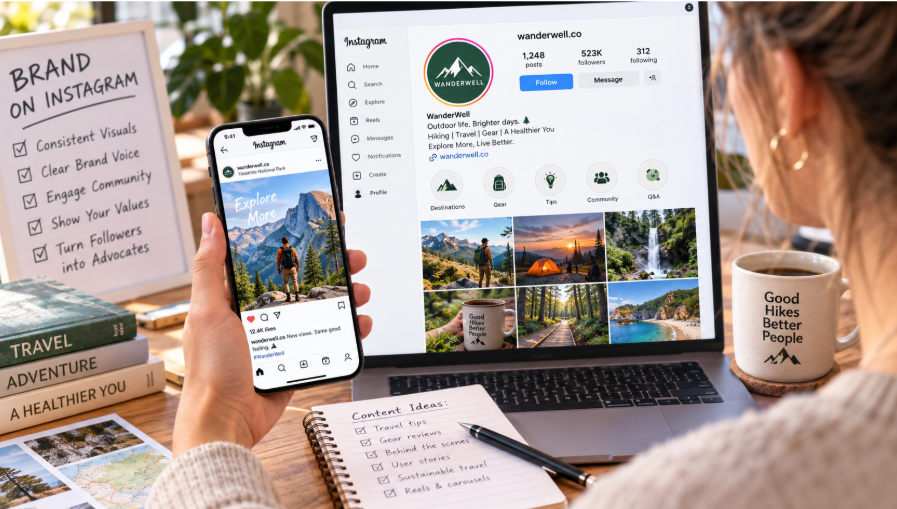
Building a strong and consistent Instagram brand can enhance brand recognition, increase customer loyalty, and drive conversion. When you showcase your brand’s personality with consistent messaging and visuals, you can expand your organic reach and turn those casual users into customers.
However, building a consistent Instagram brand isn't easy. It requires careful planning and deeper insights into your audience. In this article, we look at the key components that help build a strong brand.
Buyer Persona
Without a good understanding of the people you are trying to reach, it can be hard to develop an Instagram identity. That is why one of the most important elements you need to consider is the buyer persona. A buyer persona is a rough representation of your target customers, which should be key in guiding your content creation process.
There are several considerations you need to make when building a buyer persona, such as:
Demographic
Just as audience insight is important in content creation, it is also key for your Instagram branding. You need to begin by understanding your audience’s demographics, such as gender, age, profession, and location. By understanding these elements, you can better determine the kind of content you make and whether it will be appreciated by your target audience.
For example, if you have a target audience mostly consisting of Gen Z, you may want to establish a brand identity with more vibrant and dynamic colors. If your brand is targeting professionals, you might need to go for a more polished and refined look.
Behavior
You will also need to consider your Instagram audience’s behavior and the kind of content they have a greater interest in. Are they seeking images, videos, memes, or other forms of interactive content like quizzes and polls? When you understand your audience’s preferences, you can be in a better position to create content they are likely to show interest in.
Interest
When you dig deeper into the interests of your audience, you can better understand the kind of content they are likely to engage with. Does the audience consist of fitness enthusiasts, avid travelers, or vegetarians? When you align your Instagram content with your target audience’s interests, you can increase the content’s appeal.
Values & Aspiration
Pay attention to the aspirations and values of your target audience. Are they creative, innovative, or environmentally-conscious? Your brand content and aesthetics should reflect your audience’s aspirations and values.
Target Customer
Are you targeting B2B or B2C customers? Your Instagram branding will be shaped by the target customers. For instance, if you are targeting a B2B audience, you may need to create content on industry insights, testimonials, and thought leadership. On the other hand, UGC, product highlights, and BTC content may be suitable for B2C.
Instagram Feed Branding
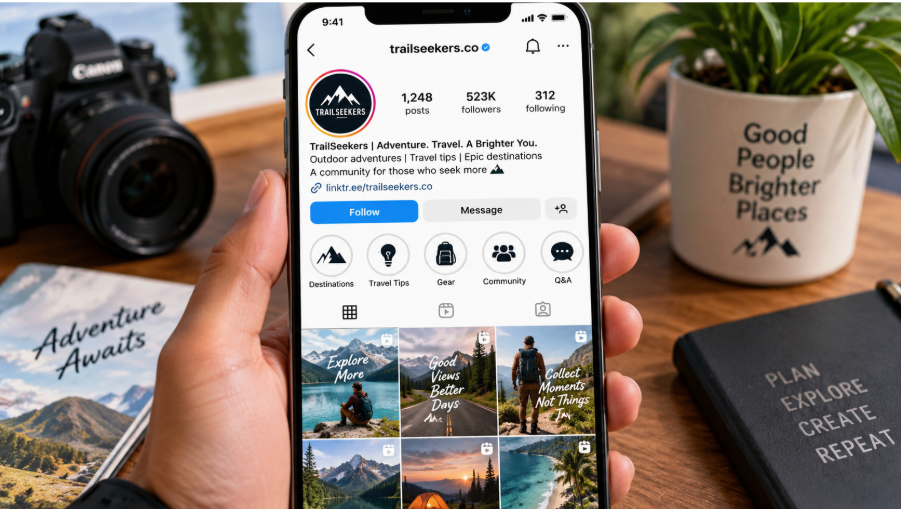
Instagram mainly consists of images and videos, and that means when creating an outstanding brand identity, you need to leverage that fact by ensuring you have a consistent and visually appealing feed branding. You want to ensure that your Instagram feed tells a flowing visual story that captures your audience’s attention and keeps your business top of mind.
Without a well-organized Instagram feed, you will leave people confused. Therefore, make sure that you have:
- A consistent and cohesive Instagram grid.
- Content themed around certain subject matter, colors, and fonts.
- Use Instagram filters.
- Add a particular border to your image or group them according to the shots.
High-Quality Content
If you want to grow the reach and engagement of your Instagram posts and enhance your branding, you need to create high-quality feed posts, reels, and stories that will work for your target audience. Remember that many Instagram users are searching for content that is educational, motivating, and entertaining. Therefore, you need to ensure that your content serves one of those purposes.
In addition, you need to ensure that your Instagram content is:
- Original. Make sure your content is outstanding, sharing unique and compelling content consistently.
- Timely. Make sure your content aligns with major events such as upcoming holidays or product launches. You can do that when you understand how to create a seasonal marketing strategy.
- Trending. Connect with the content that is currently trending on Instagram.
- Actionable. Include a CTA to encourage your audience to like, comment, and share the post.
- Snackable. Make sure the content is brief, and users can snack on it while scrolling through the feed.
If you are looking for ideas to work for your Instagram Stories and posts, you can consider:
- Educational content. You can share with your target audience how-to guides, quick tips, and other easy-to-follow instructions for better brand recognition.
- Behind-the-scenes video. You can share a glimpse of your video shoot, event, and the process behind your video to humanize your business and establish a deeper connection with users.
- Employee report. If your employee creates content about your brand, you can repurpose it, helping to personalize the business and showcase its positive impact.
- Motivational content. You can provide your audience with some uplifting content. However, don't overdo it, as you might end up losing your authenticity.
- UGC. You can share and curate video and image content created by followers and fans, as long as they align with your overall Instagram branding.
- Newsjacking. You can base your Instagram content strategy on trending news or simply join other people’s conversations.
- Influencer collaboration. You can partner with influencers to increase brand visibility.
Competitor Analysis
Another important part of Instagram branding is competitor analysis. This requires studying and analyzing the way the leading brands position themselves on Instagram.
To get better insights into the competitor strategy, you need to consider:
- What part of their visuals makes them outstanding?
- How does the competitor ensure consistency between their reels and posts?
- Do they use particular colors, fonts, or filters to build a strong brand image?
In addition to the visual impact, consider their brand voice, tone, and content style. Do they use a unique content brand voice that is consistent across different communications? Does the tone of voice keep changing depending on different factors? For example, the tone on Stories can be casual, while promotional content can be more formal.
When you understand your competitors' voice and tone, you can get better insights into:
- The language they use to communicate with audiences.
- Whether they are using a formal, inspirational, humorous, or casual voice.
- How they directly address the audience and whether they do so using the perspective of the third person.
To determine the right brand tone, consider the message, audience, and the goal, as different content formats call for different tones of voice. For instance, when creating a promotional reel, you might need to use an enthusiastic tone. On the other hand, educational posts require more informational and serious tones.
However, you should remember that your goal shouldn't be to copy your competitor but to get inspiration from their social media strategy. You can then use the insight to build an outstanding and impactful presence on Instagram. Remember that creating a unique voice, visual style, and tone needs research, time, and constant refinement.
Posting Schedule
A key element of your Instagram branding is the posting schedule. Plan your content to go live when your audience is mostly active. This will depend on different factors such as your brand, industry, region, etc. However, according to some studies, the best time to post is between Monday and Wednesday, between 11 and 2 P.M. Saturdays follow at 10:00 A.M.
A good idea would be to check your Instagram Audience section to see when your audience is highly engaged with your brand. You can also consider using third-party tools to schedule your posts to go live when your audience is most active, such as Hootsuite and SocialBee.
Content Calendar
A content calendar can serve two key purposes. It can enable you to maintain a consistent posting schedule and also ensure that your teams are in sync. When you have a content calendar, you can batch-create your Instagram assets to ensure that your visual aesthetics stay cohesive. It can also enable you to balance your content pillars to ensure a seamless mix of educational, entertaining, and promotional content.
Content calendars are also suitable for planning when, why, and where to post content. This will ensure that your team members remain empowered while your team remains orderly and considers events to provide them for your posts.
For example, if your aim is to do four Instagram posts weekly, you can write down ideas for each post and when it should go live. This will enable you to save time by streamlining your posts and ensuring your team members work together. However, to effectively do that, you need to ensure that the posting time aligns with when your audience is online, as described earlier.
In Conclusion
With the many benefits of Instagram branding, you cannot afford to miss it. When you understand the key elements such as quality content, a feed theme, a content calendar, and peak posting activity, you can provide your brand with a better competitive edge, increase engagement, and grow your following.