
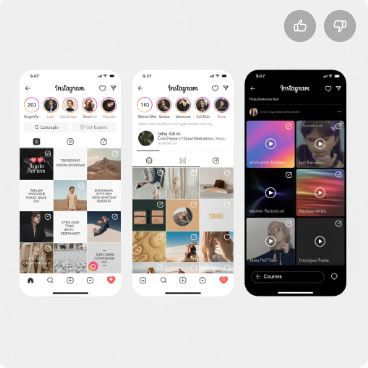
You have probably noticed it. Feed ads do not hit the same way they used to. People scroll faster now. They swipe past posts with half the attention they gave them a few years ago.
The feed still matters, sure, but it no longer holds the center of Instagram the way it once did. Stories pushed their way in. Reels took off like wildfire. And suddenly the feed felt like the older sibling who still shows up but no longer runs the show!
This shift did not happen overnight. It happened in tiny ways. People tapped through Stories during lunch. They watched quick Reels while waiting in line. They shared more vertical videos with friends. Instagram and its algorithm noticed. Advertisers noticed too, especially when performance numbers started leaning toward formats with motion instead of stillness!
I felt this change when a client’s feed ads began underperforming even though the targeting stayed the same. The creative was solid, the offer was clear, but the results dipped. Then one test Story ad outperformed three feed campaigns combined. It surprised us at first.
But honestly, it made sense. The audience had moved, the attention had shifted, but the ad strategy had not! So now the big question hangs in the air: Is it time to move more of your budget to Story and Reel placements?
Not with panic. Not with urgency. With curiosity, strategy, and a clear look at how people actually behave on Instagram this year. Because your budget should follow attention, and attention is changing shapes.
Let us kick off the breakdown!
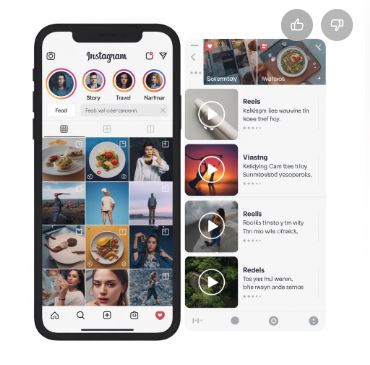
Why Feed Ads Do Not Hold Attention the Way They Used To
People treat the feed differently now. It used to be the main stage. Every scroll felt deliberate, and every image felt like a moment worth pausing for. But the feed lost some of that spark. Not because the content is worse. Just because habits shifted.
Users move faster in the feed. They skim, glance, and save posts for later but rarely study them in the moment. When attention drops, ad performance follows. Feed ads rely on slower scrolling, longer viewing, and people reading what is on the screen. That kind of focus is harder to get now.
I saw this when a brand ran photo ads for months with stable results. Then the numbers slipped even though the creative stayed strong. Nothing changed on the brand’s end. The audience simply paid less attention to still content in the feed.
Plus, Instagram’s own behavior shapes this, too. The platform pushes Reels heavily. It nudges users toward Stories with colorful circles and places suggested posts between your friends’ updates. People feel overwhelmed, so they move more quickly.
A fading attention span is not the feed’s fault. It is just part of the evolution!
Why Story Placements Feel More Natural for Viewers
Stories feel casual, quick, and human. People tap through them like flipping through a friend’s photo album. No pressure. No noise. Just smooth flow. That flow creates a perfect space for ads that blend in with everyday updates.
Story ads do not interrupt the experience. They fit into it and show up between real moments from real people. That makes viewers more open to them. Not excited, but open. And openness is rare in advertising today.
When an ad matches the rhythm of the format, it feels less like an intrusion and more like a suggestion. Stories do that well. Their full-screen layout helps, too. Nothing else competes for attention. No captions. No comments. Just your message and a quick swipe option.
I once ran a simple Story ad for a creator who sold digital planners. Nothing fancy. Just a short clip flipping through pages. It outperformed every feed ad they had run that month. Not because the product changed. The placement did.
Stories invite viewers in softly. That softness turns into performance!
Why Reels Ads Tap Into Today’s Fastest-Growing Attention Stream
Reels are where attention gathers now. People watch them when they need a quick break. When they want to laugh. When they want ideas. When they want something small and satisfying. Reels are easy to consume, share, and binge.
Instagram pushes Reels aggressively because it competes with TikTok, so the platform gives them more visibility. Advertisers benefit from that push even if they do nothing special.
Reels ads feel like part of the entertainment flow—short, fast, and snappy. They land where viewers are already focused, and that built-in attention helps ads perform without needing complicated storytelling.
I watched a small skincare brand test a seven-second Reel ad. Just a close-up of texture and a quick “Here is why your skin will love this.” It reached more people at a lower cost than a full carousel in the feed. The shift was not subtle. It was immediate.
When you place ads where people already gather, results follow. Reels are that place right now!
Why Vertical Formats Convert Better in Mobile-First Spaces
Almost everyone scrolls through Instagram on their phone. Vertical content fills the screen. Feed posts only fill part of it. That difference matters more than people admit. A full-screen ad feels immersive and direct. It feels like a moment designed for you!
Vertical formats remove distractions. No captions pulling the eye downward. No text blocks are stealing attention. No competing visuals on the edges. Just a clean frame where your message sits alone.
This is why Story ads and Reel ads often see higher tap-through rates and stronger engagement. The screen belongs to you for a moment, and that moment builds clarity.
I once compared the same creative in two placements. One was inside the feed. The other ran as a vertical Story. The Story version drove nearly double the clicks without changing anything else. The content worked better when the frame fit the behavior.
Phones prefer vertical, and people prefer vertical. Ads perform better when they fit the screen people already use. Vertical placement feels natural, and natural placement converts.
How User Behavior Shapes Where Your Budget Should Go
People tell you what works just by how they use the app. Not with words, but with taps, pauses, and how often they replay a Reel or respond to a Story sticker. User behavior is the real map here. Instagram only follows what viewers already show.
Look at your own habits for a second. How often do you scroll the feed with real focus? How often do you tap through stories without thinking? How often do you sink into a Reel loop without trying? Your customers do the same.
When people spend more time in Stories and Reels, your ads should follow. That is not a trend. That is alignment. The feed still matters, but attention has drifted. You can feel it every time you pick up your phone.
I worked with a local business that kept forcing budget into feed ads because that is what worked years ago. Their cost per click kept rising. Their Story placements quietly became the top converter. When they shifted the budget toward Stories, their results improved almost overnight. Behavior tells the truth, and your budget should listen.
Why Story Ads Build Faster Trust Than Feed Ads
Trust forms quicker when the content feels personal. Stories feel personal because they live closer to everyday life. They sit between a friend’s brunch photo and someone’s pet doing something silly. That context softens the viewer and lowers their guard.
A Story ad shows up in a space where people feel relaxed, comfortable, and in a rhythm. Feed ads land in a heavier space. More curated. More polished. More formal. Viewers feel slightly more distant there, and that distance makes trust take longer.
When your ad appears inside a space that feels human, your message feels more human, too. That is why soft visuals, simple text, and casual tone often perform better in Stories than highly produced graphics in the feed.
I once saw a handmade jewelry brand run a quiet, behind-the-scenes Story ad showing the owner working at her desk. It exploded with clicks. Not because the production was fancy. It was not. It worked because it felt warm and honest in a format built for warm and honest moments. Trust grows faster in relaxed spaces. Stories offer that space!
Why Reels Ads Benefit From Algorithmic Momentum
Reels are the only ad placement on Instagram that receives algorithmic help by default. The platform wants Reels to dominate, so it pushes them everywhere—into feeds, hashtags, the Explore page, notifications, and the minds of people who did not even plan to watch anything.
Your Reel ad rides that wave, even if viewers skip the feed or ignore Stories, they still get pulled into Reels! This means your ad enters a placement where users already expect rapid movement and fresh content. Their attention is active. Their eyes are awake. They are ready to discover something new, not just passively scroll.
I once ran a Reels ad for a coaching program. Nothing complex. Just an eight-second clip with clean text. It reached more viewers than the feed and Story ads combined with the same budget. The algorithm did most of the lifting. Our job was simply to fit the format.
When the platform pushes a format, your ads get carried along with it. Reels enjoy that push right now, and it would be a missed opportunity not to ride the current.
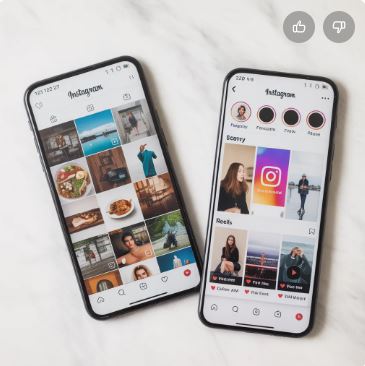
Why Creative Needs to Match the Placement
A feed-style graphic inside a Reel does not work. A traditional video dropped into Stories looks stiff. A beautifully designed static ad inside the feed can still fail if the viewer expects motion.
Placement shapes expectations. Expectation shapes engagement. Engagement shapes results. So your creative needs to match the environment.
Story ads should feel quick, natural, and vertical. They should sit inside the rhythm of tap, tap, tap. Something that fits between everyday moments.
Reels ads should feel dynamic. Movement first. Snappy edits. Clean text. A clear hook. Something that feels native to the endless scroll of fast clips.
Feed ads should feel polished. Still images or carousels can work well, but they need strong clarity because viewers skim faster now. I once saw a brand take the same video and run it as a feed ad and a Reels ad. One tanked. One soared. The difference was only placement. One felt stiff. One felt native.
Fit the format. Fit the flow. Fit the viewer’s comfort! When your creative blends with the space, your message lands smoother.
How Costs Shift When Competition Moves
Every ad placement gets more expensive when more brands fight for the same spot. Feed ads have lived in that competitive zone for years. Everyone runs them. Everyone knows them. Everyone depends on them, so the costs stay high.
But Stories and Reels still have breathing room. Fewer brands use them well. Fewer ads compete for the same moment. Less competition means lower costs per result.
That alone makes them attractive. But the real win comes from efficiency. When your ad lands in a placement with lower cost and higher attention, your budget stretches longer. You buy more time, more reach, and more action from the same spend.
I worked with a clothing brand that paid almost triple for feed clicks compared to Reels. Same targeting. Same creative theme. The platform simply priced the placements differently because demand shifted.
As more brands pile into Stories and Reels over the next year, those costs will rise. But for now, the space is still open enough to take advantage of the lower pressure. Where competition goes, cost goes. The smart move is staying slightly ahead of that shift.
Why Testing Across Placements Gives You Real Answers
You can guess where your budget belongs, or you can test it and let the numbers speak. Testing cuts through assumptions. It shows you how your audience behaves across feed, Story, and Reel placements.
Run small tests first with the same targeting, same creative style, but different placements. Then compare the outcomes. You will see patterns right away. Some audiences respond to Stories more than Reels. Others click more on Reels than feed posts. Some products sell better when shown in a quick, vertical clip. Others need the calm layout of a carousel.
I once helped a skincare brand split its budget evenly across all three placements. Reels brought the cheapest views. Stories brought the most clicks. Feed ads brought the highest-quality purchasers. Without testing, we would have missed that mix entirely.
Data is honest. Data is quiet. Data shows the real winners! Testing is not extra work. It is the foundation of smart spending!
Why Creative Refreshes Matter More in Story and Reel Ads
Story and Reel ads age quickly. People see them often. They move fast and blend into everyday scrolling, so your creative burns out faster than feed content. A stale Story ad loses power within days. A reused Reel ad drops even faster.
This is normal. It is just the speed of short-form spaces. Refreshing creatives keep your ads alive—new clips, new hooks, new angles, new moods.
Even tiny changes help. You do not need to rebuild everything. Sometimes switching the opening line or the background color gives the algorithm enough freshness to push your ad again.
I watched a creator rotate between three versions of the same Reel ad. Each one carried a different opening shot, and that tiny variation kept results strong for weeks. Without it, performance would have dipped after the first round.
Short-form spaces demand movement, and movement keeps ads working. A small refresh can make a huge difference.
How Messaging Adjusts When You Move Away From the Feed
Feed ads give you more space to talk. Stories and Reels do not. That means your messaging must shift. Story ads need punch, reels need clarity, and both need speed.
You cannot rely on long text blocks or slow reveals. You need a hook right away. You need one idea per clip. You need a clear next step so the viewer knows exactly what to do. This does not limit you. It sharpens you.
I once saw a brand compress a full paragraph into one line for a Story ad: “Skincare that works even when you do not.” Clean. Simple. It performed better than the original feed version because it fit the format.
Short-form placements teach you to speak with precision. Feed ads let you explain. Stories and Reels make you focus! Adapt the message. Do not fight the format!
Why Audience Warmth Shapes Your Placement Strategy
Different placements feel different emotionally. The feed feels structured, stories feel personal, and reels feel fun. Your audience responds based on the emotional temperature of each space.
Warm audiences respond well everywhere. Cold audiences often convert better through Stories and Reels because the tone feels lighter, so your placement strategy shifts depending on who you target.
Retargeting warm viewers with feed ads works because they already know you. Retargeting cold viewers with Stories works because the environment feels safe. Reels work for both groups because the energy is playful and low-pressure.
I once saw a fitness brand run feed retargeting ads that performed beautifully, but when they used those same ads for cold audiences, the numbers dropped. Switching to Story placements flipped the results. Cold audiences needed ease, not structure.
Match the placement to the temperature of your audience. Warm people need depth, and cold people need comfort. Smart targeting follows emotion, not format!
How to Decide When It Is Time to Shift Your Budget
The decision to move the budget is not dramatic. It is practical. You shift when the numbers point toward a better home for your money. You shift when your audience shows you where they spend time. You shift when your creative performs better in one space than another.
Look for three signs: Your feed ads cost more but return less. Your Story or Reel ads outperform with less effort. Your audience spends more time in vertical formats.
When these signs line up, moving the budget is not risky. It is logical. You are not abandoning the feed. You are redistributing energy so your ads hit the place where people actually look.
I did this with a wellness brand last year. We moved thirty percent of the feed budget into Reels. Within two weeks, the cost per purchase dropped by nearly half. The brand did not grow because of a magic trick. It grew because we paid attention. Budget shifts happen slowly, then they make sense all at once.
Conclusion – Optimize Your Instagram Marketing Budget Right Now
Instagram is not the same platform it was a year ago. Attention has shifted. Behavior has changed. Motion formats now lead the experience!
Stories feel natural. Reels feel alive. Feed posts feel quieter! Your ads should match those rhythms. This does not mean feed ads are useless. They still play a strong role for certain audiences and certain products. But Stories and Reels sit closer to where people spend their real time. That closeness creates opportunity. Opportunity creates efficiency. Efficiency makes every dollar work harder.
So the real question is not, “Should I abandon the feed?” It is, “Where does my audience actually look today?” When you follow attention, results follow you. Test often, refresh your creative, and adjust your message.
Move your budget with intention, not fear. If you stay flexible, your ads will stay effective. And the shift will feel less like a risk and more like a smart step forward!


