
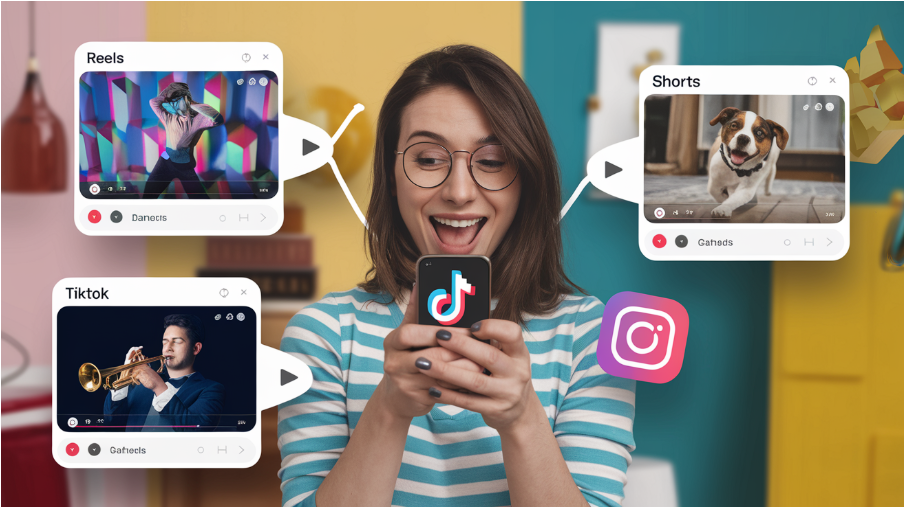
Social media has continued to evolve due to factors such as the emergence of new platforms, changing user behaviors, and the addition of new features. This has also led to the evolution of social media algorithms that recommend content. From when they showed content chronologically, to prioritizing accounts with a big following, and now those driving the highest engagement, the way they rank content has continued to change.
If you want to continue gaining visibility in 2026, you cannot continue to use the same strategy you used years ago. You need to change your strategy to match the changing algorithm and align with the future of social media marketing beyond 2026. In this article, we provide you with deep insights into how the social media algorithm has changed and what you can do to match the changes.

What is a Social Media Algorithm?
The social media algorithm refers to the rules, data, and instructions that govern the performance of social media. The algorithm determines how the content is ranked, filtered, chosen, and selected for users.
That means it's responsible for ranking content on social media, maintaining order, and ranking the search results. This ensures a relevant and more organized feed. It, therefore, influences or chooses the content we see on social media.
The algorithm considers the past behavior of the social media user, such as the posts they previously liked, the content they spend more time on, or the accounts they follow. These inputs act as data points organized by the algorithm to predict the type of content the user is more likely to engage with.
With the growth of social media platforms, so has the volume of content grown, which resulted in an imbalance between the demand for content and supply. It created an oversupply of content, which, combined with reduced user attention, made people feel they weren't getting value for the time they spent online. This is where the algorithm came in to solve the problem.
Importance of the Social Media Algorithm
The social media algorithm matters for several reasons, such as:
- Filtering out the noise. Whenever a social media post is published, it joins billions of other posts online. Without the algorithm, it can be hard to determine which post to show to which user. On the other hand, the algorithm ensures that users aren't overwhelmed by posts by connecting them with the posts they are likely to find value in.
- Improve user experience: The algorithm controls the sequence, recommendations, moderation, and visibility of content depending on the user’s behaviors, actions, and interests. For instance, when the algorithm determines that you relate to football-related posts, it will show you more of such. This level of personalization improves the user experience.
- Ensure maximum organic reach. The social media algorithm can help boost a brand’s online presence because it can determine a user's interest in your brand’s content. It becomes possible for marketers and creators to optimize content for the algorithm
Understanding How the Social Media Algorithm Works
Before we look at how the social media algorithm has evolved, it is important to understand how it works. Basically, the algorithm uses automated rules, AI, and different ranking signals to determine the content they show users and in which order they appear. While each social media platform has its own unique algorithm, there are some general rules that the top platforms prioritize:
- Engagement. This refers to the number of people interacting with a post through comments, likes, DMs, shares, and saves.
- Recency. The social media algorithm prioritizes new content, especially when it is able to gain traction fast.
- Relevance. The level at which content matches the interest of the user, depending on their previous preferences and activity.
- Platform goals. Social media algorithms factor in content that aligns with their overall goals, such as the kind of content they prefer, adoption of new features, time spent on the platform, etc.
- Formats. Social media algorithms give more weight to certain content formats, such as Stories, Reels, and carousels, depending on what the platform wants to achieve.
It's important to note that the social media algorithms filter a lot of content. Most posts are never shown to most people, because the algorithm picks a small selection from everything that is available. The report adds that when someone logs into Facebook, there are around 1500 stories waiting to be viewed, but these are reduced to around 300.
The social media algorithms frequently change to reflect the changing goals of each platform. As new features get rolled out and people’s priorities change, the platforms also change their ranking factors to reflect the behaviors and formats they prefer. For instance, in recent years, platforms like TikTok and Instagram have changed their algorithm to promote short-form videos and in-app shopping. Therefore, to create relatable content and remain visible, brands should understand the actions rewarded by the algorithm.
How the Social Media Algorithm Has Evolved
Here are some major milestones in the evolution of social media algorithms:
A Focus on Recency
In the last 15 years, there has been a shift in the way social media algorithms deliver content. As noted earlier, there was a time when they prioritized recency, showing posts in chronological order so that users could view the latest posts. However, with the continued growth of the social media user base, this method proved to be ineffective.
A Shift to Relevance
In 2009, Facebook introduced a personalized feed, marking the beginning of using relevance over user behavior. This meant the platform started to consider likes, shares, comments, and saves to determine the kind of content that would resonate more with users.
In 2014, there was more emphasis on relevance as Facebook started prioritizing native videos as well as trending content, while giving less priority to clickbait and business posts. This was followed by Pinterest in 2015, when its machine learning algorithm tried to determine how valuable a piece of content was in the home feed. This helped to improve user engagement and provided users with a more curated experience.
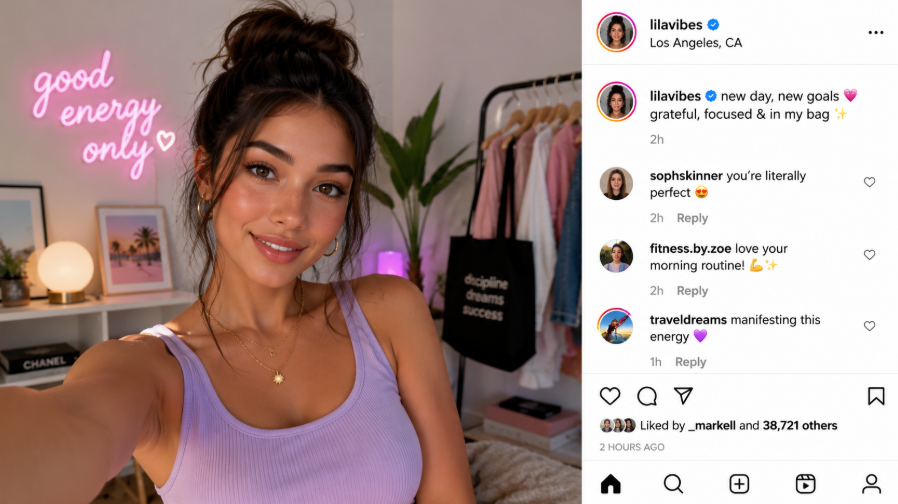
By 2016, all the major social media platforms had started using an algorithmic feed that based content on its relevance instead of recency. Twitter and Instagram also adopted an algorithmic timeline, marking the beginning of a shift in how content was delivered. It was no longer about showing the latest post, but about presenting the user with the most relevant one. With the coming of TikTok, this relevance-based algorithm was taken to another level through its For You page, which delivered to the user even more highly relevant content.
A Focus on Engagement
In 2026, social media algorithms prioritize content that drives a high engagement level, and therefore, you need to understand the top Instagram engagement strategies in 2026. The goal is to maximize the time a user spends on the platform by serving them with content that matches their interest.
Some of the metrics the social media platform considers are:
- Interaction level. Platforms are going deeper than just tracking simple metrics such as likes. Instead, they evaluate the length of time a user spends analyzing content and the interaction depth. That means actions such as saves, shares, and comments have more weight than likes.
- Dwell time. The social media algorithm also tracks the period of time that users spend on a video or a post. If users spend time re-watching and pausing content, the content is rewarded with a higher visibility level.
- Meaningful conversations. The social media algorithms can differentiate between thoughtful exchanges and generic comments. If a thread sparks an active discussion, it is favored highly.
- Completion rate. When it comes to the video platform, the algorithm also considers the percentage of time a user spends watching a video.
However, the data used by the algorithm differs depending on the content format. For instance, platforms that prioritize short-form content prioritize metrics such as re-watches, completion rate, and use of trending sounds. Content that meets this criterion is likely to be pushed on TikTok and Reels.
The algorithm of professional networks, such as LinkedIn, usually gives prominence to engagement in the early hours and niche relevance. That means if a post receives a high number of likes and comments in the first hour, it is pushed to a larger audience. Finally, platforms with a social feed, such as Facebook and X, prioritize interaction, post originality, and the relationship with the post. This ensures that users are connected to their community and personal network.
How to Meet the Needs of the Algorithm
When trying to make the algorithm notice your content, it's important to avoid using manipulative strategies. Instead, make sure you create content that matches the needs of each platform.
You can do that by:
- Capturing your audience’s attention. Social media users scroll fast, so you need to capture their attention fast. Make sure you capture their attention by using strong visuals, like bright colors, subtle animation, unexpected framing, etc.
- Use the right posting cadence. Your posting frequency will impact the performance on each platform. On LinkedIn, one recent post will be more effective than several updates. On X and TikTok, use multiple posts to increase content visibility and test various formats.
- Try a different content format. Accounts with different content formats are favored by the algorithm. Therefore, combine Reels with stories and carousel posts on Instagram. On LinkedIn, combine carousel posts with text posts. On Facebook, combine Reels with text posts, images, and live videos. You can read our comparison of Instagram carousels vs. Reels.
In Conclusion
If you want to increase the visibility of your social media account, you must understand the importance of the social media algorithm. However, you also need to note that it's not static and keeps changing. Therefore, stay abreast of how the algorithms are changing for the best results.


