
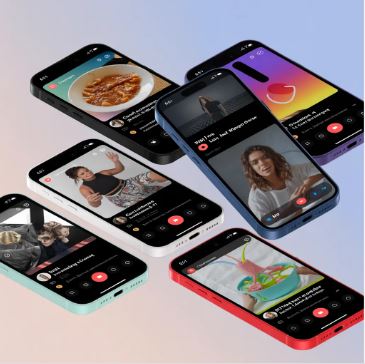
There was a moment—not that long ago—when influencer marketing felt pretty straightforward. You found someone with a clean grid, a nice color palette, maybe a dreamy travel shot. They posted a polished photo. You crossed your fingers. Done!
But short-form videos wandered in and flipped the whole table. Fast clips. Fast voices. Fast stories. People acting like themselves rather than like a brand’s idea of “relatable.” It moved so quickly that traditional photo posts started feeling… slow, almost like they were built for a different internet!
Scroll TikTok or Instagram Reels now, and you can feel the shift in your body. You stop for voices. You stop for motion. You stop for someone who feels like they are talking to you and not to a silent room full of imaginary followers.
Static images just do not hit with the same force anymore. They are still pretty. Still valuable sometimes. But they do not grab you by the collar the way a snappy, chaotic, oddly moving short video can!
So yeah, short-form video content is eating traditional influencer posts. Not in a dramatic “everything is dying” way. More like a slow erosion. A gentle takeover. It is changing how creators show up, how brands measure success, and how audiences connect.
And we are going to walk through why that is happening and what it means if you are trying to stand out in a feed that never stops moving. Let’s kick off with the most obvious thing we all feel when we scroll now!
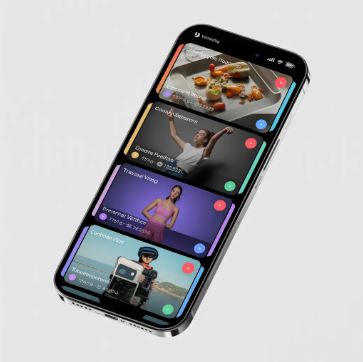
Audiences Want Real Before Perfect
You can feel this shift everywhere. The polished feeds that used to rule Instagram suddenly look like museum pieces. You admire them for a second, then your thumb moves on because nothing happens. No moment. No spark. No person.
Short-form video changed what “real” means online. Viewers want voices. Expressions. Tiny stories. A mistake or two. Something human. Something that makes you think, “Oh yeah, I’ve been there,” even if the clip is only eight seconds long.
Static posts can show you a beautiful version of someone’s life. But short-form lets you feel their life—the messy, funny, slightly chaotic bits. That immediacy is why audiences prefer video. It taps into something instinctive!
Even creators who once lived inside perfect grids started shifting because they could sense it too. Their photos did fine. But their videos—with shaky backgrounds and off-the-cuff lines—blew up way faster. Honestly, it is hard to ignore numbers like that.
This change feels refreshing. A little scary. But mostly refreshing. There is more room to be weird. More room to be you. Less pressure to pretend your whole existence is wrapped in perfect lighting.
Short-form didn’t just change what audiences like. It changed what they trust.
Short-Form Video Gives Influencers a Stronger Persona
A picture can give you a vibe. A video gives you a person! With short-form, you hear their tone. You catch their humor. You see the way they raise an eyebrow when they are joking or how they talk with their hands when they get excited. Those micro-signals matter. They build personality faster than a thousand curated photos!
This is why creators who speak on camera often grow quicker. Viewers get them. Not their outfit. Not their aesthetic. Them!
Traditional influencer posts never had that advantage. They could show beauty, taste, and style, but they could not show presence. Without presence, it is harder to build a loyal crowd. People follow pretty photos, sure. But they return for someone who feels alive in their mind. Someone they hear, not just see.
And once a creator nails that persona, they can pivot topics without losing anyone. The audience sticks around because the creator’s personality becomes the anchor.
Short-form is not just stealing attention from photos. It is handing creators a microphone they didn’t have before!
Brands Get Actual Performance Signals, Not Just Vanity Likes
Short-form completely changed how brands measure influencer success. With photos, brands got likes and comments. Maybe a save. Maybe a swipe-through. Enough to guess whether the audience cared, but not enough to understand how they cared.
Video gives you depth. You see, when people watch all the way through. You see, when they rewind because something hit just right. You see the exact second they drop off. You see whether they share it with friends.
Short-form is like a mini-lab experiment running in public. Every second of the video gives you data. Useful data. The kind that tells you if the creator’s storytelling actually moved someone closer to buying.
Brands love that because it means fewer guesses. They can tell if a creator’s audience is passive or deeply engaged. They can tell which hooks land, which product demos translate, and which emotional tone gets people excited.
This does something else, too. It narrows the gap between organic content and ads. A short video that performs well naturally often performs well in paid placements, too. The signals match.
That closeness is also why disclosure matters. When a creator is paid or gets free products, the video needs a clear label, such as the platform's paid partnership tag or an #ad that viewers can see without tapping "more". The FTC expects it, and audiences forgive a sponsored video far more easily than one that hides it.
Traditional influencer posts never had this kind of transparency. They could look great and still do nothing. Short-form does not hide. It reveals!
Products Come Alive in Video in a Way Photos Cannot Touch
Static posts show the product, while short-form videos introduce the product. There is a difference.
Photos can highlight features. A slick bottle. A crisp outfit. A shiny gadget. But they cannot show movement. They cannot show texture. They cannot show the “ohhh” moment when someone actually uses the thing!
Short-form pulls you into that moment immediately. A creator puts on the jacket and spins in a mirror. They use the blender and laugh because the lid almost pops off. They curl their hair and narrate their panic in real-time!
You witness the product doing its thing. You see how someone reacts to it. You understand how it fits into a real day, not a staged fantasy. That emotional context is what sells.
I once bought a pan because a creator casually flipped an egg in it while joking about being terrible at cooking. The egg did not stick. Sold. No photo could have convinced me that fast.
Short-form makes products feel tried, not just displayed. And honestly, that is what people need now. Proof, not perfection.
Short-Form Video Makes Influencers Feel More Accessible
One of the biggest reasons short-form video exploded is simple. It shrinks the distance between creator and viewer. Photos create admiration. Videos create connections. You watch someone talk through their morning, mess up a transition, lose their train of thought, laugh at themselves, and suddenly, they do not feel like an influencer anymore. They feel like someone you could text!
That illusion of closeness is powerful. It makes viewers more willing to trust recommendations. It makes them more likely to check back for new posts.
It builds a tiny emotional bridge that photos rarely manage on their own. A beautifully curated shot might impress you, but a quick clip of someone sharing an honest moment pulls you closer!
Creators feel the difference, too. Many of them say they finally “found their people” after switching to video. The audience suddenly talks back. They ask questions. They share similar stories. They push the creator into new conversations. That back-and-forth is the start of an actual community instead of a quiet collection of likes!
Honestly, once creators feel that connection, it is hard for them to go back to silent grid posts. Video gives them what photos never did—a sense of being seen in return.
Video Lets Influencers Try More Ideas Without Ruining Their Feed
Remember when influencers stressed over their grid aesthetic. Every color needed to match. Every corner had to be clean. Every photo had to “fit.” One off-brand post could throw the entire vibe into chaos! Short-form video broke that expectation.
Videos do not need to match. They just need to feel right. You can test ten ideas in a week without blowing up your brand identity. You can try a new tone. A new edit. A new hook. A new story. If it flops, it disappears into the feed in a day. If it hits, you repeat it.
This freedom changed how creators experiment. They spend less time getting the perfect shot and more time getting the right message. More time observing reactions. More time learning what their audience wants right now, not what the grid aesthetic wants.
Plus, video makes pivots easier. If you want to talk about wellness after starting in fashion or flip from comedy to cozy lifestyle, you can do that in a video because your personality acts as the glue. Your viewers follow the energy, not the arrangement of tiles on your profile.
I think that is why creators feel more relaxed these days. Their identity is not locked into three perfectly aligned rows anymore. They get to play!
Short-Form Encourages More Authentic Storytelling
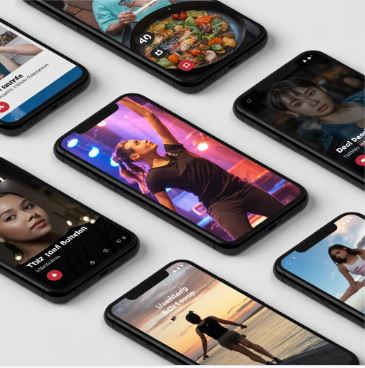
There is something about a video that nudges people into telling the truth. Maybe it is the pace. Maybe it is the tone. Maybe it is simply seeing your own face while you talk. Whatever it is, storytelling just flows differently when a creator hits record.
You get little confessions. Quick life lessons. Random thoughts that would never fit in a static caption. Tiny stories told mid-coffee-sip. Those moments feel real in a way written posts never manage.
Short-form also lets creators deliver emotion with nuance. A pause. A smile. A sigh. A sarcastic eyebrow raise. These micro-expressions turn basic product recommendations into mini-narratives. Suddenly, it is not “this serum is good.” It is “here is the exact morning I realized this serum worked,” and you can see the excitement on their face!
Stories land differently when you hear them in someone’s voice. When you see the environment they are in, when they show you something instead of typing it, the result is more persuasive content—without the creator feeling like they are selling!
Algorithms Actively Push Video, So Creators Follow the Energy
We all pretend we create only for joy, but the truth is we create for reach, too. And platforms right now are extremely clear about what they want: videos. Short, punchy, watchable video.
TikTok set the tone. Instagram followed. YouTube jumped in with Shorts. Even Pinterest, of all places, started boosting video content. If influencers want visibility, they go where the algorithm points.
That shift affects creators whether they like it or not. If videos get two to five times the reach of photos, then you either move with that trend or you fall behind creators who do. Even those who swore they would “never be video people” eventually give in because the numbers speak loudly!
This does not mean static posts are worthless. Far from it. They still work for certain formats—fashion shots, detail-focused products, mood-setting moments. But as a growth engine, photos cannot keep up with the velocity of video!
Creators follow momentum. Algorithms hand it to video. The rest is predictable!
Brands Shift Budgets Toward Video Because It Feels Closer to “Real Advertising”
Brands love things they can measure, and they love content that mirrors what ads already look like. Short-form video does both.
A photo might influence someone emotionally, but a video can demonstrate a product the way a commercial does. You see it move. You see, it solves a problem. You see how someone reacts. It feels closer to a real endorsement instead of a curated placement!
When brands run influencer ads (also called whitelisting or boosting), short-form performs significantly better. It slots easily into the feed and mirrors native user behavior.
It feels like content, not a billboard. Brands get lower cost-per-view, higher watch time, stronger engagement—basically every metric swings upward!
So naturally, budgets follow the performance. More brands request video. More briefs center around storytelling. More deliverables include hooks like “show how you actually use it” or “film your real reaction.”
Static posts still have a place for big campaigns and brand-building moments, but they are no longer the centerpiece. Video is, because it is closer to what ads are supposed to do—make people care fast!
Short-Form Video Lowers the Pressure to Be Perfect
Traditional influencer culture had this unspoken rule. Everything needed to look intentional. The outfit. The backdrop. The pose. The lighting that somehow made skin look glazed and poreless. Even the “candid” shots were staged. You could feel the effort dripping off the glass.
Short-form broke that spell. It lowered the bar in the best way. You can film from your car. Your kitchen. A hallway. While walking your dog. Viewers do not care. They care about the feeling. The spark. The quick hit of a story that makes them nod or laugh or think, “Yeah, same honestly.”
The looseness is freeing. Influencers do not have to pretend their life is a constant glossy montage. They can show up tired. Excited. Rambling. Human. And the audience loves them for it.
This “casual first” energy is why video took over so fast. It rewards presence rather than polish. And once creators feel that freedom, it is almost impossible to go back to perfection-heavy content that sucks up hours just to feel less alive!
Even brands started catching on. They now happily ask for videos filmed on a phone because they realized viewers trust that more. Imperfection is not a flaw anymore. It is the point.
Short-Form Opens Doors for New Creators Who Never Fit the Old Mold
There was a time—not long ago—when you basically needed to look a certain way or live a certain kind of life to grow on platforms dominated by photos. The “Instagram look” was real and limiting.
Short-form video blew that door wide open. Anyone with personality and a camera roll full of half-baked ideas suddenly had a fighting chance. You did not need a designer wardrobe or a curated home.
You needed a voice. A perspective. A joke. A take!
This shift created a more interesting influencer landscape. Teachers. Parents. Students. Care workers. Introverts. Nerds. People with niche hobbies. People with real struggles. People who never wanted to pose on a beach but have a lot to say.
The barrier to entry dropped because video rewards authenticity more than aesthetics. You can grow by talking while you fold laundry. Or while you walk to your bus stop. Or while you ramble about something oddly specific, like why one pen writes better than every pen ever made.
Short-form made the influencer world more democratic. More chaotic. More human. And honestly, way more fun!
Creators Gain More Control Over Their Narrative
Photos leave a lot unsaid. They show a moment but not the meaning behind it. A picture of a smoothie bowl tells you nothing about the person who made it or the day they are having. Viewers have to fill in the blanks, and they often fill them in wrong.
Short-form lets creators take control. They decide the tone. The pacing. The story running underneath. They can show you the truth behind the cute moment or the joke behind the pretty setup. They can reveal the context that photos always hide—like the chaos just out of frame or the reason they love the product they are holding!
This control matters. It is how creators build trust. When you hear someone explain something in their own voice, you do not have to guess their intention. You feel it. You understand the mood. You follow the arc.
That transparency breaks down the pedestal effect that traditional influencers were trapped on. They become narrators instead of models. Guides instead of glossy surfaces. And that shift is why short-form feels so much more intimate than old-school posts ever did!
Brands Shift Long-Term Strategy Toward Creator-Driven Storytelling
The more short-form takes over, the more brands realize they do not just need “placements.” They need creators who can tell miniature stories that actually land. Stories that show the product doing something. Solving something. Fitting into a moment someone might actually live through!
This changes everything about influencer strategy. Brands now look for storytellers, not just aesthetics. They search for tone matches, not follower counts. They brief creators differently. Less “make this look pretty” and more “show us how this feels in your world.”
Short-form also blends seamlessly into performance marketing. A good influencer video becomes a good ad almost instantly. With the creator's permission, you can boost it, turn it into a Spark Ad, run it in paid campaigns, and watch it outperform polished commercial footage by a mile.
So traditional posts become a supporting character now, not the lead. They help with branding. They give campaigns structure.
But the heart of influencer marketing—the part that actually moves people—is happening in short clips where creators talk, react, and show the thing in action! Short-form storytelling is the strategy now. Everything else sits around it!
Conclusion – Mastering Short Form Video Content
Short-form video did not kill traditional influencer posts. It just grew bigger, louder, faster—until the center of gravity in creator culture shifted!
Influencers used to focus on aesthetics. Angles. Lighting. Perfectly edited captions. Now the winning formula is presence. Personality. Voice. Small stories told quickly. Imperfect moments that feel like real life instead of stage lighting!
Brands benefit because they finally get clarity. Not just who liked something, but who watched, who cared, who stayed for the story. Creators benefit because they get to be themselves instead of picture-perfect characters, and audiences benefit because the content feels human again!
This shift is not slowing down. If anything, short-form will keep carving out more space until traditional posts become the exception, not the core of influencer content.
Photos still matter, sure. They are great for branding and good for aesthetic storytelling. But they no longer carry the weight they once did!
So if you are an influencer, lean into your voice. Share stories. Show the messy bits. If you are a brand, look for creators who can talk, not just pose. And if you are just someone scrolling with half a thumb’s attention—well, short-form is not going anywhere!
You may as well enjoy the ride!


