
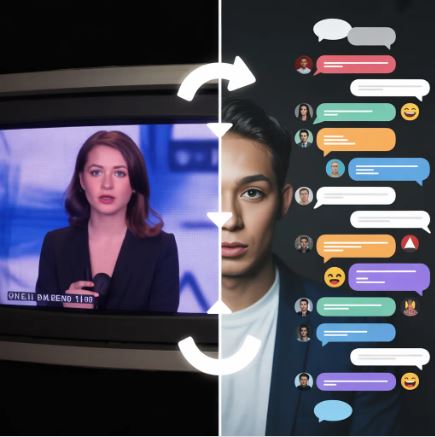
Marketing used to be loud. One message. One direction. Shout it out and hope someone listens! That worked for a long time. Brands posted. People scrolled. Metrics rolled in. Reach felt like the goal. Conversations were optional. Then things shifted.
Feeds got crowded. Attention dropped. Trust thinned out. People stopped engaging publicly the way they used to. Likes became lazy. Comments became rare. Everything moved faster, but felt emptier. That is when messages started moving private.
Direct messages or DMs quietly became the place where real conversations still happen. Less performance. Less noise. More honesty and context.
I noticed this myself when public posts started underperforming, but inbox replies kept growing. Short messages. Real questions. Actual back-and-forth. It felt different and better.
This article breaks down why DM-first marketing is taking over, what changed in audience behavior, and why conversations now outperform broadcasts. Not theory. Just what is actually happening on social platforms right now?
Let’s start with what broke first!

Public Feeds Feel Crowded and Performative
Public feeds do not feel like safe spaces anymore. They feel like stages. Everyone knows they are being watched. Algorithms. Employers. Friends. Strangers. That awareness changes behavior. People engage less. They think more before reacting. They scroll instead of participating.
This is not because people do not care. It is because public interaction carries weight now. Saying the wrong thing can spiral, and even liking the wrong post can feel risky, so people pulled back!
You still see content and consume it. But you hesitate to engage publicly, especially with brands. I think this is why comments dropped across platforms. Not because content got worse, but because the cost of being visible went up.
DMs feel different, quieter, and less exposed. You can ask a question without performing. You can admit confusion. You can be human. When public feeds feel like billboards, private messages feel like conversations again.
Audiences Want Interaction, Not Announcements
Broadcast marketing assumes people want to be told things. DM-first marketing assumes people want to talk. That difference matters.
Audiences today do not want another announcement post. Another launch graphic. Another polished caption explaining how great something is. They want relevance, context, and a sense that someone is actually listening.
Direct messages allow that. Instead of “Here is what we offer,” the conversation becomes “What are you looking for?” Instead of pushing links, brands ask questions, then respond based on the answer.
That feels personal, even when it is scaled carefully. This is why DM campaigns convert better than expected. They feel less like selling and more like helping, even when the outcome is the same.
When someone chooses to open a DM, they are opting into interaction. That opt-in changes the energy immediately. You are no longer shouting into a crowd. You are talking to one person who raised their hand.
Algorithms Quietly Favor Private Engagement
This part often gets missed. Platforms track more than likes and comments. They track saves. Shares. Profile taps. Message activity. All the quiet actions people take when something matters to them.
DMs signal intent. When someone sends a message, it tells the platform that the content sparked real interest. Not passive scrolling. Active response. That signal is strong.
This is why many platforms now encourage creators and brands to “DM us” or use comment-to-message features. It keeps users inside the app longer and deepens engagement.
From the platform’s perspective, private conversations are sticky. They create habits and bring people back. I think brands tapping into DM-first strategies are aligning with how platforms want users to behave. Less noise. More interaction. Longer sessions. Public engagement might look impressive, but private engagement actually moves the needle!
DMs Lower the Barrier to Asking Real Questions
Asking questions publicly feels intimidating for many people. You worry about sounding uninformed. You worry about judgment. You worry about being ignored. So you stay quiet.
DMs remove that friction. In a private message, you can ask the thing you really want to know. Pricing. Fit. Process. Timing. Concerns you would never type in a comment.
This is especially true for high-intent interactions. Services. Coaching. Consulting. Anything that involves money or personal context.
I have seen people who never comment publicly send long, thoughtful messages privately. Pages of context. Real needs. Clear interest. That depth rarely shows up in public threads.
DM-first marketing works because it meets people where they feel comfortable being honest. That honesty leads to better conversations, and better conversations lead to better outcomes.
You are not guessing what people need. They are telling you directly!
Brands Are Designing Content to Move People Into DMs
This shift did not happen by accident. Brands started noticing that their best conversations were happening after the post, not on it. Instead of trying to squeeze every detail into a caption, brands now design posts with one quiet goal. Start a conversation somewhere more private. The post becomes an invitation, not the full message.
You see this everywhere now. “Comment ‘guide,’ and I will send it to you.” “DM us for details.” “Message me if this sounds like you.” These are not gimmicks. They are intentional handoffs from public space to private space.
This works because it lowers pressure. You are not forced to engage publicly. You are not committing to anything. You are just opening a door, which feels easier.
I think this is why these posts perform well even when likes look average. The real action happens off the feed. Quietly. Where metrics are harder to screenshot but far more meaningful.
DM-first marketing changes how brands think about content. Posts are no longer endpoints. They are starting points!
Direct Messages Create a Feedback Loop Broadcast Never Could
Broadcast content is one-way by design. You post. People react, or they do not. Feedback is limited to likes, comments, or silence. DMs change that completely.
When someone messages you, they often explain why. What confused them. What caught their attention. What they need next. That context is gold.
Over time, patterns emerge. The same questions show up again and again. The same objections. The same misunderstandings. Suddenly, your marketing writes itself.
I think this is one of the most underrated benefits of DM-first marketing. It turns your audience into collaborators. They tell you what to clarify, what to emphasize, and what to stop saying.
I have seen brands completely reshape their messaging after reading weeks of inbox conversations. Not because analytics told them to, but because real people did.
Broadcast tells you what was performed. DMs tell you why!
Trust Builds Faster in One-on-One Conversations
Trust does not scale well in public. In comments, tone gets misread. Context gets lost. Responses feel generic because they have to be. Everything is visible. Everything feels permanent.
In DMs, trust grows faster because the environment feels safer. You can respond thoughtfully. Ask follow-up questions. Adjust your tone. Admit uncertainty. That flexibility matters.
People are more willing to share real concerns privately. Budget limits. Past bad experiences. Doubts they would never post publicly. That honesty changes the conversation.
This is why DM-first marketing works especially well for services and high-consideration offers. Trust is not rushed but built through back-and-forth.
When someone feels heard, not handled, conversion stops feeling like a push. It feels like a natural next step!
DM-First Marketing Shifts the Definition of Success
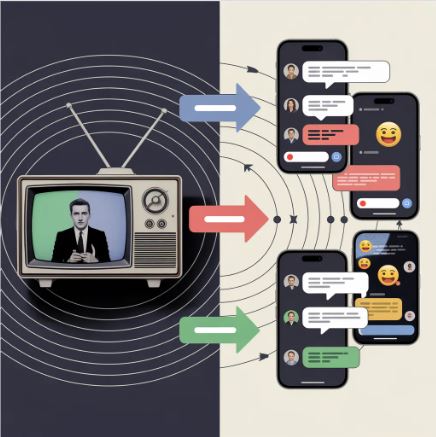
When brands move into DMs, metrics need to change, too. Likes and reach stop being the main scoreboard. Instead, success looks quieter. Replies. Ongoing conversations. Message threads that last days instead of seconds.
This can feel uncomfortable at first. You lose public proof. There is less to show in reports. Fewer vanity numbers to celebrate. But what replaces them is substance.
A single meaningful DM can be worth more than hundreds of passive likes. One real conversation often leads to clearer outcomes. Sales. Partnerships. Long-term relationships.
I think brands that struggle with DM-first strategies often struggle because they still measure success like broadcasters. They want loud signals for something that works best quietly! Once expectations shift, the value becomes obvious.
Scaling DMs Without Losing the Human Feel
This is a big concern, and it is valid. As DMs grow, responding personally becomes harder. The fear is turning conversations into scripts. Or worse, bots that feel cold and transactional.
The brands doing this well treat DMs like guided conversations, not automated funnels. Templates help, but they are flexible. Automation handles sorting and timing, not empathy. Humans still step in when nuance matters.
I think the best approach is layered. Simple questions get quick responses. Complex needs get slower, more thoughtful replies. Not everything needs the same depth.
Scaling does not mean removing humanity. It means protecting it by using tools carefully. When done right, people still feel like they are talking to a person, even inside a system!
DM-First Marketing Changes How Brands Think About Funnels
Traditional funnels are neat on paper. Awareness at the top. Consideration in the middle. Conversion at the bottom. Broadcast content feeds the top, then slowly pushes people down.
DM-first marketing bends that shape. Instead of moving people through stages publicly, brands invite them into a private space much earlier. The funnel collapses into a conversation, one that can jump stages quickly depending on intent.
Someone might see one post, send a DM, ask a direct question, and convert within minutes. No long nurture sequence. No drip emails. Just relevance meeting timing.
This forces brands to rethink messaging. You cannot rely on generic awareness content alone. You need clarity fast. You need answers ready. You need to listen before you respond.
This is why DM-first marketing feels uncomfortable for teams used to control. Conversations do not follow scripts. People skip steps. They ask unexpected things.
But that chaos is also efficient. When someone enters your DMs, they are already signaling interest. The funnel narrows itself! Marketing becomes less about pushing people forward and more about meeting them where they already are.
DM-First Strategies Reward Brands That Listen
Listening sounds obvious. It is not practiced nearly enough. Broadcast marketing allows brands to talk without interruption. DM-first marketing does not. People respond. They question. They challenge assumptions. They clarify their needs.
Brands that succeed here treat DMs as a listening channel, not just a response channel. Over time, patterns emerge. The same confusion points. The same hesitations. The same phrases people use to describe their problems. That language is priceless.
I think this is where DM-first marketing quietly reshapes brand voice. Messaging becomes sharper because it mirrors how people actually speak, not how marketing teams think they speak.
You stop guessing what resonates. Your audience tells you directly. Repeatedly. Sometimes, bluntly. Brands that ignore this feedback miss the point. Brands that document it, learn from it, and reflect it in content gain an edge that is hard to copy.
Listening turns marketing into dialogue instead of performance.
Privacy Expectations Are Making DMs Even More Powerful
Public spaces online feel tense right now. People are cautious. Screenshots travel fast. Context disappears quickly. Privacy feels safer.
DMs benefit from that shift. They feel temporary, even when they are not. They feel contained and less exposed. That changes behavior.
People ask things in DMs they would never comment publicly, especially about money, uncertainty, and personal situations. This trend will only grow. As audiences become more aware of digital footprints, private channels gain value.
Brands leaning into DM-first strategies are aligning with this reality. They are not forcing public engagement. They are offering quieter ways to connect!
That respect builds trust. When a brand makes it easy to ask without being seen, people lean in. They feel understood and safer exploring options.
Privacy is not just a feature. It is part of the value proposition now!
DM-First Marketing is Not a Tactic, It is a Mindset Shift
This is the part that gets misunderstood. DM-first marketing is not about adding “message us” to every post. It is not about flooding inboxes with auto-replies. It is not about replacing content with conversations.
It is about how brands think about attention. Instead of chasing reach, they prioritize relevance. Instead of broadcasting perfection, they invite dialogue. Instead of controlling the narrative, they participate in it.
This requires patience. Conversations take time. They do not scale like ads. They demand presence. Brands that struggle here often want the benefits without the behavior change. They want higher conversion without deeper engagement. That rarely works.
DM-first marketing rewards brands willing to slow down in the right places. To show up. To respond thoughtfully. To let conversations shape strategy.
It is not louder marketing. It is closer marketing.
Conclusion – DM-First Marketing Strategy
Marketing did not stop working. Broadcasting did. Feeds are crowded. Attention is thin. Public engagement feels performative. People still want connection. They just want it somewhere quieter.
DM-first marketing fills that gap! It turns posts into invitations. Conversations into insight. Private messages into trust-building moments. It replaces one-way announcements with a two-way exchange.
This shift is not about abandoning content. It is about rethinking its role. Content opens the door. DMs do the real work.
Honestly, the brands winning right now are not the ones shouting the loudest. They are the ones listening the closest. Responding the fastest. Adapting the quickest.
If you are exploring this shift, start small. Invite conversation gently. Pay attention to what shows up in your inbox. Let those messages teach you.
From broadcast to chat is not a downgrade. It is an evolution. And for audiences tired of being talked at, it feels like a relief!.


