YouTube has created an avenue for creators to earn from their videos. As many YouTubers that join the platform are already aware that YouTube pays per view. The main question in their minds is: How much does YouTube pay per view? This article will answer this question and provide all the details about YouTube monetization.
How Does YouTube Pay?
As mentioned earlier, YouTube pays per view. At least many YouTubers understand this to be among the basics of YouTube. However, it's important to clarify that it doesn't pay per video view but per ad view. That means that even if your video has 1 million views but only 10K ad views, you will be paid according to the 10k ad views and not the 1 million video views. Likewise, you will not be paid a dime if your video has no ads and receives 1 million views.
This is understandable because YouTube makes money from ad revenue. Therefore, if nobody views ads on your channel, they are not making any revenue. On the other hand, if you grow your YouTube channel to the point that your video generates ad revenue for them, they share the earnings with you.
Eligibility for Earning on YouTube
You need to join their partner program to start earning money with YouTube. You also need to have your YouTube account verified.
YouTube verification
YouTube verification informs the world that they have verified you and who you claim to be. The simplest way of getting verified is through your phone number. This method sends a code to your phone, which you're supposed to enter on YouTube. After verifying your phone number, you will unlock several YouTube features, such as:
- Ability to upload videos longer than 15 minutes
- Upload custom thumbnails
- Run YouTube live streams
- Appeal content ID claims
To confirm your YouTube account is verified, go to Settings, Account, and then Channel Status and Features. If you see the Green tab enabled, your account is verified.
Another YouTube verification method is to get the official YouTube verification badge. This can be seen by a gray tick or music note next to the channel name. You will see that verification badge if you watch the channels of big personnel or entities such as the BBC. This tells the viewers that they are on the creator's official site. The requirement for this verification is to hit 100K subscribers.
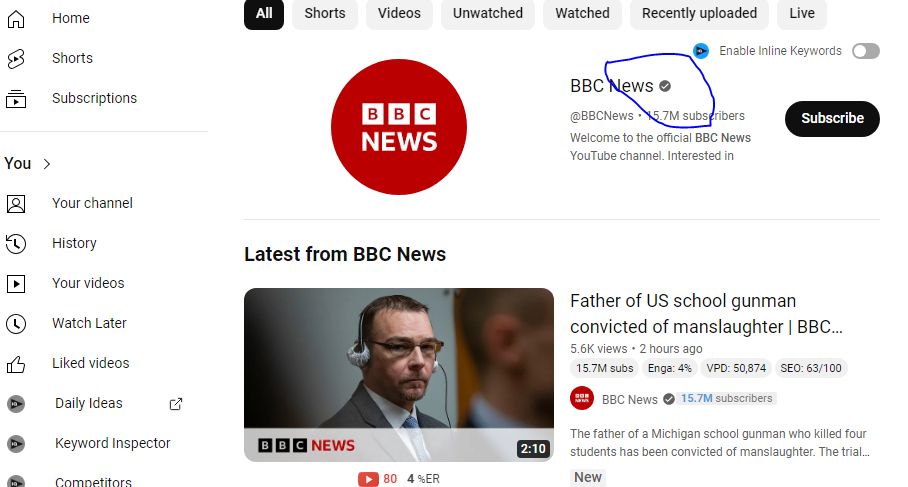
Here are the steps to follow to get the official YouTube verification badge:
Go to the application page. You will see whether you are qualified or not. If you are not qualified, you will see a message reminding you to return when you hit 100k subscribers.
- Complete an application form. If qualified, you should fill out an application form, including your channel name and ID.
- YouTube verification. After you have applied, you should wait for YouTube to verify your details. This can take several weeks, and the platform will consider several factors, such as the age of your channel. You may also be required to provide additional details to prove the legitimacy of your channel.
Requirements for Joining the YouTube Partner Program
There are several requirements before you can join the YouTube partner program. These are:
- Be compliant with YouTube's channel monetization policy.
- Be living in a country where YouTube monetization is available.
- Have no strikes on your channel.
- Have turned on the two-factor authentication on your Google account.
- Have access to YouTube's advanced features.
- Have an active AdSense account or set up one if you don't have one.
Conditions for Eligibility to the YouTube Partner Program
Whether you are a creator of YouTube short or long-form videos, you need to meet one of the following conditions before you can qualify to join the YouTube partner program:
- Have at least 1000 subscribers and a minimum of 4000 valid watch hours in the last 12 months.
- Gained at least 1000 subscribers and 10 million valid public views for short videos in the last 90 days.
Since 2023, there is also a lower entry level in many countries. With 500 subscribers, three public uploads in the last 90 days and either 3,000 watch hours in the last 12 months or 3 million Shorts views in the last 90 days, you can join the program and use fan funding features like channel memberships, Super Thanks and Super Chat. Ad revenue still needs the full requirements above.
YouTube Monetization Options
Once qualified for the YouTube partner program, you must understand the different YouTube monetization options. These are:
- Ad revenue. To qualify to earn the ad revenue, you should be at least 18 years of age. Your content should also be advertiser-friendly. If you are making controversial content, YouTube may be uncomfortable running ads on your content.
- YouTube premium revenue. When a YouTube premium member watches your videos, you can earn a part of their subscription fees.
- Channel membership. This is another earning method for selling your channel membership to your subscribers. In other words, your fans choose to pay you an extra amount. You need to be in the YouTube Partner Program and at least 18 years old to use it.
- Merchandise shelf. You can start selling through the merchandise shelf if you are in the YouTube Partner Program and over 18.
- Super chat earning. Another earning method is allowing your fans to have their messages highlighted in a live chat or live stream. To monetize your channel through this method, you should be above 18 and live in a country where this monetization method is available.
We recommend you read our guide on making money on YouTube with CPA.
How YouTube Determines Creators' Ad Revenue
Now, let us get to the nitty-gritty of how much YouTube pays. According to the YouTube page, there is no guarantee of how much you can make from YouTube or even whether you will get paid. There are different factors affecting your earning potential. These include:
- Ad Watch through rate. Where a viewer watches less than 30 seconds of an ad, that doesn't count as a view.
- Location. The cost per thousand views on YouTube is also dependent on the region. For instance, a YouTuber in Sweden will likely earn more than another in India. The reason is that advertisers pay more to reach viewers in some countries than in others.
- Competition. If there is competition between advertisers on YouTube, this will result in a high bidding process and a higher CPM.
- Available ad format. Different ad formats usually get better views than others, resulting in different CPMs.
You can view the revenue share of your category by checking the revenue sharing agreement on YouTube Studio under Agreement. This also enables YouTube to choose the earning module you want to participate in.
Revenue Sharing Rates of Different Modules
After ranking your YouTube videos and qualifying for monetization, here are the different revenue-sharing modules you need to be aware of:
Commerce Product module (CPM)
This monetization module allows you to earn from the YouTube fan funding feature. Under this module, you are paid 70% of the net revenues you receive from Super chats, Super Thanks, SuperStickers, and channel membership. You should accept the CPM and turn on the individual feature to join this earning module.
Watch Page Module
The YouTube Watch Page module pays 55% of the net revenues from ads in your public videos. These ads will play before, during, or even after the content. When a YouTube premium subscriber watches a video on your channels, you will also qualify to earn.
The watch page refers to long-form content on YouTube, YouTube Music and YouTube Kids. When you increase your YouTube views, you can earn more with this module.
Short Monetization Module
YouTube pays 45% for the short-form content allocated to you, depending on your share of revenue from the creator pool. The revenue from short-form videos is divided between music licensing and creators. The ad revenue from shorts starts accruing when you enroll in the program and accept the terms.
How Much Does YouTube Pay Per View?
As we have discussed, many factors determine how much YouTube pays. You can use the Adsense Earning calculator to determine your potential earnings. While the figure you get depends on your industry and niche, the calculator can give you a good idea of how much you expect to earn.
Many YouTubers in the United States report earning roughly $0.01 to $0.03 per view, which is $10 to $30 per thousand views. Again, this is only a rough number, and the actual earnings depend on the factors we listed above.
Final Thoughts
YouTube has created a great way for content creators to earn income from creating great YouTube videos. This is why most of them want to know how a YouTuber starts getting paid after how many views. If that is your question too, our guide has helped answer it. With this knowledge, you can now focus on increasing your views and subscribers.