
While influencer marketing has been around for some time now, what has changed is how it is done. From the shift from follower count to engagement to the rise of virtual influencers, influencer marketing has undergone significant changes. Unlike in the past, authenticity is now taking center stage instead of the former traditional, well-curated content.
Interest today is more driven by relatability and the internet, while social media algorithms are prioritizing the kind of content that users watch, engage with, and save more. These changes have resulted in audiences focusing more on trusted creators, niche communities, and content that feels authentic. That means if influencers and brand collaborations are to bear fruit, there is a need to understand the influencer marketing trends and how to take advantage of them.
Trends Driving Influencer Marketing in 2026
Before we look at the future of influencer marketing, it's important to understand the trends already driving it in 2026. These are:
A Shift from Mega to Micro and Nano Influencers
There was a time when brands would check the number of followers a creator had to determine if they were a good match for them. It was assumed that the more followers they had, the higher their reach was. And that was understandable, considering that the algorithm also rewarded creators with a high number of followers with greater visibility.
However, in 2026, many social media algorithms now prioritize engagement over follower count when recommending content to users. In fact, reports indicate that influencers with a large following often have lower engagement. This is because the larger the number of followers, the less people care about the influencer and their content.
On the other hand, micro and nano influencers often have a more engaged, more aligned, and more focused following. This level of alignment enables them to increase the level of trust and drive action. As noted earlier, this high engagement is rewarded by social media platforms, as more watch time, shares, saves, and engagement rate are treated as more valuable signals compared to passive reach and impressions. Working with micro-influencers is therefore one of the Instagram engagement strategies to consider.
Nano influencers with fewer than 10,000 followers usually see much higher engagement rates than macro influencers, especially on TikTok. Most influencers on Instagram are nano influencers. This is understandable, as the smaller creator has a genuine relationship with their audience. When they recommend your brand, their followers feel like they are getting a recommendation from a friend rather than an ad.
Additionally, cost is another factor, as micro-influencers are more affordable than macro creators. Therefore, in 2026, influencer marketing shouldn't be about reaching many people but should be about connecting with the right audience, who genuinely care about their products.
A Focus on User-Generated Content
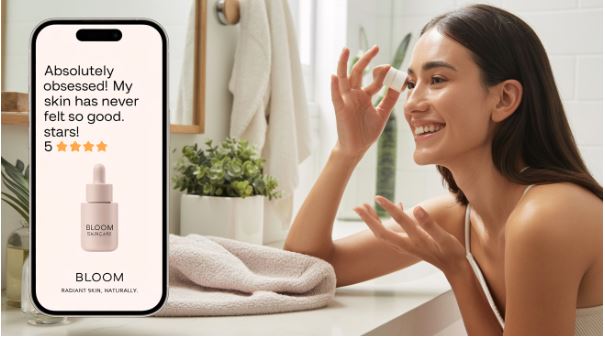
One of the content formats that is driving engagement on social media is user-generated content, making it a key part of influencer marketing. This is one of the social media marketing trends beyond 2026 that has arisen as a result of the need for authenticity. Unlike in the past, social media audiences are now more cautious of scripted and overly polished brand endorsements; such content feels staged, causing distance instead of a connection. On the other hand, when social media users create content on behalf of a brand, it feels more authentic, and the message feels more trustworthy.
This means there is a need for brands to change their mindset. Instead of controlling the details of the creator’s content, they need to give them the freedom to do what they do best. Instead of treating creators as distributors, they should treat them as collaborators.
A Focus on Long-Term Relationships
There was a time when influencer marketing involved sponsoring a one-off post. However, it got to a point where brands discovered that this would give them an instant rise in visibility and engagement before dying off. This has, therefore, led to the shift from one-off posts to long-term collaborations. This is more effective because when an influencer advocates for your brand in several posts for a number of months, it feels more genuine to the audience than a one-off ad, though every sponsored post still needs a clear disclosure. This trust signal is also rewarded by the algorithm, making brands getting repeated mentions by influencers get a higher reach than an isolated post.
The report indicates that 67% of brands now collaborate with micro-influencers regularly. The businesses that get positive results are those that use campaign-based marketing instead of traditional brand ambassador relationships.
However, before you commit to a long-term relationship with an influencer, you can begin with two or three posts. You can then track the engagement rate and conversion of each post. When you feel satisfied with the numbers, you can commit to a long-term relationship.
The Future of Influencer Marketing
So, what will drive influencer marketing in the future? Here are a number of future trends to watch:
The Rise of Virtual Influencers
While virtual influencers have been around for some time now, this has led to questions about whether they are here to stay or are a passing fad. Before we answer that question, let us explain who these are. Virtual influencers aren't real people but digital personalities that are computer-generated and only exist on social media.
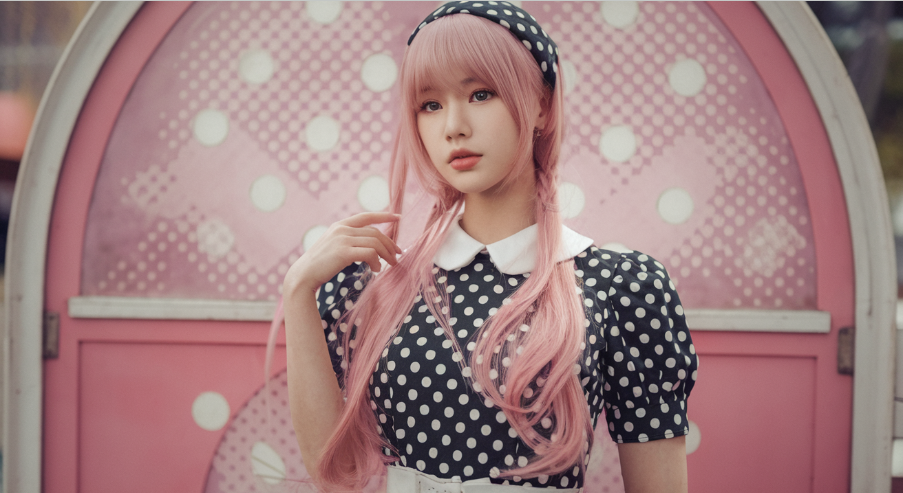
While they don't have human characteristics, they have realistic-looking personas and are often created and managed by AI agencies. Some brands also create their own brand-specific virtual influencers who act more like a mascot or brand spokesperson. While these virtual influencers began as experimental characters, they have evolved into a cultural force with a huge following. What is even better is that this evolution isn't complete yet. In the next decade, we are going to see a transformation of these virtual characters in different ways, such as:
- Live streaming by a virtual character. The combination of real-time language models, animations, and voice synthesis is opening up the possibility of streaming by AI models. This will evolve the virtual influencers into genuine characters with a relationship with their audiences.
- Hyper-realistic characters. AI image generation has improved a lot from the days when it would create humans with many hands. Today, the gap between real photos and AI images is reducing, and many tools are now effectively maintaining character consistency. When this is combined with enhanced video generation capabilities and real-time generation, it will result in hyper-realistic virtual influencers that look exactly like humans.
- Multimodal AI persona. In the future, the influencers are likely to work seamlessly across images, audio, and videos. This will enable them to operate across multiple channels.
AI and Data-Driven Influencers
According to reports, 86% of influencers are now using AI to brainstorm, edit, or even produce content. On the side of the brand, AI tools are helping them to cut some of the most time-consuming tasks, such as finding influencers and tracking engagement.
Therefore, AI is transforming how brands identify, analyze, and even manage their relationship with influencers. Due to the ability of AI to analyze large datasets, these tools have made it possible for brands to find influencers whose whole audience matches their brand goals.
This matters for several reasons, such as:
- Better discovery and vetting of influencers.
- Improved tracking of ROI.
- Better tracking of your campaign performance.
For instance, platforms like CreatorIQ and Upfluence are now using AI data analytics to ensure that brands are matched with the right influencer and that campaign strategies are already well optimized. If you are a brand running a campaign consisting of over 20 creator partners at the same time, you can use the AI platform to save time.
A Focus on Social Impact and a Sustainability Campaign
In recent years, brands have been collaborating with influencers to ensure social responsibility and sustainability. This matters because it helps derive a positive brand image, drive change, and align with conscious consumers. For instance, the Patagonia brand partners with influencers who are eco-conscious to drive awareness of the environmental sustainability of their brand.
This strategy works for several reasons, such as:
- Conscious consumption. Around 86% of consumers say they want to work with brands that have a stand on social issues and sustainable, ethical practices.
- Community activation. Hashtag challenges on social media platforms like Instagram and TikTok can track brands that engage in sustainable practices.
- Relatable narrative. Eco influencers can show the impact of eco-friendly products on our environment, something that many users can resonate with.
A Focus on Performance-Based Influencer Marketing
The competition among creators is growing, meaning that brands are now spoilt for choice on the influencers to work with. According to one study, 74% of brands now prefer performance-based influencer marketing as it enables them to focus on their sales and not just impressions. This means that brands are now using attribution models to attribute the creators' content to revenue. They can do that using trackable links, affiliate program integration, and discount codes.
In Conclusion
Like other social media areas, influencer marketing is an ever-evolving field. Unless you understand what is working and what isn't, it can be hard to get results with your strategy. Therefore, take note of the above influencer marketing trends to stay ahead of the competition.


