
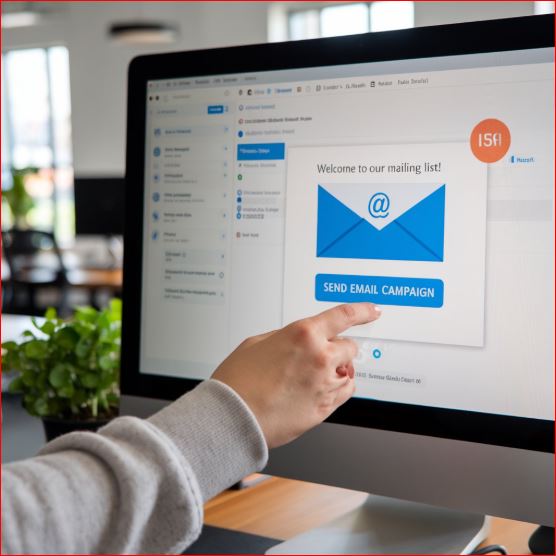
With such high competition in the market, personalized messages and campaigns play a pivotal role in consumer marketing. Email marketing often converts better than many other channels, and customers tend to like it when the messages are relevant. It offers multiple features now, such as polls and surveys, which help engage the audience with your content copy.
However, given the fast-paced nature of modern-day business, manually sending emails, following up, and analyzing the click-through or engagement rate is extremely counterproductive. Here is where email marketing shines, along with the automation of other marketing efforts.
Most email marketing platforms integrate other social media forums as well, opening doors to a collaborative yet automated effort that saves time. This article is an extensive guide on how you can automate marketing, saving cost and time, and the benefits your business can reap by doing so.
Email Marketing Automation
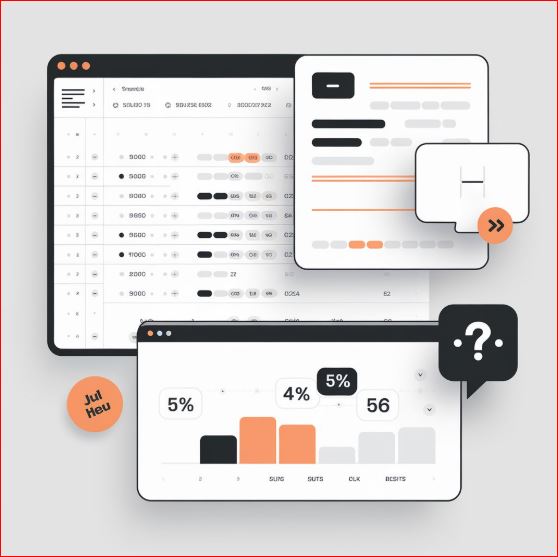
Email marketing automation has emerged as one of the most powerful marketing tactics. With the right subject line and content, email marketing can help target the right audience and convert them into a customer. It is also helpful in establishing and maintaining a relationship with customers through frequent communication.
Gone are the days when people logged into computers to open and check emails. Thanks to the mobile version of email apps, people now receive business emails directly on their phones. This makes it convenient to check and it, therefore, results in a higher click rate, engagement, and successful call-to-action.
Automating the entire process ensures that companies don’t miss any activity of a customer and can readily reach out to a lead. It would be costly and time-consuming for businesses to track each customer activity and respond accordingly. Automation tools make this task doable for marketers without requiring too much time or effort. All they need to do is set some processes and wait for customers to perform an action that triggers an automated email.
Key Components
Email marketing automation operates on certain components, which are discussed below.
Triggers
A certain action performed by the subscriber sends a trigger. For instance, if a customer leaves their cart without checking out, the emails send them a reminder to complete their purchase.
Another example of an action that triggers an email is signing up—this follow-up email could be a confirmation link to their account.
Timing
This refers to when a certain email is sent out via automation, or scheduled to send out. This takes into account the timezone and engagement hours of a customer. If an automated email to complete the purchase is sent out at late hours, the customer might just ignore it.
Therefore, it is imperative that the prompt email is sent at a time when the customer is most likely to engage.
Workflow
Setting up the workflow is an integral part of automating email. It is a sequence of emails scheduled according to each trigger.
Workflows are designed for a customer journey—to guide users through a certain process. This helps more users finish the purchase or get through a series of steps without getting lost.
Personalization
This includes adding the name or customizing the offer according to the customer’s preference—offering codes to a repeated customer, or suggesting to them a product similar to what they are interested in.
A survey reveals that 57% of marketers believe that implementing personalized automated emails improves engagement.
Segmentation
Closely related to personalization, segmentation also serves a similar purpose. It helps businesses tailor their emails according to the relevant target audience. Irrelevant emails may lead to unsubscriptions. The email automation can segment based on age, purchase history, demographics, etc.
Segmentation results in higher open rates since most subscribers tune out emails irrelevant to them.
Email Marketing Automation Tools
- HubSpot: It is great for managing customer relationships. It allows marketers to link multiple social media platforms and manage campaigns simultaneously. You can establish workflows conveniently, use templates, etc., to make your job easier.
Hubspot gives you an overview of the click-through rate, open rate, the maximum time a subscriber spends reading your email, etc. This information is crucial to analyze the effectiveness of your email marketing campaign.
MailChimp: If you’ve just started with email automation as part of your marketing plan, then MailChimp is your go-to tool. It offers easy-to-use templates for beginners. The customer journey builder of MailChimp has a friendly interface that is simple to understand. You can use it to build customized purchase paths for your customers.
Brevo: One of the leading email marketing automation platforms, Brevo offers AI to optimize your subject lines and engagement.
The AI feature optimizes email send times for customers individually. This makes each email feel more personal and can lift engagement. Brevo also puts a lot of work into deliverability, but whether your emails reach the inbox still depends on a clean list and content people actually want.
Similar to the other known email automation platforms, Brevo also offers an analysis and results dashboard, allowing you to enhance and improve your email campaigns.
Benefits of Email and Marketing Automation in 2025
Market requirements shift rapidly, calling for quick action when it comes to marketing your products—who has the time for tedious scheduling, following up, and identifying the loopholes, after all?—making marketing automation a necessity for every business competing in the industry.
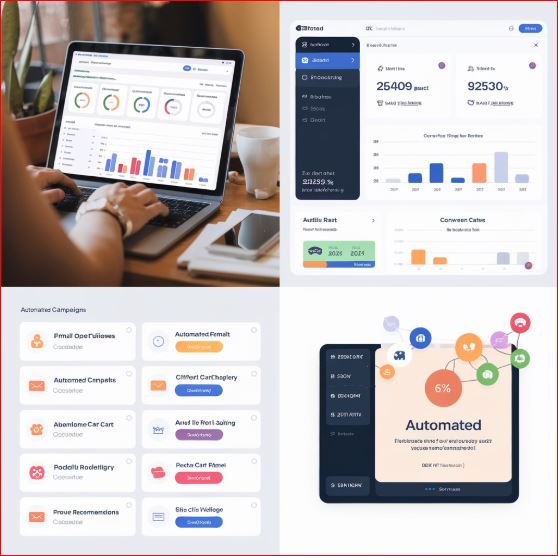
Marketing and email automation offer a range of benefits to the business, such as cutting costs and helping your marketing team focus on what they do best.
Productivity and Efficiency Soars
Imagine you’re a marketer and you spend most of your time scheduling emails, tracking timings to post on social media during peak hours, or guiding each customer through the entire process by sending emails one by one. That’s a scary picture we painted here. You can avoid these hectic tasks by automating marketing campaigns. This way you will have ample time to design and analyze campaigns and make tweaks on the existing ones.
Higher Conversion Rates
Email marketing automation offers customer journey set-up, guiding the customer through their buyer’s journey. It keeps sharing updates and offers, sending reminders to revisit the cart, all of this to keep the customer engaged. For instance, a sign up trigger leads to an email with a discount code offer, taking the customer all through completing another purchase. These practices encourage a higher conversion rate.
Higher Customer Satisfaction
Personalized emails tend to get more opens and fewer spam complaints. People tend to click through emails that have a subject line relevant to them, and email content personalized as per their preference. This increases customer satisfaction, making them feel exclusive and important to the brand.
Lead Nurturing
Email automation allows a series of emails to be sent on each trigger. You don’t have to storm the subscriber’s inbox to nurture warm leads—in fact, this could backfire and lead to an unsubscription (or spam folder mishaps). The sequence and series ensure that the subscribers receive relevant, personalized, and timely content that keeps them engaged.
Regular emails through automation help build a relationship with potential customers, especially emails rich in high-quality content, such as educational resources, exclusive offers, etc. Building trust and credibility through this can guide a potential customer through the sales funnel.
Campaign Management Across Channels
Almost all the renowned email marketing automation platforms offer integration with social media accounts. On HubSpot's higher plans, for instance, a business can schedule posts for several social networks from the same dashboard, timed to when its audience is most active. This saves a ton of time and helps manage multiple social media accounts simultaneously.
Revenue Boosts
The practice of automation lets marketers focus on what they do best. They can invest the time to analyze their campaigns and identify gaps, resulting in an increased ROI.
AI Tools for Email and Marketing Automation
AI integration with email automation platforms has made the job more convenient. It enhances and optimizes subject lines, suggests improvements in the content for higher engagement rates, and analyzes the performance of your campaign via numbers so your business can make data-driven decisions.
Here are a few AI tools you can couple with email automation platforms to build a strong email marketing campaign:
Mailchimp Send Time Optimization
Email timings play a crucial role in determining the open rate. Mailchimp’s Send Time Optimization looks at when your subscribers usually open emails and picks the best time to send a campaign, which can lift your open and click rates.
Emmie from Sintra AI
Emmie is an AI bot that personalizes the email content to suit each customer. It designs subject lines that reflect the relevance and interest of the customers, leading to a higher open rate. It also takes care of the engagement hours of customers so that the emails have a greater chance of converting a customer.
Smartwriter
Smartwriter is an AI-powered tool that analyzes your target audience using machine learning and curates emails that will resonate with them. It is one of the most crucial AI tools since email content copy is one of the most determining factors in the success of an email marketing campaign. You’d better get it right if your business plans to rely on email automation and marketing in 2025.
Seventh Sense
Seventh Sense focuses on timing. It works with HubSpot and Marketo, learns when each subscriber usually engages, and sends your emails at those times. It can also spread out large sends so that inbox providers don't flag a sudden spike, which helps protect your deliverability.
Optimove
Until now you were familiar with AI tools optimizing your email content copy and subject lines. What if we tell you that an AI tool like Optimove can proactively design and streamline the customer journey for you, from sign-ups to making purchase decisions? Optimove sends targeted emails to your subscribers, tailored as per their preferences. It also takes care of the customers according to the sales funnel, by identifying customers who are most likely to drop out. This allows you to take quick action and avoid losing a customer.
Conclusion
Email and marketing automation is a game-changer for your digital marketing plan. It boosts productivity and cuts down on extra labor costs and time. Whether your business wants to welcome a new subscriber or send an exclusive offer to retain a loyal customer, email automation offers it all.
There are multiple platforms you can choose from according to your budget and get started. Platforms like Hubspot and Mailchimp offer customer journey templates that you can use to ensure the effectiveness of your email marketing campaign.
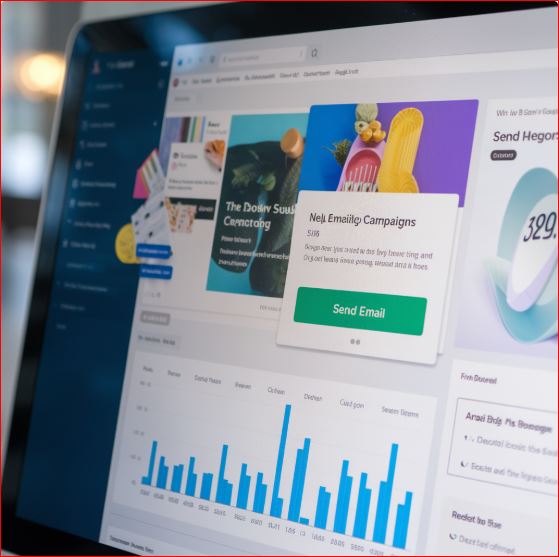
The data analysis of factors like open rate, click-through rate, conversion rates etc helps you assess the quality of your emails’ content copy and gives room for improvement. Your business can also have an added advantage with various AI tools, assisting in writing captivating subject lines, email body, and call to action, enabling you to achieve high conversion rates.
Begin your email marketing automation journey today to transform your marketing experience and keep an eye on how it affects your sales over the next few months. Start with one simple workflow, like a welcome series, and build from there.


