
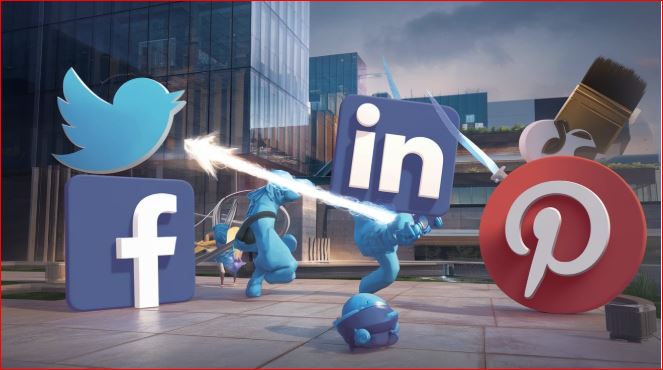
As the face of your company, your brand determines the image that customers have of your company, and if they will be repeat customers. By making your brand campaigns, designs, and branding consistent across different platforms, you can create cohesion that creates a solid foundation for your brand. This can be a key step in future-proofing your brand in an exceedingly competitive landscape.
However, achieving brand cohesion in 2025 can be challenging when brands are expected to be present on multiple platforms and accessible through various devices. When the process is rushed, this ends up confusing customers and results in even bigger confusion and disjointment.

Why Multi-Platform Brand Cohesion is Important
For your digital marketing campaigns to be effective, you need to be consistent. No matter how many channels your brand is using, you need to create a cohesive brand experience from your social media platforms to your website. Your brand experience encompasses various elements, including design, messaging, copy, and the functionality of your system.
Ensuring your brand remains cohesive across all touchpoints helps build a strong and memorable brand. Here are several reasons why cohesion is essential:
Building Cohesion and Trust
If you are consistent in your branding, this could be a sign of your level of reliability and professionalism. Since your customers will encounter similar visual and verbal cues across social media, websites, ads, and packaging, they will grow in their trust for your brand. Otherwise, if your brand identity isn't cohesive, it will confuse your customers, and they won't know what products or services to expect from the brand.
Increasing Brand Loyalty and Recognition
When you have a unified brand, it makes it easier for your brand to stand out from the competition. This is true when you use the same logo, typography, color palette, and messaging. These factors increase the chances of brand recall and enable you to connect emotionally with your audience. Such a degree of consistency often leads to a higher level of customer loyalty, since people are more familiar and comfortable with the brand they recognize.
A Seamless Experience
Today, customers interact with a brand across multiple channels. This may range from social media to websites, email campaigns, and physical stores. When you have a cohesive brand identity, these interactions will feel interconnected and unified, resulting in a seamless customer experience. When your brand feels coherent, it encourages prospective customers to engage with it.
More Clearer Communication
When you have a cohesive brand identity, it means you can deliver your message clearly and effectively. It becomes easier for your customers to understand your values and brand voice when you align verbal with visual elements. This level of clarity can help attract customers and showcase your USP (unique value proposition). Ultimately, you can build a community to help grow your brand.
Steps in Creating a Cohesive Brand Identity Across Platforms
To create a trustworthy and memorable brand that resonates with your target audience, it is essential to maintain a consistent brand identity. This involves using consistent visuals, messaging, and values across all touchpoints. To achieve that, consider using these steps:
Have Clear Brand Guidelines
To maintain a cohesive brand, you must begin by creating detailed brand guidelines that would represent your brand and demonstrate how consistent brand cohesion will be maintained across various platforms. Some of the key elements to specify include:
- Using the logo. Have clear guidelines on the usage of the logo, including its spacing and the correct adaptation of the logo.
- Typography. Clearly state the approved styles, fonts, and applications for different contexts.
- Color palette. Have an outline for the use of primary, secondary, or accent colors.
- Voice tone. Be clear on whether your brand is communicating seriously, humorously, or conversationally.
- Values and missions. Have some core principles to guide your messaging and direct the different branding efforts.
With accessible documentation, you can ensure that all partners, team members, and agencies are adhering to the same standards. This reduces the risk of inconsistencies and provides a cohesive brand image.
Customize Your Content Strategy
Different platforms have different content guidelines so you will need to adjust your content style to meet the content guidelines of each. However, when doing that, ensure that the core brand elements remain the same. These are:
- Visuals. Maintain the same brand design, colors, and fonts across different platforms.
- Voice tone. Use a consistent tone. However, it would be fine to make slight adjustments to meet the requirements of specific platforms. For instance, you can use a serious tone on LinkedIn and a fun tone on TikTok.
- Adaptable formats. Your content should be tailored to the needs of the individual platform. For instance, use infographics for Pinterest and short videos for TikTok. Long videos can be a good choice for YouTube, while long articles will work well on LinkedIn.
When doing this, ensure a good balance between consistency and customization for different audiences while retaining the brand identity. You can repurpose content to reach a new audience and reinforce your message without spending a lot of effort. This is cost-effective compared to creating evergreen content.
Use Technological Tools
One of the easiest ways of streamlining your brand management and maintaining a cohesive message across different platforms is by leveraging digital tools such as:
- Digital asset management systems. A good idea is to have a centralized system for your brand assets, as this can make it easier for team members to find them.
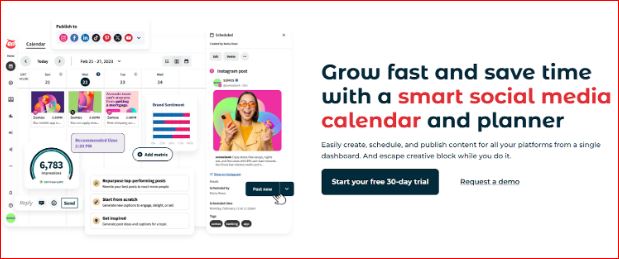
- Content management systems. You can use tools such as Buffer, Sprout Social, and Hootsuite to enable your teams to plan for the posting of content.
- Monitoring and analytics tools. Use the built-in insights on each social platform, along with Google Analytics, to gather data on performance and audience sentiment. You can then use the data to refine your strategy.
- Brand compliance tools. There are also specific tools, such as Bynder and Frontify, that can help reinforce your brand guidelines. If there is non-compliant content, these tools will help you detect it.
They are great tools for increasing efficiency and ensuring the brand maintains a consistent presence across various channels. However, ensure that you create a balance between automation and authenticity in your brand messaging.
Employee Training and Alignment
You cannot have consistency if the team behind your brand doesn't understand and adhere to the guidelines. That's why you should ensure that your employees, collaborators, and partners understand the guidelines and adhere to them. To ensure that employees maintain consistency and alignment, you can use different methods such as:
- Workshops and training sessions. Ensure you regularly keep your employees educated on the brand's messaging, values, and design standards.
- Onboarding programs. If you have a new hire, introduce them to the brand identity from the first day.
- Brand audits. Ensure that you are periodically reviewing your branded materials so they adhere to the guidelines.
When your team is well-informed and aligned, it can easily contribute to brand cohesion.
Have a Centralized Leader to Oversee
Without an oversight leader, it can be hard to know who is following the guidelines. On the other hand, having an oversight leader will help in different areas such as:
- Strategic oversight. The team leader will align the marketing effort with your larger business objectives.
- Quality control. The leader may also be responsible for reviewing and approving some of the significant campaigns and content for consistency.
- Accountability. If employees have a question or issue regarding brand identity, these can be the go-to resources.
While it is possible to delegate some tasks, it can be helpful to have a central authority that will be the custodian of the vision and ensure there are no significant deviations from the guidelines.
Brand Performance Tracking
For sustained relevance and growth, it's essential to measure your brand performance. You can leverage different KPIs to get insights into whether your strategies are resonating with your target audience. When tracking and analyzing, you can monitor various metrics to gain a detailed understanding of your brand's health.
Final Thoughts
While multi-platform cohesion is key in 2025, failing to achieve it risks having a disorganized and disjointed brand presence. By having clear guidelines, a good content strategy, and the right tools and teams, it's possible to achieve multi-platform cohesion across different platforms. If you're wondering where to start, our detailed guide will provide you with the information you need.


