
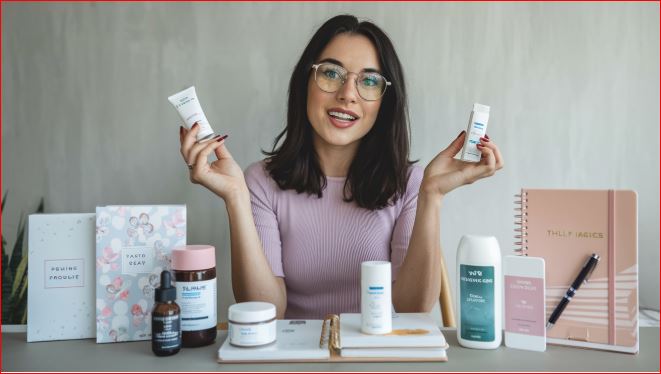
In the past, influencers were typically celebrities or prominent social media personalities with a huge following, marketing a company’s products to their audience. This enabled them to change the brand's market perception and influence buying decisions among their followers. However, over time, this trend began shifting as influencers started launching their own products and CEOS turned into creators.
This means that influencers either have to decide whether to promote another brand or launch their own product. Each of these brand ownership models has pros and cons, so influencers need to decide which model to pursue. In this article, we will answer the question of which option is better and more profitable.
What Are Brand Collaborations?
Brand collaborations involve another business paying an influencer to promote their products using authentic content creation. Such a relationship is usually mutually beneficial to both parties, as it can help the company increase sales and followers. On the other hand, the influencer is paid for the sponsored content. This allows them to build engagement and credibility among the audience. Sponsored posts need a clear disclosure, such as #ad or the platform's paid partnership label, so followers know the post is paid.
Benefits of Brand Collaborations For Influencers
The main benefit of an influencer collaborating with a brand is that it enables the social media personality to monetize their social media accounts or website. When influencers choose this monetization model, they usually get a predictable income, because they receive an agreed fee for their posts no matter how the product sells.
Additionally, brand collaboration is achievable for influencers at all levels. Even if an influencer has less than 10,000 followers, some brands are always ready to work with them. This means brand collaboration has a lower entry level than brand ownership. When they collaborate with established brands, creators can also get other benefits such as:
- More brand awareness. When you collaborate with a brand, you'll introduce your content to a larger audience by leveraging the partner brand's existing customer base. Such a level of cross-promotion can help strengthen your presence online and make your casual viewers loyal followers.
- More credibility. When an influencer works with a big, trusted brand, they appear more credible. Such a level of trust can have a halo effect, boosting the influencer's credibility.
- Cost-effective. When a creator collaborates with a brand, they share the marketing expenses. Both parties see a bigger impact from less spending.
- Innovative products. Collaborations can add creativity, enabling creators to stand out in the crowded digital space. This could take the form of creating limited-edition products, exclusive merchandise, or co-branded items. This level of innovation can help attract new audiences and create buzz for both parties.
- Higher engagement. When you partner with a brand, you can easily add excitement and drive interaction on your content. It can spark social media content and turn your engagement into tangible subscriptions and sales. You can also leverage Instagram reels to increase engagement.
What Are Influencer Brand Ownerships?
Like the term suggests, brand ownership involves the influencer creating their products, which they market just as they would for another company’s products. In these models, the influencer isn't paid a fixed fee, and their success depends on the brand's success they market. Here are some reasons why influencers are choosing brand ownership over brand collaborations:
Leveraging Their Experience and Audience
When influencers market or promote services from other companies, they gain valuable experience on what it takes to succeed in the social media market. For instance, they understand the type of content the audience likes and the product promotion strategy that works best. They leverage that experience to cut out the middlemen and increase their level of profitability.
Low Marketing Cost
Influencers already have an audience that listens to and trusts them. That means they do not need to pay marketers to promote their products. Additionally, they have already built networks with other influencers, creating collaboration opportunities for them.
Getting Feedback
Since influencers have a close-knit relationship with their communities, they often get feedback from them on their products. That helps them understand areas for improvement, creating an aura of transparency. This feedback enables them to better personalize their products to the customer’s needs, increasing their chances of success.
More Control Over Their Earnings
While brand collaborations offer influencers an opportunity to earn a fixed monthly income, they don't have control over how long the relationship will last. If the contract runs for a year, the influencer will have little control over whether it will be renewed. That means they can go from earning thousands of dollars in a month to zero earnings when doing brand collabs. On the other hand, brand ownership gives them complete control over their earnings as there are no contracts with third parties that risk being terminated.
Which One is More Profitable?
We have already seen the pros and cons of each influencer monetization method. This brings us to the question: which of these models is more profitable? The fact is that in the short-term, brand collaboration is likely to be more profitable. This is because all you need to do is create content, post it on your page, and wait for your paycheck as per the agreement.
On the other hand, brand ownership requires product development, which involves a lot of capital, a learning curve, making mistakes, market rejection, and many other risks. That means you are even likely to incur losses when you start. However, once you understand your product and it meets the user's needs, you are likely to earn more.
All the profit you make from the product belongs to you, as there are no middlemen to decide how much to pay you. Therefore, in the long-term, product ownership is likely to be more profitable. A few creator brands have grown into businesses worth millions, but most take years to get there and many don't make it, so expect a rough patch first.


