
Social proof has emerged as an effective tool to help brands convince customers to convert. It leverages the psychological phenomenon of following the crowd. That means when they see others buying your products, they also go ahead and buy. Whether it's customer reviews and testimonials, expert endorsements, UGC, or social proof, it's effective for social media validation and can help convert customers sitting on the fence.
However, it may also hurt your brand marketing when done wrongly. In this article, we will take you through the common mistakes brands make when using social proof. We also provide essential insights on how they can avoid these mistakes.

What is Negative Social Proof?
Negative social proof occurs when an individual or business leverages social proof, such as engagement, reviews, and testimonials, but it backfires. While social proof aims to encourage shoppers to convert, when misused, it can backfire, leading target customers to shy away from your brand.
Negative social proof can take different types, such as:
- Lack of reviews
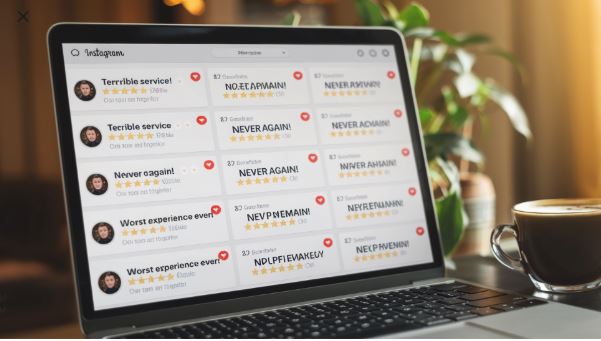
- Negative reviews
- Low engagement
- Reviews do not match the product.
- Testimonials for people outside your target audience.
- Low social shares
- Low view count
These marketing tactics position your brand as extremely unpopular, leading the target audience to question its relevance and the quality of its services.
How to Handle the Challenges of Negative Social Proofs
Now that we understand what negative social proof is, let us look at common ways to address these challenges.
Low Number of Reviews
There is no doubt that reviews are the most popular form of social proof. Prospective customers use them to determine the quality of a product or service and decide whether to buy it. That also means if your product has no reviews, this can be a form of negative social proof. Your prospective customers will interpret the lack of reviews in different ways, such as:
- People have no interest in buying the product.
- The product isn't worth reviewing.
- It's not worth sharing the first review.
To address this problem, you can use a product review tool like Fera reviews to hide the reviews widget until a product has its first reviews. Then focus on getting genuine reviews, for example with a follow-up email after delivery that asks every buyer for honest feedback.
Irrelevant Reviews
Some stores fill the gap by showing reviews from other products. Be careful here. Reviews for a different product can mislead shoppers, and the FTC's 2024 rule on reviews bans review hijacking, meaning reviews written about a substantially different product. Only show reviews for the item someone is looking at, or for versions of it that really are the same product, such as a different color.
Low Numerical Strength
Social proof also leverages numerical strengths to convince buyers to take action. For instance, you will find brands that use phrases like "70 people added our lip balm to their cart" or "seven people are currently viewing this product, and only 3 are left." However, you can imagine a situation where your online store displays the message that no one is viewing this product, or that only one person added it to the cart in the last 30 days. This will discourage people from buying, making it another form of negative social proof.
You can deal with this challenge in several ways, such as:
- Not showing the count at all.
- Showing the count for an extended period, such as two months.
- Putting a minimum number of counts that the widget can display.
This is important because a low social proof count can make your target customers think your product is of poor quality, or even worse.
Low Number of Social Shares
In the same way, a low viewer count will lead to negative social proof, and low social shares can also discourage people from buying. When the social shares button shows that no one has shared your website, it negatively impacts your credibility and trust. If people are not sharing your pages, consider removing the social share button. This is important as these buttons can be distracting and make you seem less credible. If it is a must-have, wait until the number of shares has begun to grow.
Testimonials from the Wrong Target Customers
Nobody wants to get advice from people with whom they have little in common. This is how your customers feel. Fortunately, you can solve the problem by sharing only testimonials from people who resonate with your target customers or who represent your ideal buyers.
Lack of an About Us Page
Social proof aims to earn the trust of your ideal customers, and one essential tool you can use to do so is the About Us page. When adding one, don't do it for its own sake. Instead, focus on convincing your target audience to trust your brand. To achieve that, you need to show them your personality. Therefore, make sure your about us page reflects your personality, preferably with the image of the founder.
In Conclusion
Whether you are selling on Facebook Marketplace, Instagram Shop, or TikTok Live, your goal is always to sell as much as possible. One of the best ways to increase your conversion rate is to include social proof. When you add social proof from product reviews or customer testimonials, you can convince undecided customers to buy. It is a good strategy for driving conversions via email or social media.
However, negative social proof can have an exactly opposite effect, preventing people from buying. When manipulated or misused, social proof can backfire, leading customers to lose trust in your brand and potentially trigger a social media crisis. This may result in you pouring money into a campaign without a corresponding ROI. By understanding the different types of negative social proof and how to address them, you can avoid their negative impact.


