
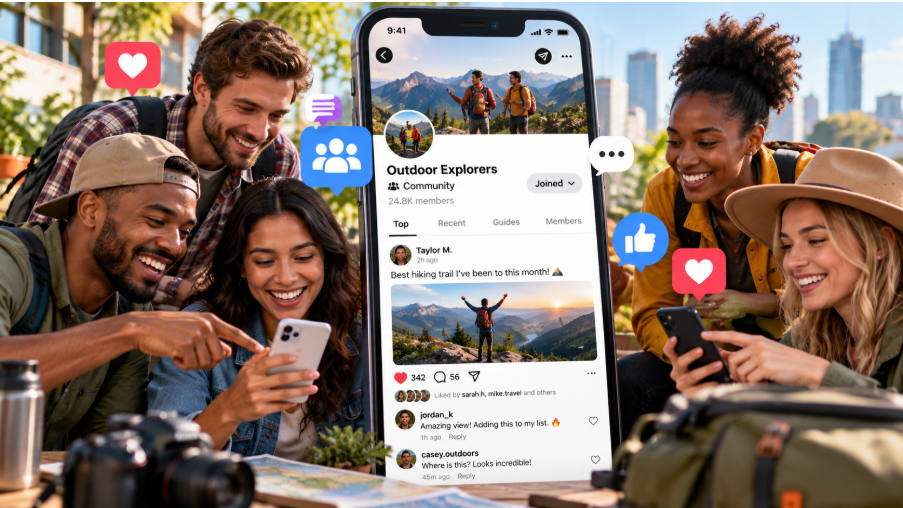
There was a time when social media feeds appeared in chronological order, meaning that you were almost guaranteed that your followers would see your post. However, after some time, social media platforms became crowded with content, leading them to start recommending content that generated a lot of engagement.
But with content increasing and the number of creators rising, generating engagement on Instagram and other social media platforms has also become harder. That means if you are only creating good content and waiting for engagement, you are likely to fail. One of the trends you need to focus on to drive engagement is community-first social media marketing. In this article, we look at the top community-first marketing trend you need to know in 2026 and how you can leverage it.
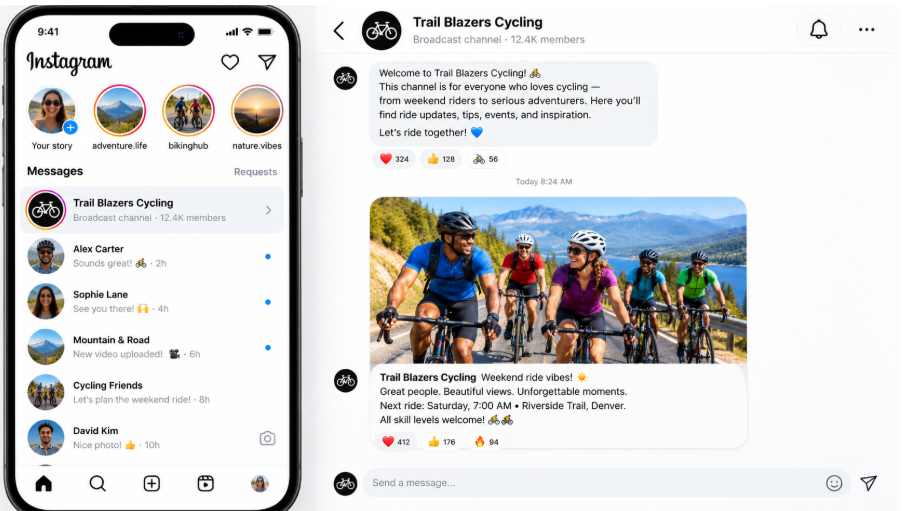
What is Community-First Marketing?
Community-focused marketing is a business strategy that focuses on building genuine relationships, a sense of belonging, and earning trust among your audience before selling a product. It differs from a one-way broadcast and instead focuses on two-way conversations. It is a departure from traditional advertising in that it focuses on:
- Building real connections with audiences. Community-focused marketing requires an investment in experiences and conversations that make your audience feel seen and heard, so they turn from active buyers into loyal brand advocates.
- Encourage sharing of content. A community-first marketing focus on inviting your brand community to create their stories, share them, and get reviews and feedback on the stories to generate authentic engagement and cause people to talk organically about your brand.
- A focus on honest communication. Community-first marketing requires open communication to show empathy, respond to your audience’s questions, and focus on community members to ensure your brand feels personal and relatable.
Understanding the Community-First Marketing Trend
In 2026, the use of influencer endorsements and polished ads may not work on social media. This is because social media users are looking for genuine connections, a sense of belonging, and co-creation opportunities. Community-first social media marketing aims to capture this change, focusing on providing your brand with a group, then allowing the community to drive content creation, brand awareness, and product innovation. Rather than pushing out a message, you encourage users to join as co-creators.
Unlike traditional marketing methods, whose success is measured in terms of clicks and impressions, community-focused marketing focuses on driving deeper engagement, generating UGC, and cultivating brand advocates.
Such a change of mindset means businesses now need to nurture communities by driving conversation, celebrating the members’ wins, and driving value. A study by Harvard noted that when a brand nurtures an online community, this can increase their lifetime customer value by 19% within a span of 2 years.
Benefit of Community-Focused Marketing
In an era when we are seeing the rise of community group platforms and private groups, community-first marketing offers various benefits, such as:
Driving Brand Awareness
Brand communities are platforms that help drive connection and interaction. When you foster a brand community, you open a door where customers engage with your product and share experiences. This results in brand ambassadors who will not be shy about speaking about your brand, thereby amplifying its brand awareness.
More Customer Loyalty
People who join a brand’s community often say they feel more loyal to it, and many are happy to buy based on what other members recommend.
Get Customer Insight and Feedback
Community-based marketing can be a great source of real-time interaction with audiences. This drives a two-way relationship that deepens the level of trust. When you have engaged users, they can share honest feedback about customer perception and challenges.
Top Community First Marketing Trends in 2026
Now that you understand what community-first marketing is and why it matters, let us look at the top trends defining it in 2026 and beyond.
Social Commerce Rewards
In 2026, flash sales aren't the best tools for social commerce. Instead, rewarding the members of your community who participate with rewards such as perks, exclusive access, and points usually works better. Therefore, brands can add a mechanism for showing loyalty on social platforms. For instance, they can be given access to a unique discount code or early product access in return for their engagement.
Linking rewards to community activity can lift order values and keep people coming back. Picture a skincare brand, let’s call it GlowUp, with a loyalty program tied to its Instagram shop.
Members earn points for joining in, for example by sharing tips, posting photos of their routine or answering polls, and redeem them for limited-edition products. Be careful with one thing: if you reward reviews, you have to ask for honest ones, never only positive ones, and the reward must be disclosed. Platforms like Instagram also frown on rewarding people just for tagging friends.
A Focus on Niche Communities
Unlike the past when brands would have large generic pages, today’s brands are now focusing on small micro communities in places like Discord servers, Slack channels, and private Facebook groups. These are great places to connect members with shared interests such as keto meals, natural weight loss, indoor gardening, or retro gaming. In this case, your brand becomes the moderator of these conversations.
Hyper-niche communities often see much stronger engagement than a broad brand page, because members feel valued and seen, which leads to organic referrals and repeat purchases. Imagine a plant-care brand that runs a WhatsApp group just for succulent lovers.
Each group has a facilitator who shares care tips and spotlights members’ plants. A focused group like that can grow steadily through word of mouth.
Member-Led Co-Creation
In traditional social media marketing, all the posts and videos are created by the brands, with the followers implying being consumers of the content. However, with community-first marketing, the members of a community become co-creators. They collaborate on creating social media campaigns, blog posts, packaging design, and product features. This ensures that they are invested emotionally in the group and feel like they are part of your brand.
For example, an athletic apparel brand could ask its Facebook community to help design a special-edition running shoe, letting members vote on the material, color and a small logo detail. The people who helped design it are the most likely to buy it and tell their friends.
Co-created products also tend to get shared much more than regular launches, which helps turn customers into loyal brand ambassadors.
Rewards From a Gamified Gaming Experience
While gamification has been around for some time now, how it has been used to drive community-first marketing in 2026 has changed. Unlike in the past, when it was about badges, it is now about offering real-world value. You can use leaderboards, challenges, and quests to unlock charitable donations, exclusive mentorship, and physical rewards. This often results in daily participation and ensures that your community feels like a game that is worth playing.
Gamification with tangible rewards can raise loyalty and keep members active. A language-learning app, for instance, could run a monthly “speakathon” on Discord where members team up to complete speaking challenges and earn points that go toward a cause, such as planting trees.
Peer Support Network
Another community-first marketing trend involves brands allowing members to assist one another. Rather than having one brand support avenue, they create a structured forum for the veterans to answer the questions of newbies. This reduces the cost of support as the brand builds a knowledge resource base that feels trustworthy and authentic.
Peer support can reduce the load on your support team while making members feel more invested. A tech-accessories brand, for example, could run a Facebook group where customers help each other with setup and compatibility questions, with a moderator stepping in only for sensitive issues. Over time, the group answers a good share of questions faster than a support queue could.
Final Thoughts
If you are not focusing on community-first marketing, you are missing a lot. Not only will you struggle to drive brand awareness, but you will miss important feedback from members. When you have a community-first approach, you can have loyal customers who won't mind marketing your brand. However, for the best results, you need to understand the above trends.


