
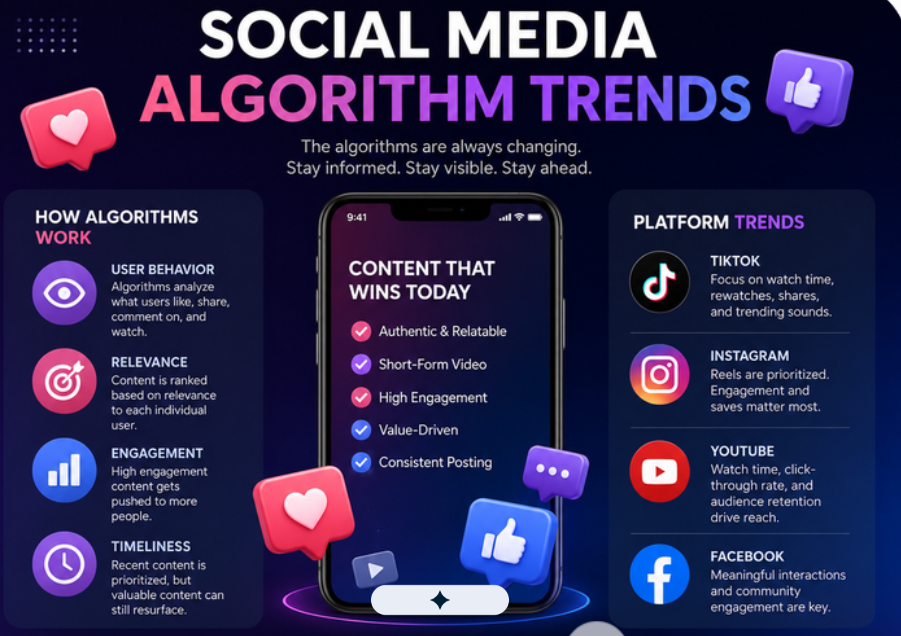
Social media is a constantly changing field. There are new social media trends arising, new features emerging, and audience behavior changing. Another constantly evolving element of social media is the algorithm. In 2026, most platforms use AI-powered algorithms to connect users with content they are likely to like.
Therefore, when considering this year's social media trends, you need to pay attention to algorithms. Since this determines your content's visibility, understanding it will help you ensure it gets a significant boost. In this article, we guide you on the top social media trends to watch in 2026.
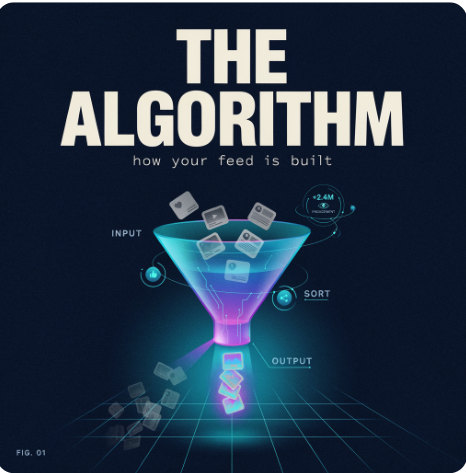
How Social Media Algorithms Have Evolved in 2026
With the number of social media users increasing in recent years, there is an endless stream of content to which users are exposed. This has highlighted the need for a more complex algorithmic feed that leverages machine learning.
Since it's curated to offer an individualized experience, the social media algorithm enables users to have a more personalized feed based on factors such as their behavior, optimal viewing time, and format preferences. Social media platforms aim to keep users on the platform longer by showing them content they are likely to interact with.
Top Social Media Algorithm Trends
In 2026, social media algorithms act as gatekeepers of content visibility. If you want to gain visibility, you must understand how the algorithms are changing.
Here are some trends in social media algorithms:
Platform-Specific Nuances
If you are not creating content that leverages the latest features on the platforms, you might be missing out on organic engagement, reach, and overall impact. On platforms like Instagram, LinkedIn, and TikTok, algorithms promote their new features. That means if you want to gain visibility on social media, you should focus on creating content that leverages new features.
While social media platforms work differently, most of them have similar goals:
- Providing users with quality content.
- Maximizing user engagement.
- Making users spend more time on their platforms.
However, each platform has its key considerations when recommending content to users. These include:
- A preference for user-generated content and posts on Instagram.
- A preference for content discovery using interest mapping on TikTok.
- A preference for industry insights and thought leadership content on LinkedIn.
If you want to succeed with content marketing, you should create content that can be customized to each platform's unique environment. You should also use the platform's native features, such as reels. Focus on creating content pillars to identify your major audience’s needs, and adjust the tone, format, and delivery of your content to optimize for each platform.
Video Content Dominance
Video content has become dominant on social media, with 89% of businesses already leveraging it in their social media strategy. That's why when you click on major social media platforms, you will notice the video content dominating, especially the short videos on platforms like Facebook, Instagram, YouTube Shorts, and TikTok.
As short video content is a trend across many platforms, how these videos are recommended varies from platform to platform. TikTok prioritizes users who participate in trends and authenticity. The Instagram algorithm prioritizes polished videos with some strong hooks, even though in recent years, raw videos have been winning over polished ones. On the other hand, LinkedIn prioritizes educational content with some clear business applications.
To ensure success with the short videos, your top videos should be optimized for mobile-first viewing, with captions and design elements that provide value in the first 15 seconds to reduce attention span. To increase your engagement and reach, you also need to create short videos that feel native to each platform.
You can use different video optimization tips, such as:
- Ensure that the videos are mobile-friendly: vertical on Instagram and TikTok, and horizontal on Facebook and YouTube.
- Start with a hook in the first three seconds.
- Add captions, as many social media users watch videos without sound.
- Create authentic content instead of overly-polished content.
- Use a simple messaging type that is straight to the point.
The Use of AI and Personalization
You've probably gone through your favorite social media feed and noticed a lot of content from people and brands you don't follow. This isn't a glitch, but it's the AI system at work. Nowadays, social media algorithms use machine learning to create a hyper-personalized feed. They evaluate user behavior, such as their scrolling speed and the topics they spend more time on, and then serve them more of that content.
There are different personalization factors you can consider, such as:
- Historical engagement patterns (People who interacted with your content in the past).
- Content consumption velocity (People's consumption of content).
- Relationship strength (The people you are regularly engaging with).
- Contextual relevance (Does it align with the interest?)
- Time-based signals, such as seasonal relevance and recency.
If you are a creator, the use of AI in algorithms means you need to move toward targeted, niche-specific content that resonates with your target audience. You might want to use audience segmentation to diversify your content and trim posts and formats based on your activity patterns.
You need to ensure that you are creating content that generates key engagement instead of viral interactions. This requires you to better understand the content that matters most for your target audience and focus on content that addresses their needs, interests, and questions. When your content drives personal engagement, algorithms can recommend your message to a bigger audience.
Integration of Social Commerce
Online shopping has gone social, and now it's possible to buy something directly from a social media platform because social platforms now include shopping tools that minimize friction and increase conversion. The addition of features such as TikTok Shop, Instagram Shop, and Pinterest Buyable Pins can help keep users on the platform longer and keep them browsing.
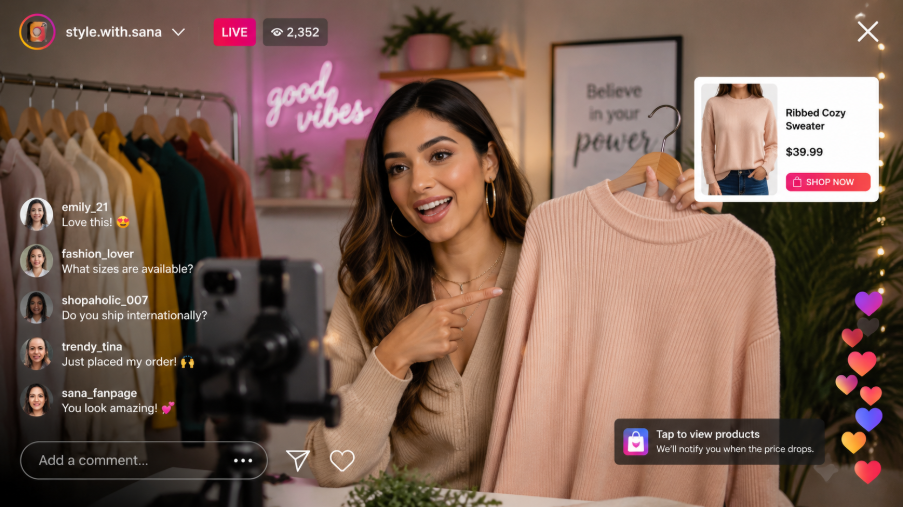
The integration of these features has helped increase the content for brands, as the algorithm promotes brands that offer a complete shopping journey on the platform rather than directing users outside it. By embracing these features, you can see your discovery grow among your new audiences and improve conversion.
A Focus on User Privacy and User Persona
With users becoming more aware of their digital footprints, platforms have been forced to adapt their algorithms to give priority to data security and privacy. This could result in a new content recommendation that requires less personal data, or in new ways to share user data anonymously while still offering personalized data to the user. However, one challenge is maintaining a good balance between data privacy and personalization, which could affect how algorithms function.
Platforms are also giving users more control over their feeds. For instance, the Your Algorithm on Instagram allows you to add or remove interests directly in the feed preferences. Facebook, too, has been experimenting with the chronological feed in selected regions as a result of the EU regulation. Some reports indicate that users now feel in control and with less manipulation.
A Focus on Engagement Signals
Watch time has emerged as one of the greatest social media algorithms in 2026. When the content holds the viewers' attention until the end, it is promoted more by the algorithm. Additionally, replies matter more than likes. When the social media algorithm notices that your content is driving replies, it sees it as genuine interest. Therefore, if you want to see strong performance, you need to respond quickly.
Early engagement is also important if your posts receive a few genuine engagements. On the other hand, using spam tactics will hurt your visibility in the long term.
How to Implement these Trends in Your Strategy
Understanding the trends is one thing. But when you apply them, this is what will yield the desired results. To optimize for the social media algorithm, you need to start by auditing your content's performance across platforms to identify the topics and formats that drive consideration and engagement.
You also need to develop a posting schedule for each platform based on when your audience is most active. You can create content clusters around your major themes rather than having several disconnected posts. In each of your posts, focus more on helpful content in storytelling format instead of promotional posts.
Use a quick hook, a mobile-first design, and a clear CTA. Make sure your content solves a need and responds to real problems. Doing that will make the content more likely to be rewarded by the algorithm.
When tracking the performance of your social media posts, pay attention to more than just the vanity metrics and instead focus on metrics that really matter, such as:
- Video completion rate.
- Quality comments, over quantity.
- Post saves.
Continue to analyze your content's performance and refine your strategy. To succeed, treat social media as a conversation, not an advertisement. With the constant changes in social media algorithms, you also need to keep your strategy evolving.
The Future Outlook of Social Media Algorithms
Going forward, social media algorithms are likely to prioritize content that shows authenticity and trust. As social media platforms are flooded with AI-generated content, people will begin to crave genuine voices. Private groups and micro communities will keep growing, providing a higher level of engagement than public feeds. There will be an increase in hyper-personalization, raising the need for strategic content planning.
In the coming years, we should expect the algorithm to focus more on content that builds relationships. That means creators should focus more on storytelling to develop an emotional connection with their audience. To remain visible, brands need to show their human side. Instead of chasing after trends, success should focus on providing platform-specific strategies. Therefore, focus on building genuine relationships with fewer, more engaged audiences.
Final Thoughts
Understanding social media trends can help you create content that resonates with your target audience. Such a content format is likely to drive engagement, making the social media algorithm more likely to promote it. Therefore, understanding the above social media algorithm trends will help you prepare for success. You can read our guide on the declining importance of hashtags in the Instagram algorithm.


