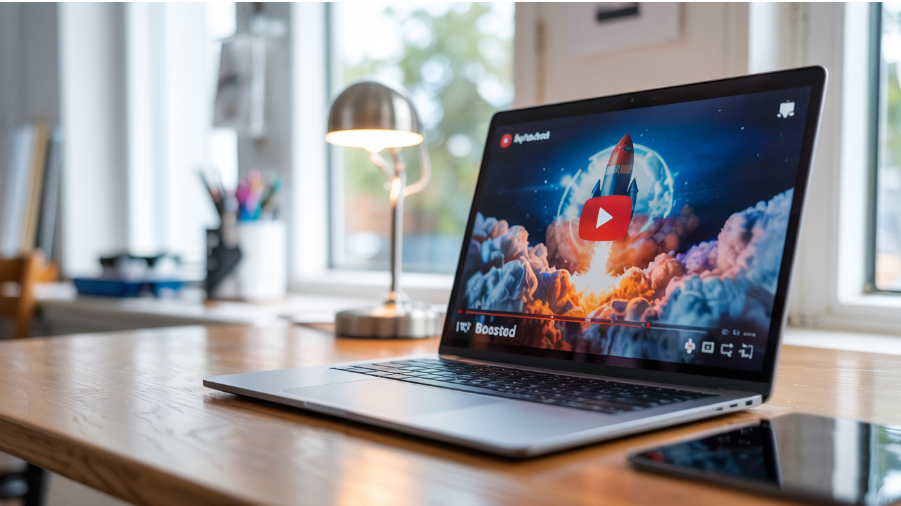
A common mistake creators make is assuming that promoting their videos on other platforms will boost their watch time. While this is also important, it can be hard to grow your watch time if YouTube isn't organically recommending your videos to viewers. This is why a good YouTube channel audit should also analyze the performance of your videos on the home page and the search results.
If your channel isn't growing organically, it could be a sign that your videos aren’t optimized. When you optimize your videos, YouTube will recommend them to viewers in the search results. This is, therefore, an important step when using YouTube for lead generation. In this article, we will guide you on how to do that.
What is YouTube Video Optimization?
YouTube video optimization is a key part of YouTube SEO, helping improve your videos' ranking, engagement, and overall visibility. It involves various strategies to increase video visibility in search results. When done well, it helps your videos reach their target audience. Since viewers of your videos are already searching for the information on your channel, it is easy to convert them into subscribers.
As a Google-owned search engine, YouTube also uses an algorithm to connect viewers with the most relevant content. It's important to remember that the same SEO tips used for websites may not work for videos. However, there is an overlap. In fact, optimizing your YouTube videos can also help you rank on Google and other search engines.
Steps in Optimizing YouTube videos
To begin optimizing YouTube videos, follow these steps:
Create High-Quality Content
Before you optimize your videos, ensure they are of very high quality. Some of the steps to follow in keyword optimization include:
- Conduct keyword research to identify the content viewers are seeking.
- Make the video as long as the topic needs. Longer videos can build more watch time, but only if people keep watching.
- Make sure the target keyword is mentioned verbally in the video. YouTube uses an automated crawler and captioning to identify videos that genuinely match the title.
- Create dynamic videos to reduce the bounce rate. Use engaging graphics, visual changes, and transitions to hold viewers’ interest.
- Encourage your viewers to like, comment, and subscribe. A higher engagement rate will improve your YouTube ranking.
- Make sure you explain the video’s value within the first 10 seconds so viewers keep watching.
Video Optimization Tips
After you have created high-quality content that drives engagement, your next step should be to optimize it for search results. Here are some tips on doing that:
Video Title Optimization
Ensure the target keyword is included in the title in a relevant and accurate way. Using clickbait can negatively impact your ranking. Make sure the primary keyword appears in the first 30 to 60 characters so that it is not truncated. Use some compelling language, such as numbers, power words, and questions, to increase engagement. Ensure the title aligns with the thumbnail for maximum impact. Here are some extra tips to optimize your videos:
- Keep it short. A maximum of 60 characters for full visibility of the title on mobile devices.
- Use emotional and powerful words. Words like "unbelievable" and "essential" can boost your CTR.
- Use lists/numbers. These are not only easier to understand but also help keep your content well-organized.
- Ask questions. Add questions that users are already searching for.
Video Description Optimization
Make sure your descriptions are well-organized, at least 250 words long, and written in natural language. However, you should write for humans first, using easy-to-read, engaging content. Add three to five descriptions to improve discoverability.
Avoid generic descriptions; instead, use a unique description for each video. Remember that many viewers watch YouTube videos on their mobile phones and, therefore, prefer concise sentences with clear breaks.
Optimize Your Video Tags
Add the relevant tags and include a mix of broad and long-tail keywords, placing the most important ones at the beginning. Start with the primary keyword, then add variations and branded tags to help YouTube better understand your content. You can use tools like TubeBuddy and VidIQ to enhance your competitor analysis and keyword research.
When choosing the right tags, begin by understanding your audience’s search behavior and the specific problem your video solves. Note the primary keyword that best describes your video with its related terms. Conduct a competitor analysis to understand the patterns. Consider the videos with the highest view counts and the highest engagement rates to identify the tags they consistently use.
You can also use the YouTube auto-complete feature to see a list of popular search terms in your niche. Add hashtags that combine information queries with navigational, branded, and commercial terms. This will enable your videos to appear in the different stages of the sales journey. Check the hashtags with the highest traffic to identify the keywords that resonate with your target audience.
Add a Custom Thumbnail
One of the factors that affects the click-through rate of your YouTube video is the thumbnail. A good YouTube thumbnail should capture people’s attention, be eye-catching, and hint at what the video is about. When creating one, follow YouTube guidelines: use an image 1280x720 pixels, with a width of 640 pixels.
Add text to the thumbnail to provide viewers with context about the video, then add the video’s main theme with a short, catchy, and striking title that grabs the viewer’s attention.
Use Cards to Increase Watch Time
You can add interactivity with YouTube cards to increase viewing time. There are four types of cards: Video, Playlist, Channel and Link (link cards to external sites are only available to channels in the YouTube Partner Program). You can add the card by:
- Open YouTube Studio and go to Content.
- Select the video, then choose Cards in the Details panel.
- Click Add Card, then follow the prompts.
- Change the card timing to ensure it appears at the optimal time.
Add a Video Transcript
While a transcript is not mandatory, it can improve your visibility. You can follow these steps to add the transcript:
- In YouTube Studio, go to Subtitles and select the video.
- Select the language.
- Upload the transcript as a file, or paste it and let YouTube auto-sync it with the video.
- Publish captions.
Add Video to Playlist
A playlist can increase your videos’ watch time by automatically playing the next video. You can add the playlist by:
- Open YouTube Studio and go to Content.
- Open the video’s details.
- Open the Playlists menu and choose New playlist.
- Name and save the playlist.
In Conclusion
If your videos are plateauing at 500 views, it could be a sign that you are not optimizing your videos for SEO. The good news is that you can increase the ranking and watch time of your videos by optimizing them for the search engines. Following the tips outlined in this guide should make it possible. We recommend you read our guide on boosting your YouTube watch time.