
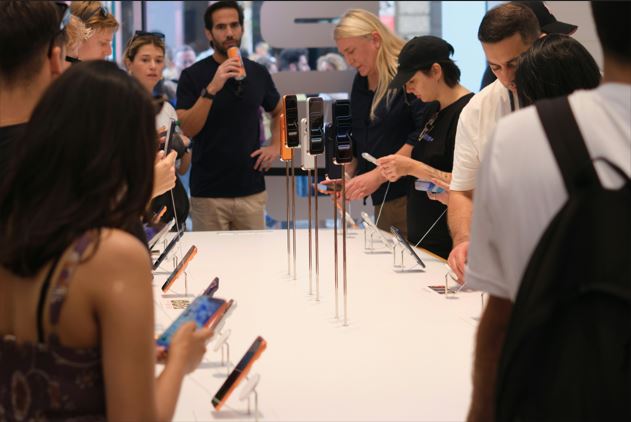
Product launches have always been about building excitement. Brands rely on press releases, billboards, events and celebrity endorsements to get people talking.
Today, many customers expect more than an announcement. They want to see how a product looks, works and fits into their own life before they buy.
Mixed reality (MR) can help with that. It blends digital content with the physical world, from AR effects on a phone to fully immersive experiences in a headset like Meta Quest or Apple Vision Pro.
Picture walking into a showroom where product details appear next to each item, or joining an online launch where you can turn a new product around in 3D from your living room.
Here's how brands use MR for product launches, what it's good for, and what to keep in mind.
From Classic Launches to Immersive Events
For years, launches followed the same pattern: a stage, a speech, a demo and media coverage. That still works, but the audience mostly watches.
Mixed reality lets people try the product instead. AR overlays on a phone can place a new sofa in someone's living room or show a watch on their wrist.
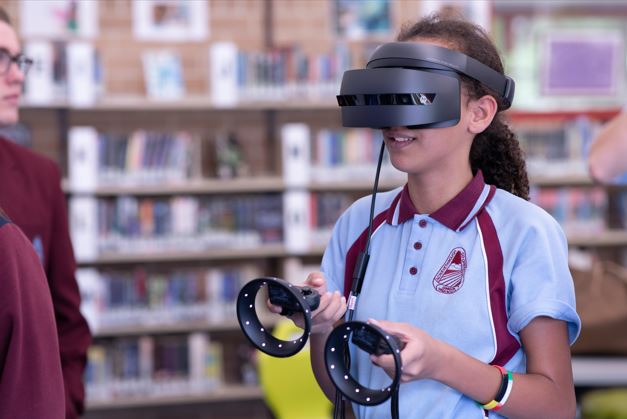
Virtual reality goes further and builds a whole environment around the product, such as a virtual test drive in a new car.
People tend to remember things they've done better than things they've read about, which is the main argument for interactive launches.
Improving Storytelling with Mixed Reality
A good launch tells a story about what the product makes possible, not only about its specs.
MR lets you show that story. A company launching a fitness wearable could let users try a short guided workout in AR and watch their stats appear in real time.
A fashion brand can offer virtual try-ons through Snapchat or Instagram AR effects, so shoppers see how a new piece looks on them.
This kind of storytelling puts the customer at the center, which makes the experience feel personal.
Reaching a Global Audience
A traditional launch event only reaches the people in the room, usually press, partners and a few invited guests.
An AR effect or a browser-based 3D experience can reach anyone with a phone. Headset experiences have a smaller audience, but they can be offered worldwide too.
A shoe brand could release the same AR try-on in New York, Tokyo, Paris and São Paulo on the same day, without flying anyone anywhere.
People also like to record and share these experiences, which can keep a launch in social feeds long after the event.
Engagement Through Interactivity
MR launches turn viewers into participants.
That could mean tapping to change a product's color in AR, playing a short game-style demo, or walking around a virtual showroom.
Hands-on experiences tend to stick in memory, and trying something, even virtually, can make people more confident about buying it.
For brands, that engagement is measurable as well. You can see which features people explore and how long they stay.
Using Data From MR Launches
MR experiences also produce useful data for marketing and product teams.
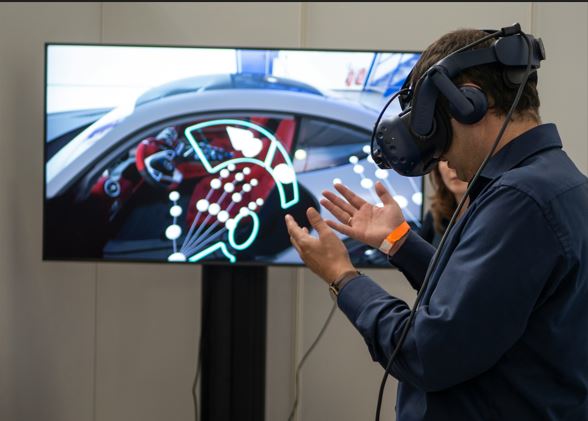
Beyond attendance, analytics can show which features got the most attention, how long people spent on each part and where they dropped off.
That level of detail is hard to collect at a physical event. Marketers can use it to plan follow-up campaigns, and product teams can see what people care about. Tell users what you collect and get consent where the law requires it, especially for camera or location data.
The numbers also help you judge whether the experience was worth the investment.
Examples of Brands Using Mixed Reality
Car makers have used AR configurators and VR test drives to show new models before they reach dealerships.
Fashion and beauty brands use virtual try-ons for clothes, shoes and makeup.
Apple lets shoppers view many of its products in AR straight from its website, and IKEA lets customers place furniture in their homes before buying.
MR isn't limited to one industry. Electronics, retail, furniture and entertainment brands all use it.
Early adopters get the advantage of novelty, but the experience still has to be useful. A gimmick that doesn't help people understand the product won't sell it.
What's Next for MR Launches
As AR glasses and VR headsets get lighter and cheaper, more people will be able to join these experiences.
Shared virtual spaces, where many people attend a launch together and talk to the brand's team live, are already being tested.
Faster networks and AI will make these events look more realistic and easier to personalize.
Conclusion
Mixed reality can turn a product launch from a one-off announcement into something people take part in.
It combines interactivity, storytelling, global reach and useful data. Start small, for example with an AR try-on or a 3D product view, and build from there.


