
You know that feeling when you post a great Reel, and suddenly it pops up in places you never planned? Maybe on someone else’s page. Maybe as part of a remix you did not approve. Maybe in a new surface inside Instagram that you did not expect.
That lack of control used to bother a lot of creators, especially those who rely on their content for a steady income. Meta finally heard the complaints, and now creators get more control over how their Reels get reused. It is a small shift on paper, but it changes the creator experience in a big way. You get clearer settings. You get more say. You get a stronger shield for your work.
This matters even more if your Reels help you build a brand. A service. A community. When you know exactly where your content goes, you can stay confident. You can also protect your identity, voice, and style. That sense of ownership gives you more freedom to experiment.
Here's what these controls do, why they matter, and how to use them to stay in charge of your creative work.

Meta’s New Reels Permissions Explained Simply
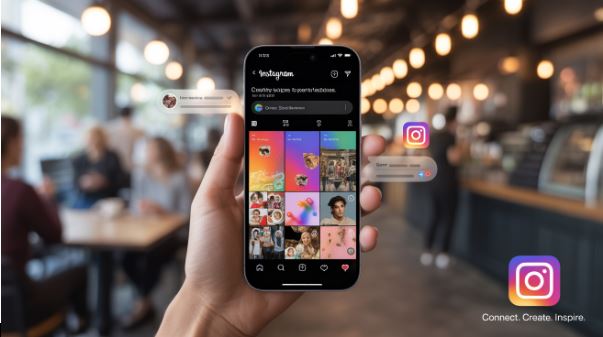
Instagram's Sharing and reuse settings let you decide whether other people can build on your content. You can allow or block remixes of your reels, feed videos and photos, decide whether people can download your reels, and change the setting for individual posts. You'll find them in Settings under Sharing and reuse.
The big shift is freedom. You no longer rely on default options that used to favor wide re-use. Now you choose how others interact with your content, which puts power back into your hands. It also helps you build a safer creative space.
These permissions matter for creators who protect their ideas. Think fitness trainers, educators, or coaches. Their style is part of their brand, and having strangers repurpose their voice can confuse. Clear permission controls fix that.
Why This Update Helps You Build a Stronger Brand
Your content is your digital storefront. When someone reuses your work without context, it can change how people see your brand. This update helps you avoid that. You can choose how your Reels appear across Instagram plus Facebook, which protects your tone, message, and visual style.
Brand trust grows when your content looks consistent. If your Reel shows up attached to something messy or misleading, it hurts that trust. These new settings act like a filter and keep your content aligned with your values.
This matters even more for service-based creators. You sell ideas and guidance. You rely on clarity. When your content stays in environments you approve, your message stays sharp. You keep the experience tidy for your audience.
The New Remix Controls Give You Real Choice
You can set a default for your whole account and then make exceptions. Leave reuse on for content you're happy to share, and switch it off for a reel you want to keep exactly as it is. Each choice changes how your content travels.
This flexibility lets you shape your collaborations. Maybe you love seeing people use your audio, but you do not want them to place your face next to theirs. Or maybe you enjoy template re-use because it spreads your design style. You get to choose the version that feels right.
Reels that include your likeness often matter most. These settings help you decide when that likeness travels, which can protect your personal safety, too. A small but important detail.
How Template Controls Protect Your Creative Style
Templates became a quick way for people to borrow your flow. Your transitions. Your rhythm. It felt flattering sometimes, but other times, it crossed a line, especially when the template felt too close to your signature style.
The same reuse setting decides whether others can build their own reels on top of yours. Remixes and templates can spread your influence, but they can also dilute your brand if they appear everywhere, so it's worth choosing deliberately.
This is helpful for creators who polish every frame. Designers. Editors. Videographers. Coaches who use specific formats. With template control, your creative fingerprint stays personal unless you choose to share it.
Meta’s Push Toward Creator Autonomy
Meta wants you to feel in charge. That is the heart of this update. For years, creators asked for clearer boundaries around how their Reels get reused. Many felt uneasy when their original clips popped up in places they never expected. Meta finally listened.
This shift is not just a technical tweak. It is a cultural one. Meta is trying to signal that creators deserve more say in how their work spreads. You can feel the change in the tone of their release notes. More human. Less corporate. More “we hear you.”
This autonomy also gives you room to experiment again. You can try out new formats without worrying that a rough draft will resurface in someone else’s feed.
So, you get freedom plus protection. A rare win. This makes Instagram feel like a safer place to test, play, and build without fear of misuse.
Why This Matters for Brand Collaborations
Brands love clarity. They love structure. They want to know exactly where your content shows up. When you have control over Reel reuse, you can give brands that clarity without breaking a sweat.
Say a brand hires you for a sponsored Reel. With reuse switched off for that reel, people can't remix or download it inside Instagram, which helps keep the brand's message intact. Screen recordings are still possible, so these settings reduce misuse rather than prevent it completely. Brands want that. It protects their image, and it helps them trust you with bigger campaigns.
You can also negotiate stronger terms. “Control of distribution” suddenly becomes a deliverable rather than a vague hope, which boosts your value immediately. You become a partner, not just a content supplier.
This creates smoother workflows between creators and agencies. Less chasing. Fewer awkward emails. More confidence on both ends. It sets the stage for better-paying deals.
The Impact on Remix Culture
Instagram’s remix culture grew fast, but it also caused some friction. Many creators felt like their work was getting clipped, twisted, or reused without context. It felt like losing control of your voice.
Now you get to decide if your Reel can be remixed at all. That does not kill creativity. It directs it. When you open remixing on purpose, you invite new voices into your world. When you turn it off, you protect your message. Both choices are valid.
This also helps reduce the noise. Remixes will come from creators who truly want to add value, and not from random accounts farming engagement. You get fewer low-effort copies and more thoughtful reinterpretations.
So remixing becomes a tool again. Not a threat. Not a gamble. Just an option you flip when you are ready.
A Boost for Creator Confidence
You work better when you feel safe. Meta seems to understand that now. This new control panel for Reel reuse gives you a psychological edge. You know what is happening behind the scenes. You know who can touch your content. You know what stays yours.
That certainty helps you create more. You can take risks. You can post drafts. You can build a series. You can experiment with humor, tutorials, or storytelling without fearing that someone will pull your clip into a place it does not fit.
Confidence shows up in your work. It gives your videos a spark. Audiences feel that spark. Algorithms pick it up, too. So control does not just protect you. It elevates you.
When a platform makes you feel respected, you stick around. This update nudges creators closer to that feeling.
How This Update Levels the Playing Field
Big creators have always had unofficial protections. Brands watched them closely. Fans reported misuse instantly. Smaller creators never had that luxury, as their Reels got reused more often and with less accountability.
These new settings shrink that gap. Now, your account size does not decide your protection level. Everyone gets the same tools. Everyone gets the same boundaries. Everyone gets the same shot at being taken seriously.
It also helps newcomers find their footing. You can build your style before letting others remix it. You can fine-tune your message before it spreads. You can grow at your own pace. No jumping into the deep end before you are ready.
A fairer system encourages fresh talent. It keeps the community healthy and invites more voices into the space without overwhelming them. A solid step forward.
What This Means for Cross-Platform Posting
You probably post across several apps. Most creators do. Maybe you start on Instagram Reels. Then you repurpose that clip for TikTok, YouTube Shorts, or even Pinterest video pins. It is your workflow. It is fast and saves time.
Meta’s new controls help you manage that flow without losing your grip on how your content spreads. You decide when a Reel stays “Instagram-only.” You decide when it can be remixed or reshared. That matters when you have a content calendar that runs across four or five apps.
Some creators hold back from posting drafts or early cuts on Instagram because they worry those versions will get reused in ways that clash with their plans for other platforms. With reuse turned off, you can share test content more comfortably.
It also helps you manage exclusivity deals. Say a brand pays you for first-post rights on Instagram. You can stop others from lifting your clip before you have time to publish it on other platforms. Clean. Simple. No drama.
In short, cross-platform posting becomes smoother. You get to stick to your schedule. You get to protect your brand voice. You get to move without chaos tripping you up.
How Agencies and Managers Will Adjust
Managers love structure as much as brands do. This update gives them more leverage, plus cleaner workflows. Agencies can now build campaign guidelines that include “reuse permissions” as part of the creative brief. Not an afterthought. Not a last-minute worry.
It also helps them defend you when content issues pop up. If someone reuses your Reel without permission, your manager has firm ground to stand on. They can point to your settings rather than argue based on vibes, which makes disputes faster to resolve.
Agencies can also pitch you more confidently to brands. When your rep can say, “We control distribution,” it sounds like you run a tight operation. It signals professionalism. That boosts trust, and trust boosts paychecks.
This also reshapes how agencies plan collaborations between multiple creators. They can secure permission from each person cleanly. No more guessing who allowed remixing and who did not. Everyone’s settings become clear from the start.
So workflows get smoother. Negotiations get easier. You get fewer headaches. Managers breathe easier.
Where This Could Go Next
Meta rarely stops after one update. When they shift in a new direction, it usually means they are testing future tools. More creator control might be the start of something much bigger.
You could see deeper analytics around reuse. Maybe a dashboard that shows every remix, reuse, or derivative Reel, complete with engagement stats. That would help you see which styles spark community creativity.
You might also see “partial permissions.” For example, maybe you allow remixing but only with your original audio. Or only for accounts above a certain size. Or only for accounts you follow. Meta has played with these ideas in other features. It would not be surprising to see them applied here.
There is also a good chance Meta will expand this to long-form video. They want to push video everywhere. Reuse controls might spread to Stories, feed videos, and even future formats.
This update feels like a foundation. A sign that Meta wants to give creators guardrails without killing creativity. Once a platform starts giving creators more authority, it usually keeps going.
Why This Update Reflects a Bigger Trend
Creators asked for protection for years. Platforms ignored it. Engagement came first. Traffic beat boundaries. That era is ending. Platforms now understand that creators are the engine. No creators means no content. No content means no ad revenue.
Giving you control is not kindness. It is a strategy. Meta is doing what TikTok, YouTube, and X are also doing: making creators feel valued so they keep producing. You might call it “creator care.” Or maybe “creator survival mode.”
This trend is shaping every platform decision we see now. More monetization tools. More safety switches. More transparency about where your videos go. It feels like platforms finally realized that creators are not just users. Creators are partners.
So expect more autonomy. Expect clearer tools. Expect more collaboration between platforms and the people who fill those platforms with life.
This update is Meta saying, “We know you are the reason the feed moves.”
Conclusion
Meta’s new control features for Reels reuse are a meaningful shift. They give you power you did not have before. They give you room to breathe. They let you shape where your content goes and how it evolves. That matters when your work is public, fast-moving, and often misunderstood.
The ripple effects reach far. Your brand deals get stronger. Your creative process gets safer. Your cross-platform posting becomes smoother. Your community feels more intentional. You get a clearer sense of ownership at a time when every platform is crowded and loud.
This update also signals something bigger. Platforms finally know that creators are not accessories. You are the source. You are the spark. You deserve tools that protect your voice and respect your craft.
Use these settings. Play with them. Test how they shape your workflow. You will find a rhythm that gives you more control, plus more peace of mind!


