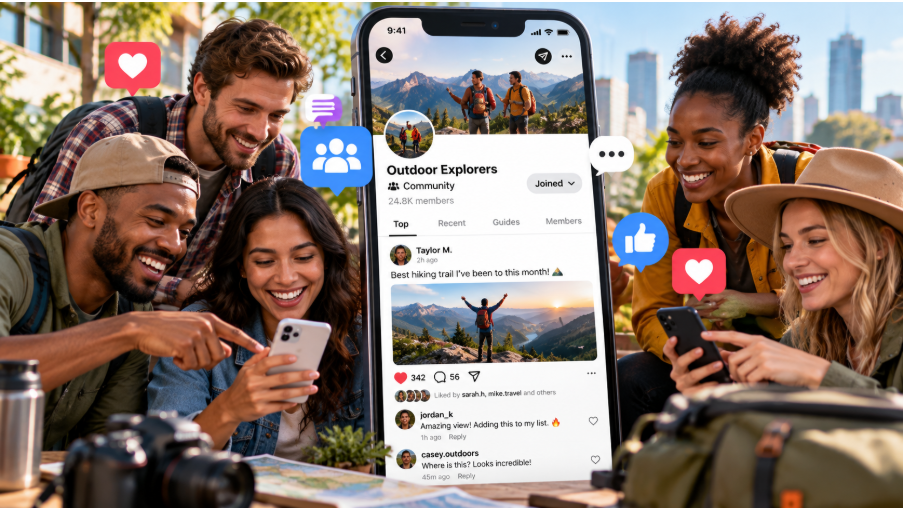
When managing multiple social media accounts, one of the challenges you are likely to face is creating content for different platforms. Even when you have the idea, it can take time to turn it into social media posts, especially when each post requires unique brand designs, a brand tone, and a custom design.
One way to make the whole process easier is to use content templates. In this article, we guide you on how you can use a template to speed up your content creation and enhance quality.

What is a Social Media Template
A social media template is a pre-designed layout that can be customized for different social media audiences, whether it’s a Facebook ad, an Instagram announcement, or a LinkedIn update. Instead of having to create a social media post from scratch, a template lets you change only the text, images, and colors while maintaining a consistent brand. It can, therefore, be an important element of managing multiple social media accounts like a pro.
A good social media template should consist of:
- Your branded elements, such as fonts, brand colors, and logos.
- Good text placement, in areas like headlines, captions, and hashtags.
- Better customization. It can enable you to switch out text, update an image, or quickly tweak the design.
- Size optimization. It should be adjustable for Facebook, LinkedIn, Instagram, and other platforms.
How Templates Help in Social Media Content Creation
Using social media templates has a lot of benefits, such as:
- More efficiency. Instead of creating your content from scratch, you can use a social media template to enter your new content, enhancing the content production process.
- Time saving. You can imagine a situation where you have pre-designed posts where all you have to do is update the image and text before clicking on the post. This will eliminate the scramble of trying to think of the content to post and wasting hours predesigning when cross-posting across TikTok, Reels, and YT shorts.
- Ensure brand consistency. With templates, you can ensure a consistent look and feel across social media posts, strengthening your brand identity and recognition. Templates ensure that each post matches your brand color, tone, and look, making it easily recognizable
- Better workflow. Social media templates let you create content in batches, making it easy to manage multiple accounts simultaneously.
- Better content output. Using a predefined, professional design can reduce the risk of off-brand or poor-quality content.
- Versatility. You can add social media templates to suit different content types, such as quotes, blog links, and promotions, while maintaining a consistent brand voice.
- Higher engagement. When you have clean, well-designed posts, you can gain more comments, likes, and shares than with cluttered graphics. Templates can ensure that your content remains appealing, encouraging people to visit, read, and interact with it.
A good template ensures your content is ready to go with a single click. With the right templated content creation tools, you can create new assets and have a consistent social media branding across different platforms, team members, and posts.
Steps in Creating a Good Social Media Template
To have an outstanding social media content template, follow these steps:
- Determine your social media goals. Before you start creating the social media template, you need to understand what you want to achieve with the template. This will also ensure that you create a template that best aligns with your overall social media strategy.
- Choice of a social media platform. You need to consider the social media platforms you will be using the template on. Go with the ones that are relevant for your brand and its target audience.
- Align with brand guidelines. Understand your brand guidelines to align with the template. Consider your brand colors, logos, fonts, and other important visuals you will be using in the template.
- Consider your content categories. Make sure you categorize your content, such as customer testimonials, product features, industry updates, and company news. When you align these categories, you can better organize your content and have a range of content.
- Have a content calendar. To better plan your content in advance, have a content calendar. This will show different metrics, such as the best posting time, based on your audience’s behavior.
- Create the template. You can use tools such as Adobe Express and Canva to create your template. Add the necessary content categories, brand elements, and space for the post copy.
- Share the templates. Make sure all your team members know the template exists and will use it for posting.
Best Practices in Creating Social Media Templates
To have a good and professional-looking social media template, use the following best practices:
Keep It Simple
People scroll quickly, so if a post looks cluttered or busy, they will skip it and keep scrolling. You can ensure your templates have an easy-to-read design through the following tips:
- Use legible fonts. While a fancy script font can look nice, if it doesn’t allow people to read what they say instantly, it may not work for your brand. This is why it’s advisable to stick with a simple font.
- Be minimalistic. If you cram too much text or too many elements into the template, it may turn off readers. This is why you should focus on creating headlines that are as simple and attention-grabbing as possible.
- Make the text stand out. If you have a light background, make the text dark and vice versa. The higher the contrast, the better the readability.
- Use small chunks of text. Each design element is usually easier to read than long paragraphs.
Before finalizing the template, look it over and see if you can understand it in 2 seconds.

Use Branded Fonts and Colors
Branding matters a lot, and if you use random colors and fonts, it will be harder for your audience to recognize your brand. There are several tips you can use for consistency:
- Use one or two fonts. You can have one for the headings and another for the body. If you have too many fonts, these may look messy.
- Use two or three colors. These should align with your business theme, website, or logo.
- Subtly use logos. You can place your logo in the corner to enhance your branding without overwhelming the design.
Make the Graphics and Images High-Quality
Using a blurry, pixelated image makes your business look unprofessional. To make your images and graphics outstanding:
- Use high-resolution and clear images. If it’s product photos, take them in good lighting while keeping the hand steady.
- Use professional stock images. If you don’t have images, you can find quality ones on platforms such as Pexels, Pixabay, and Unsplash. However, be sure to select authentic and relatable images.
Create Different Template Sizes
Remember that each social media platform has its own guidelines for images. If you don’t use the right image size, it will be stretched, blurry, or cut off.
Here are the recommended image sizes for different platforms:
- Instagram Reels and Stories. Vertical format of 1080 by 1920 pixels.
- Instagram Feed. A portrait format of 1080 by 1350 pixels.
- Facebook and LinkedIn posts; landscape format, 1200 by 628.
- X (Twitter). A wide format of 1600 by 900 pixels.
- Pinterest Pins. Tall format of 1000 by 1500 pixels.
Ensure the Template is Customizable
An outstanding social media template should be flexible, allowing you to update the image, change the text, or adjust the colors without completely redesigning the template.
Here are some best practices for creating a customizable template:
- Leave spaces for some text overlays. If you are announcing a new offer or promotion, include a new space to add the text.
- Use different layers. Make sure the text, images, or logos remain separate so they can be individually separated.
- Add a few variations. Adding different layouts in a similar style can help you mix things up while staying on brand.
In Conclusion
A good image template can make the whole process of creating social media posts easier and faster. It can save you time as you don’t need to create every new post from scratch. Therefore, use the tips above to create an outstanding social media template.