
In the early days of influencer marketing, many brands focused on reaching as many people as possible. However, if you are reaching millions of people who are not interested in your product or service, you only end up wasting your ad budget. This is why a better strategy would be to focus on reaching an audience that is already interested in your products or services.
It is with this discovery that we have seen the rise of nano and micro influencers in brand marketing. While these influencers may have a smaller following, they have a niche audience that trusts their recommendations. In this article, we guide you on how to leverage micro-influencers for niche marketing.

What are Micro Influencers?
There are different types of influencers depending on their follower count. Micro-influencers are creators who have between 10,000 and 100,000 followers. Even though they don't have the millions of followers like celebrity influencers, they already have an engaged audience. They create content in a small niche that helps them gain an audience interested in that niche. That means they are seen as experts in that particular niche.
Micro-influencers have built a strong relationship with followers because they have more relatable and authentic content. You can use several characteristics to identify the micro-influencer, such as:
- Niche expertise. Micro-influencers focus a lot on a specific niche, industry, and lifestyle, meaning that they genuinely attract an audience already interested in the topic.
- Authentic and trust-building. Micro-influencers have a close relationship with their followers, meaning that when they endorse a product, the endorsement feels more genuine.
- Higher engagement. People who follow micro influencers take their recommendations like those of a close friend, resulting in higher engagement and conversion rates.
- Cost-effective. As compared to working with macro or mega influencers, micro influencers are more cost-effective. This means brands can collaborate with several creators within their budget.
Why Micro Influencers Are Effective for Niche Marketing
When searching for an influencer to reach a niche audience, micro influencers are the best type for doing that for several reasons, such as:
Higher Engagement Rate
Statistics indicate that micro-influencers have one of the highest engagement rates, at an average of 7.2% compared to 1.4% for macro influencers in the same industry. This difference can be attributed to the level of trust and community they have cultivated with their audience.
People who follow micro-influencers are 3.8 times more likely to comment, share, or save content compared to someone else with a bigger account. A higher level of interaction results in higher visibility and organic reach, which is key for brands seeking a higher engagement rate. While they have a smaller following, their followers are more invested in their content.
Better Relationships with Niche Audiences
Mega influencers have a following spanning different niches, meaning that people follow them for who they are rather than the content they create. On the other hand, the people who follow micro-influencers do so because of their content rather than their names. The content could be in different niches such as plant care, specialty coffee, and sustainable fashion. Micro-influencers help brands get in front of the right audience without wasting their ad budget.
For instance, a company that sells vegan snacks can engage micro-influencers sharing content on vegan workout nutrition and routine. This ensures that the messaging can reach the right audience, already interested in a healthy lifestyle and vegan products. This is also an advantage to them as they can use audience insights to create better content.
Cost-Effective Marketing
Compared to working with mega influencers, micro-influencers are usually more cost-effective. On top of the direct cost of hiring the micro-influencer, the brand can save the cost of providing basic guidelines and provide influencers with the flexibility to create content that resonates with your audience.
Higher Level of Trust
Trust is a major factor in decision-making, and micro-influencers have an excellent relationship with their followers. This is important for brands in an era when audiences are increasingly becoming apprehensive about the intention and motive of brands.
Micro-influencers are seen to be more relatable, authentic, and engaging in the kind of content they create. When they recommend a product, they do so in an authentic way, instead of posting overtly polished content. Many social media followers find that this kind of content resonates with them, leading to a better customer relationship and a great impact on the purchasing decision.
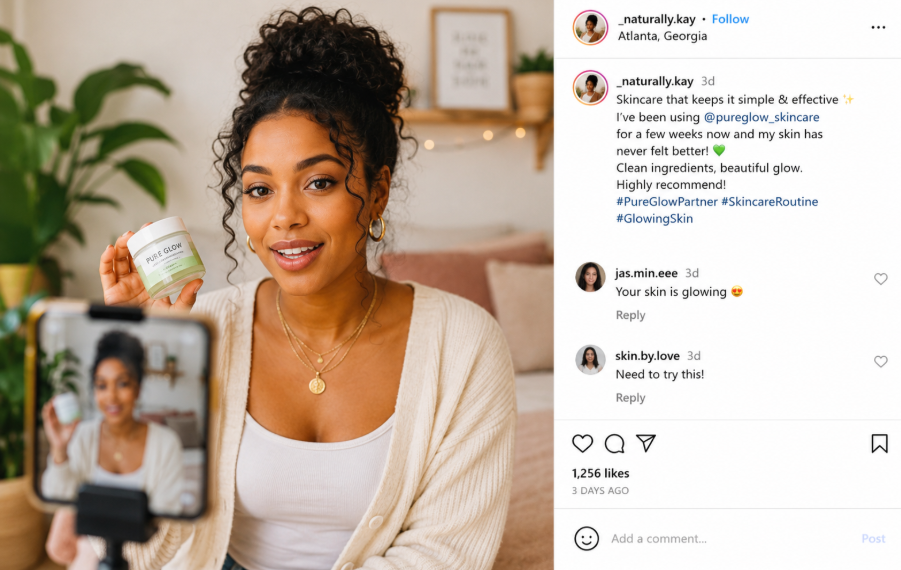
For instance, when a micro-influencer can share their skincare regimen and tips, they are more likely to be seen as genuine in their product recommendation.
Creating a Micro-Influencer Marketing Strategy for Niche Audiences
Here are the steps to follow when creating a micro-influencer marketing strategy:
Choose the Right Micro Influencer
For you to succeed in a micro-influencer marketing campaign, you need to start by selecting the right partner and social media platform. Instead of focusing on the follower count, you need to find an influencer whose values, content, and audience align with your business needs.
To do that, you should consider several key factors, such as:
- Engagement rate. Check how the influencer’s audience looks, comments, and even shares content.
- Niche relevance. Consider if the audience of the micro-influencer aligns with your brand, product, or industry.
- Quality of content. Consider if the messaging and style of the influencer align with that of your brand.
You can use search tools on social media or influencer marketing platforms to find micro-influencers.

Partner with the Micro Influencer to Create Authentic Content
One of the reasons why micro influencers are effective is their ability to create authentic content. Therefore, when partnering with these creators, avoid providing them with scripted promotion and instead encourage them to share their real user experience of your product.
Here are a few tips for ensuring authenticity when partnering with an influencer:
- Provide them with the desired creative freedom. Micro-influencers are followed by their audiences because of their unique style and voice. Therefore, avoid providing them with rigid guidelines that may impact their authenticity.
- Encourage storytelling. You want to ensure that the content the influencer is creating feels organic, whether it is in the form of behind-the-scenes content, product reviews, or even personal stories.
- Provide value beyond sponsorship. You can provide the micro-influencer with an exclusive discount, access to products, and even an opportunity for a long-term partnership to strengthen your relationship with them.
Track the Success of Influencer Marketing
To determine if your campaign with a micro-influencer is working, track different metrics, such as:
- Website traffic/conversion. You can use UTM codes, promo codes, and trackable links to track the number of people visiting your site and buying.
- Engagement rate: Track the number of likes, shares, comments, and direct messages to determine if your content resonates with the target audience.
- Brand awareness/follower growth. Track whether your brand mentions and follower count reflect a growing audience.
At the beginning, you shouldn't expect to see a huge volume of sales, but they impact brand perception, trust, and customer loyalty, which can result in long-term loyalty.
Challenges in Micro-Influencer Marketing
Despite its many benefits, working with micro-influencers also comes with challenges. These range from finding a good influencer to managing several partnerships. Additionally, as influencer marketing becomes popular, it is becoming harder to find the right influencer.
When finding a micro-influencer, you need to differentiate between a content creator and an influencer. While a content creator focuses on outstanding written, visual, and video content, influencers focus more on brand collaboration and higher engagement. A good idea would be to focus on a partner who balances both. This makes it easier for you to find the right partner by filtering using factors such as engagement, audience demographics, and niche. You can also check the current brand advocates already mentioning your brand.
Since micro-influencers are more cost-effective, it means you can have an opportunity to work with several of them. However, you will need to balance quality and quantity. Having many partners will not necessarily guarantee better results, particularly if they aren't aligning with your brand. A good idea would be to focus on volume and ensure that you select influencers with a relevant audience and who are ready to invest in a long-term relationship, compared to a one-off post.
Instead of working with one macro or mega influencer, you will need multiple partners in a micro-influencer campaign. This can prove challenging to manage, as you need to coordinate the content to have consistent messaging and ensure you are tracking the performance of different influencers. The good news is that there are some influencer management tools you can use to streamline the process, create a clear contract, and ensure ongoing communication.
Agree on disclosure before the first post goes live. Every sponsored or gifted post should carry a clear label, like the paid partnership tag, so followers know about the relationship.
In Conclusion
There is no doubt that micro-influencers are more effective for reaching niche audiences because they have a highly targeted audience. By following our guide, you can effectively use micro-influencer marketing to reach this audience, increase your credibility, and build meaningful engagement.


