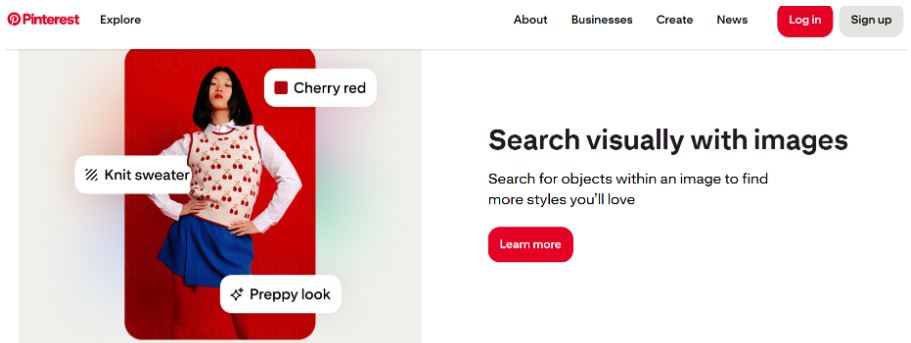
There is no doubt that Pinterest is one of the best platforms for bloggers and website owners. Since it's a visual search engine with around 600 million monthly users, it is one of the best options for driving traffic to your website. Additionally, Pinterest visuals rank on Google, so when you optimize your visuals, you can gain visibility among Google users searching for images in your niche.
That is not all. Pinterest has a reputation for attracting high-net-worth pinners. Pinterest says that 45% of people in the US with a household income above $100,000 use the platform, and most weekly pinners say they have discovered new brands or products there. Therefore, whether you run an e-commerce store, are an affiliate marketer, or a blogger, you can use Pinterest to drive traffic to your site. In this article, we will guide you on how to do that.
Why Pinterest for Blog Traffic?
Here are some reasons to consider using Pinterest for driving traffic to your blog or website:
Effective Traffic Source
Pinterest has long been one of the strongest social platforms for sending traffic to websites, because pins link straight to the source. It is, therefore, a more effective social media platform for driving traffic than larger platforms like Twitter, Instagram, and TikTok. Take note that Pinterest isn't about scrapbooking or your art-and-craft blog. It is a powerful platform that can change your platform.
Long-term Organic Traffic
When you drive traffic to your blog from Pinterest, this isn't a one-day traffic that quickly dies off. Pinterest traffic is usually organic. The post on the platform can continue generating traffic for months or years after the initial pin. This is because Pinterest isn't a social media platform per se, but a visual search engine where people can view and collect content.
Follower Count Doesn't Count
In traditional social media platforms, the more followers you have, the higher the visibility and potential traffic you will have to your website. However, Pinterest isn’t about making friends or followers, and nobody cares about who you are. It's about the content you create and the value it adds to your target audience. This is why you need to understand audience targeting in SEM.
Therefore, when using Pinterest to drive traffic, your goal should be to create outstanding content. Since people visit Pinterest to save images, learn new things, or get inspired, the platform is essential for social media outreach strategies.
High-Income Audience
Pinterest reaches a large share of middle- and higher-income households. This is unlike platforms such as Facebook, which attract large audiences across almost every niche and income level. Therefore, when you use Pinterest to attract website traffic, you know you are targeting an audience with considerable purchasing power.
How to use Pinterest for Driving Traffic
As you would expect, if you want to use Pinterest to drive website traffic, you will need a well-optimized Pinterest business account. You can learn more about creating an outstanding business profile in our detailed guide to using Pinterest for brand awareness and conversion. After that, you can use the following tips for driving traffic to your site:
Create Rich Pins
We mentioned the importance of having a business account. One benefit is that the business account lets you create pins in certain formats. These rich pins can assist if you have one of these websites:
- Product-rich pins. These allow you to include details such as product information, pricing, and availability.
- Recipe-rich pins. These can help you add details such as title, cook time, serving size, dietary preferences, ingredient list, and ratings to pins.
- Article-rich pin. You can add headlines, the author’s name, and a description to pins.
With rich pins, you can automatically sync site details, streamlining your content creation and adding to your resource of informative pins. A business account will also enable you to schedule pins for up to 30 days on mobile devices and 14 days on desktops. Business users on Pinterest can schedule up to 100 pins.
Create Pinterest boards aligning with your website
Pinterest lets you create pins about anything that interests you. One of the top steps you can take is creating a board using your blog’s name. This is a good idea because it will enable pinners to discover your articles, whether they search the platform generally or specifically for your blog’s content.
However, you can also create a board aligned with your audience’s interests or blog categories. Consider each blog as a new point of entry for your blog. In the same way, website visitors can navigate your website using the main menu, and you can make it easier for Pinners to find the content they are looking for by organizing it by board categories.
Make sure each board is targeted to users with different goals and interests, while still being part of your core audience. You can name the boards to include keywords users might search for on Pinterest or Google.
Use Blog Posts to Create Pins
You can create pins from your blog posts in two ways. These are:
- Using RSS feed.
- Uploading videos or images from Pinterest.
If you need more control and the option to create multiple pins in a single post, go with the latter. This will enable you to share multiple images from your blog.
Use Pictures that Evoke Curiosity
The choice of images can determine whether pinners are interested in learning more. You want to use images that make them want to know what is happening in the picture. After capturing your audience’s attention, you will need to encourage them to click on your site to learn more about the rest of the story.
A good idea would be to use images with overlaid texts that make it easier for viewers to skim over the image. To be outstanding, choose images that go beyond mere graphic representation or product photos. Instead, use images supporting a story thread. When a pin conveys to the viewer that a story is being shared, it prompts people to stop and look. The longer people view, the higher the chances of a click-through.
Add a Sense of Urgency
By leveraging FOMO, you can get people to check out your blog. For instance, you can feature offers that really do expire soon or limited-edition products. Only use urgency that is true, though, or you will lose readers’ trust. Having a sense of urgency can create the fear of missing out. Therefore, use those pins that will make people nervous that they will miss out when the product is no longer available, unless they immediately click through.
Optimize Pins
As noted earlier, Pinterest is a visual search engine, so you need to optimize your pins to drive organic traffic on the platform and in Google search results. You can have the pins appear in different places, such as the user's home feed, Pinterest Search, Home Feed, Shopping Features, and Related Pins.
According to Pinterest, the top organic pins are:
- Well-written. You should ensure the pins include a strong, relevant title, description, link, and thumbnail.
- Visually compelling and inspiring. Remember that many Pinterest users access the platform on their mobile phones.
- Worth sharing. The more people save or follow your post, the higher your chances of getting seen on the platform.
- Fresh and timely. While Pinterest content will remain visible long after publication, it's advisable to publish weekly and to include a unique element in each pin.
It's advisable to post consistently while closely watching the visuals, particularly the headline and the cover image. These are great elements for increasing the Pinterest CTR. Remember to keep watching Pinterest Trends to see the trending keywords for a certain region at a certain time. You can combine the tool's data with research from the Pinterest search bar, then type a keyword in your niche and let the platform auto-complete it.
If you have a well-optimized SEO blog, you need that to reflect on Pinterest. You can use the same strategy to optimize the Pinterest posts. For instance, after adjusting a Pinterest headline, ensure it includes your primary keyword.
Engage with Your Audience
One of the best tips for driving Pinterest traffic is taking the initiative yourself. You can do that in a different way, such as:
- Engaging with your fellow pinners and followers. As with other social media platforms, engagement isn't a one-way street. If you want the pinners to follow and repin content, you also need to do the same to build authentic relationships.
- Leverage your team. You can ask your team members to share ideas from your boards on their own profiles, as long as it’s genuine and they are open about working for you. You can even create employee spotlight content that highlights your brand.
- Promote your Pinterest account. You can use your other social media account or website to promote your Pinterest account. You can use the Save to Pinterest feature on your blog post or the follow button on Pinterest to make it easier for your readers to engage with your brand from any location
Final Thoughts
Pinterest can be a great platform for driving high-purchase-intent traffic to your site. Therefore, go ahead and use the tips above to drive traffic with Pinterest. As articles get more traffic, pins and shares increase your content's visibility.