On Facebook, “Digital creator” is a category you can choose for your Page or for your profile in professional mode. It isn't a verification badge, and Facebook doesn't award it. When you pick it, the label appears on your profile and tells people that you plan content, publish regularly and treat Facebook as a place for creative work and brand building rather than a private diary.
A digital creator experiments with posts, videos, Reels, and live sessions, and reads data from insights to refine ideas over time. The content usually follows a theme or niche, for example gaming, beauty, travel, or business tips. People who see the label understand that they can expect regular updates, some level of expertise, and a clear style.
The label matters for brands and audiences as well. Brands that see it know they are dealing with someone who takes content seriously and may be open to collaborations. Followers expect consistency, reliability and a recognizable voice. In short, the label is less a job title than a signal of intent.
Digital Creator vs Traditional Influencer
Digital creators and influencers share similar tools, yet their focus can differ. Influencers often center their work on personal image and brand deals, with content built around lifestyle, product placement and sponsorships. A digital creator starts from content first and influence second. The core question is less “how do I promote this brand” and more “what content will serve or entertain my audience”. Digital creators usually produce tutorials, series, episodic shows, explainers or niche commentary that stand on their own, even without a sponsor attached. In practice, many people blend both roles.
Why Facebook Uses the Digital Creator Label
The Digital creator category helps people tell everyday posting apart from structured content production. When viewers, brands and advertisers see it, they know the account invests time, planning and consistent effort in what goes out.
It also fits with Facebook's professional tools. Creator Pages and profiles in professional mode get access to insights and, if they're eligible, monetization features. For creators themselves, the label makes it easier for brands to recognize them as potential partners.
Understanding the Role of a Digital Creator
A digital creator on Facebook wears several hats at once: writer, director, editor and community manager, whether as one person or a small team. The role blends creativity with steady systems and data-driven thinking. A typical creator defines the mission of their Page, such as teaching skills, sharing reviews or telling stories from a specific point of view, and then maps out regular series like weekly tips, reaction videos, behind-the-scenes clips or Q&A sessions. Engagement doesn't stop when the post goes live. Creators respond to comments, gather feedback and use it to plan future content.
Revenue, for many, sits within this role as well. Creators explore ad revenue, fan support, and brand partnerships. They study which formats bring meaningful attention and which ones attract the right partners.
Community Building and Engagement
Digital creators do not simply broadcast; they run communities. They ask questions, reply to comments, and encourage followers to talk to each other. This two-way flow turns passive viewers into active participants who feel seen and heard. A creator might run polls, host live Q&A sessions, or invite followers to share their own stories under a hashtag.
Engagement also shapes the tone of the page. Some creators keep it light and playful, others focus on deep discussions and practical advice. The most successful ones set clear norms for how people speak to each other in comments so conversations stay respectful. They highlight good contributions from followers and sometimes give them a spot in future content.
Brands notice this level of engagement. A community with steady, genuine interaction carries more weight than a large but silent follower count. When a creator can show strong comment threads, reactions, and shares, it becomes easier to negotiate partnerships or long-term collaborations.
Using Facebook’s Creator Tools
Facebook offers a wide range of creator tools that support planning, posting, and analysis. Digital creators use the professional dashboard, and Meta Business Suite to manage content and monitor results. These tools help with scheduling posts, trimming and editing basic video clips, and tracking metrics such as reach, watch time, or audience demographics.
Creators lean on these insights to learn what their viewers respond to. If short Reels perform well, they may adjust the calendar to include more bite-sized clips. If long-form videos hold attention, they might build series that dig deeper into subjects. The tools also support team workflows, granting access to editors, moderators, or partners.
For anyone serious about creating on Facebook, getting comfortable with these tools is part of the job.
How Content Creation on Facebook Evolved
Content creation on Facebook has traveled a long path from simple text updates to complex, multi-format storytelling. In the early years, most activity focused on status posts and photo albums shared with friends. Over time, public Pages opened the door for brands, media companies, and early creators. Video support, live streaming, and Reels later expanded what a creator could do on a single platform.
As the platform matured, audience expectations changed. People started following Pages for niche content rather than only for personal connections. That shift created space for digital creators who saw Facebook as a place to host shows, build brands and run businesses, and who set themselves apart from everyday posters.
Tools for insights, monetization, and cross-platform posting followed. Creators gained access to dashboards that looked more like media control panels than simple profiles. This evolution turned Facebook into a base where someone can plan, publish, test, and earn from a single hub, even if their content branches into Instagram or other channels.
From Status Updates to Rich Media
At first, Facebook content focused on short text updates and simple photos. As mobile cameras improved and connection speeds increased, richer media formats took center stage. Photos became more polished, video uploads became normal, and creators began to treat their Pages like channels. They tested different lengths, formats, and editing styles until they found what held attention.
Today, a digital creator might share everything from vertical Reels to horizontal long-form videos on the same Page. They might pair a short tip reel with a detailed caption, then follow it with a carousel of images that break the idea into steps. This mix gives viewers several ways to consume the same message, depending on time and preference.
Text still plays a role, especially in storytelling captions and discussion posts, but most creator content today leans toward visual and audio-rich formats.
The Rise of Live Streaming and Real-Time Interaction
Live streaming turned Facebook from a static feed into a real-time stage. Creators can press “Go Live” and instantly speak with viewers through comments, questions, and reactions. This format works well for product launches, behind-the-scenes tours, workshops, and casual “hangout” sessions. It shortens the distance between creator and audience, since viewers can shape the session through their input.
Many digital creators build recurring live shows, such as weekly coaching sessions, game nights, or interview series. Regular timing helps the audience plan their day around the stream and treat it like a show on a digital network. Replays extend the life of each session, reaching people who could not attend in real time.
Live streaming also gives creators strong signals about what people care about. Repeated questions, emotional reactions, and peak viewer times guide the next wave of content ideas. That loop makes live sessions an important part of a creator’s toolkit.
Pages, Groups, and Niches
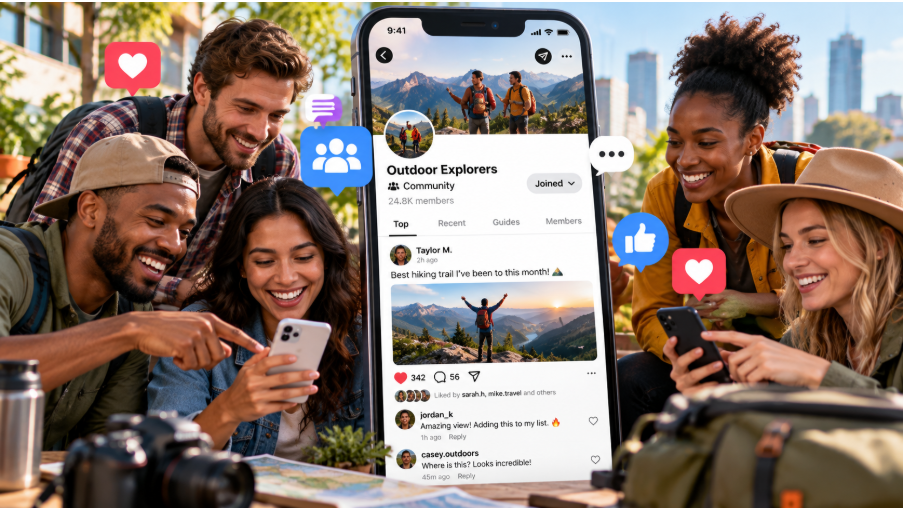
Facebook Pages and Groups gave digital creators structure for building niche audiences. A Page acts as the public front door, where new people discover the creator through shares, search, or recommendations. Groups, on the other hand, give followers a more intimate space where they can talk, ask questions, and post their own content within shared rules.
Creators often link a Group to their Page and use both in tandem. The Page hosts polished content such as videos, Reels, and announcements. The Group hosts deeper discussion, feedback, and community-driven posts. Together they create a layered experience for the audience.
Niche focus is key. Rather than trying to please everyone, effective creators pick a clear topic or angle. They might talk about small business marketing, home workouts, or specific games. That clarity helps attract people who care deeply about the subject, which in turn supports stronger engagement and loyalty.
Types of Content Digital Creators Publish
Digital creators on Facebook rely on a wide range of formats to reach different parts of their audience. Short clips, polished long videos, image carousels, text posts, polls, and live streams can all exist within one content plan. The mix depends on the creator’s strengths, their niche, and the habits of their followers.
Variety is a common trait among digital creators. A creator might deliver a quick tip in a 30-second Reel, then post a ten-minute breakdown on the same topic later in the week. They might share memes to keep the feed lively, add behind-the-scenes photos and run polls to gather opinions.
Each format serves a purpose. Short clips can grab new viewers. Longer videos build trust and authority. Image posts can highlight products or visual ideas. Text and polls help start conversation. Live streams deepen connection. Creators who treat these formats as parts of a system can maintain interest and adapt as platform trends shift.
Short-Form and Long-Form Video
Short-form video, such as Reels, helps creators reach new viewers fast. These clips often focus on a single idea, punchy visual, or quick laugh. They can spread quickly through shares and recommendations, which makes them valuable for discovery. Many creators film vertical clips that work on both Facebook and Instagram to save time.
Long-form video, hosted on Facebook, allows for deeper teaching, storytelling, or entertainment. Creators can break down complex topics, run product demonstrations, or publish episodic series that keep viewers coming back. Watch time and retention become key metrics, so creators pay attention to hooks, pacing, and structure. A balanced content plan uses both. Short clips pull people in. Longer videos convert casual viewers into regular followers who understand the creator’s message and style. Subscribers often start with a reel and end up watching a full playlist once trust forms.
Images, Graphics, and Memes
Images still play a large role in the creator toolkit. High-quality photos, infographics, and image carousels help explain ideas in a quick glance. A creator might post step-by-step graphics for a recipe, workout, or tech tutorial, each slide building on the last. Infographics work well for facts, checklists, and comparisons that viewers might save for later.
Memes bring humor and relatability into the mix. When used with care, they show that the creator understands the audience’s daily life and inside jokes. Reaction images, trending formats, and custom memes can keep the feed lively between bigger content drops. Graphics also support branding. Consistent colors, fonts, and layouts help viewers recognize the creator’s posts even before reading the caption. Over time, this visual identity strengthens recall and gives the Page a cohesive look, which supports growth and professional positioning.
Text Posts, Polls, and Interactive Formats
Text posts remain powerful, especially for creators who excel at writing. Short prompts, mini essays, or storytelling threads can spark long comment chains. Questions such as “What is your biggest challenge with X?” or “Which option do you prefer and why?” invite the audience to participate rather than just scroll. Polls provide quick feedback and make decision-making more inclusive. A creator can ask which topic to cover next week, which product color people like, or how viewers feel about a new format. Results guide future content and give followers a sense of influence. Other interactive formats include quizzes, challenges, and calls for user-generated content. When followers share their own photos, stories, or tips under a theme, the creator gains material for future posts and strengthens the sense of shared project. This builds loyalty and keeps engagement steady.
Live Streams and Events
Live streams and online events give digital creators a chance to connect in real time. They can launch products, run workshops, review audience submissions, or simply chat. Viewers contribute questions, reactions, and comments that shape the direction of the session. This interactivity makes live content feel more personal than pre-recorded posts. Creators often schedule recurring live events so followers can plan ahead. For example, a weekly “office hours” stream for business advice or a regular gaming night. Clear titles and thumbnails help viewers know what to expect when the stream begins. Replays keep working after the live session ends, bringing in views over the following days. Events tied to seasons, campaigns, or milestones add variety. A creator might host a live Q&A to celebrate a follower goal or run a special event around a product launch. These moments can spark spikes in engagement and strengthen the bond with long-time viewers.