
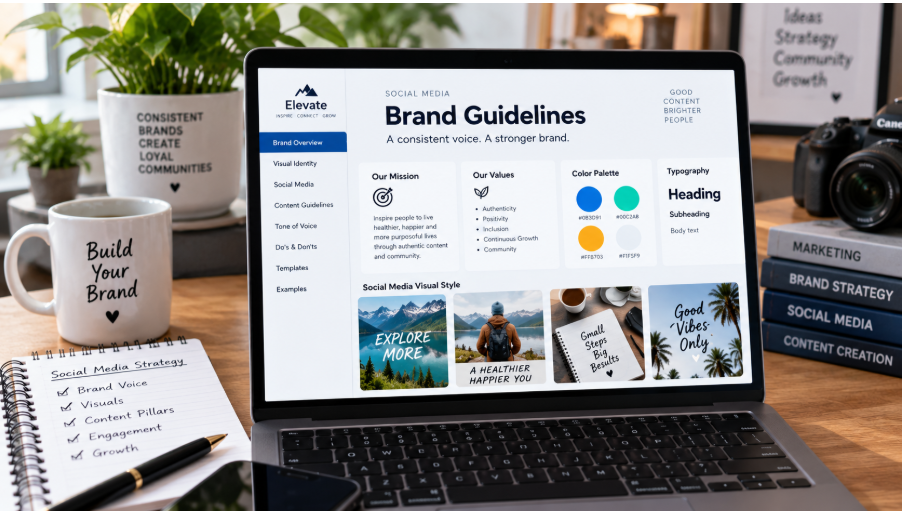
The most successful brands are those that have built a consistent brand. From their colors to posts to their social media brand voice, they have built a strong brand that audiences can trust. However, good branding doesn't happen by mistake. It is a result of a well-defined strategy.
A major key element of a successful brand voice is brand guidelines. This document acts as a central reference that ensures messaging is consistent across different channels, driving brand recognition and trust. In this detailed article, we guide you on creating guidelines to ensure consistency in your brand voice and overall branding.
What are Brand Guidelines?
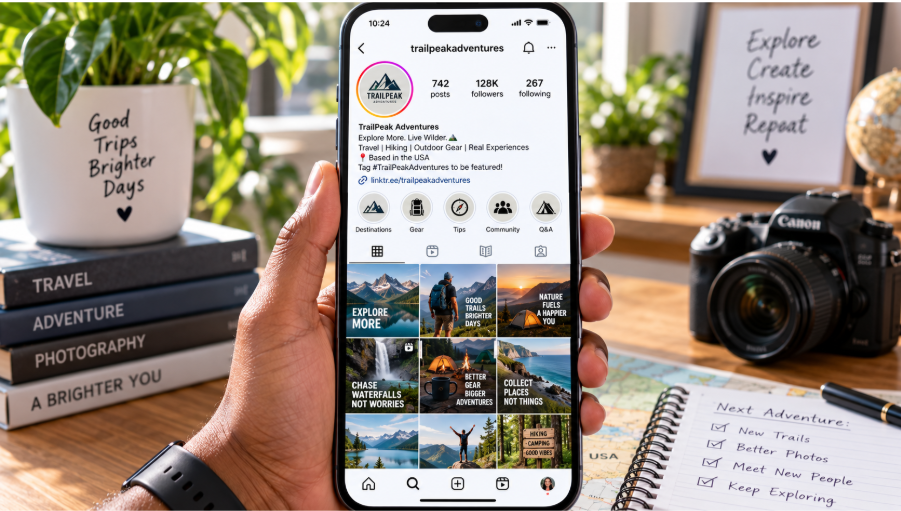
Brand guidelines are the rules defining how your business looks, behaves, and sounds online. The document outlines the brand tone, voice, and engagement style, so that your presence is consistent on different platforms. This ensures that you maintain a cohesive message on various social media platforms, ensuring that your business can be easily recognized and trusted.
Also known as a style guide, the document ensures that your followers can instantly recognize your brand on various platforms.
Why You Need Brand Guidelines on Social Media Are Necessary
Creating brand guidelines offers various benefits for brands, such as:
Authenticity
According to one study, 88% of customers suggest that they prefer supporting authentic brands. But how can you achieve authenticity? You can do that by remaining consistent in your branding and messaging. When you use a signature and recognizable color, you can increase the chances of people discovering your brand by 80%. That's why many people are able to recognize the Coca-Cola logo and color.
Consistency
When you have brand consistency, it means your brand images, values, and messages remain consistent across different platforms. According to one study, being consistent can grow your revenue by 33%. Consistency isn't only about your brand visuals but also your posting schedule. If you are posting 20 reels this week and next week none at all, that's also a sign of inconsistency.
Better Cohesion
Brand guidelines ensure that your team members align, even in different offices. According to one study, one in every four Americans is a remote worker. Without brand guidelines, you may struggle to ensure that the different team members in your marketing are in agreement.
Recognition
Clear guidelines can help define what your brand is about. When you do so, you can ensure that your creators are picking the right content that resonates with your target audience.
Key Elements of Brand Guidelines on Social Media
Here are the key elements to include in your brand guidelines:
Tone
Perhaps you have followed some brands for many years until you felt like their posts sounded like those of a close friend. You already knew your expectations from them. It could be their memes, GIFs, and captions you were in love with. This is the power of a brand voice.
Before you start creating social media or website content, you should have clear brand guidelines. This is important because your brand voice can be an essential part of the brand personality, differentiating your brand from competitors, and helping make your followers familiar with your brand.
When you build a brand tone, you want to ensure you have exclusive social media rules, such as:
- Make sure the long words, phrases, and links are abbreviated to match the constraints of the captions.
- A choice between an overly serious and formal tone or a playful one.
- How to interact with competitors.
- How to respond to mentions by a fan in a review or complaint post.
- Rules for using UGC.
- Whether complaints should go to legal or compliance before answering. Fans can also screenshot in a few seconds, and therefore, deleting them later may not help.
A Well-Defined Strategy
When it comes to your strategy, you should define the channels and kind of post to focus on, including a good social media cross-posting strategy. For instance, your strategy can define your presence on the following platforms and the kind of content they should create as follows:
- Facebook. Campaign promotions, news, competitions, and promotions.
- Twitter. Breaking news, retweets from other sites, market movements, etc.
- TikTok. Fun content such as client challenges, BTS content, office pranks, and other relatable stories.
- Instagram. Images of the office location, events, and business trips.
- LinkedIn. You can share news about affiliates and partners, office culture, affiliate and partner programs, etc.
Ensure that the posts for the different platforms are as different as possible. Therefore, you can begin with a strategy for one or two channels before building your marketing for the other channels. Make sure the content to post on each platform is well-documented so that you will have a good structure for your team. This ensures you engage fans on different channels.
Remember that you should be consistent with your brand guidelines on social media. Therefore, you will also need to choose how many times a week to post. For instance, you can choose to post five times a week on X, while you can post three times a week on other channels.
Define Your Visuals
A key element of the brand guidelines is the main visuals, especially if they pertain to your channels. You can include different elements in your strategy, including:
- Brand colors. Have Hex codes to mark the primary & secondary colors. You can also add their display guidelines. For instance, how much white space can be used in a photo?
- Filters. Which filters will we be using on different channels, such as Instagram?
- Fonts. What font should you use? What is the header size? Is there a way of dealing with such spacing, and should these be bolded?
- Logos. You can have a wide range of access to different logos for different color combinations, sizes, and even transparent backgrounds.
You might feel like the visual guidelines are not necessary, especially if you are a graphic designer. However, remember social media is a fast-moving field, and what is trending today will not work tomorrow. Therefore, you still need to provide your designer with these guidelines for visuals.

Hashtag Rules
When adding hashtags, you should define how you want to leverage them on different channels. Some of the brand hashtag rules to add are:
- Branded hashtags. Do you want to ensure these are evergreen rather than trending, time-sensitive ones?
- A platform to get a hashtag. You might discover that Facebook users hardly use hashtags, but the same are quite popular on Instagram and Twitter. Therefore, ensure that you define the platform you plan to use the hashtags on in the brand guidelines.
- Hashtag trend. Define where trending hashtags should be included in your strategy. Lifestyle: Is there something to avoid, such as politics, violence, COVID, etc.?
- Hashtag number. It's not necessary to be very specific about this, as you might look like you are micromanaging.
- Hashtag accessibility. Define whether your hashtag is added in CamelCase or in black to increase the voice generator users’ accessibility.
Details for Legal Compliance
With many countries passing social media laws, it has never been more important to consider legal compliance when creating brand guidelines. You therefore need to confirm if your post will require approval by the legal compliance team before posting. This is especially important if you are in certain industries, such as pharmaceuticals, food, and beverage, etc.
Again, you will need to give guidelines for complying with the platform's rules. For instance, Instagram has banned certain hashtags, such as #thinspiration, as well as false weight-loss captions and images. Therefore, you also need to add certain elements in your guidelines, such as:
- Risk warnings. Are there some risk warnings that should be added to the post? Should that be the image rather than the caption? Should they then remain on screen for a particular video length, or be of a particular size?
- Key rules. What are the rules of your industry? For instance, if you are on a finance site, you can have rules banning the use of a get-rich-quick scheme.
- Complaints handling. You want to add a rule on whether a complaint needs to go through the legal department before sending a reply. Make sure you have clearly defined the rules and the timeframes for providing an answer to prevent a possible social media crisis.
- Platform rules. Add the key points of what is allowed in your field that can cause your account to be banned or the page to be deleted.
Final Thoughts
Creating brand guidelines doesn't need to be complicated. You only have to understand the rules to follow. When you do that, you can increase the strength of your business and ultimately drive results from the interactions.


