
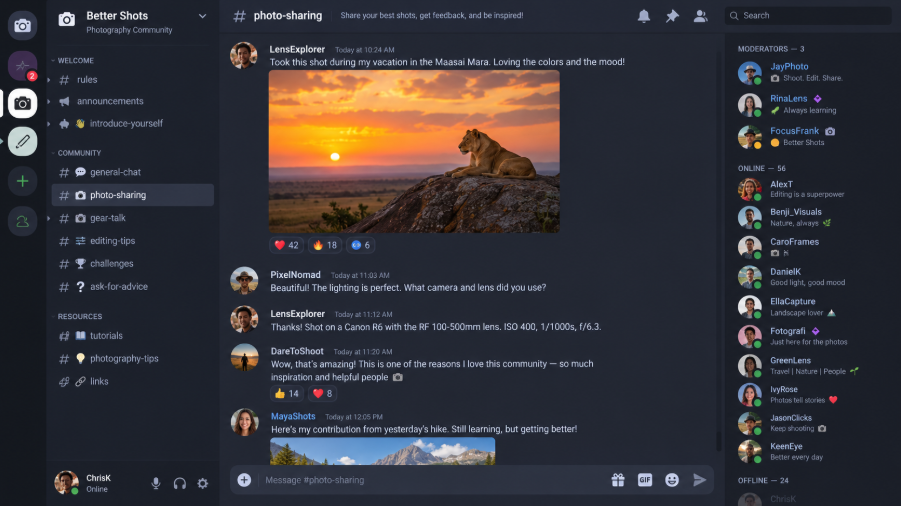
One of the ways that creators can drive engagement with their social media posts is by building a loyal niche audience. With the amount of social media content becoming overwhelming, the need for a community-first social media platform has become clear. An online niche community can bridge the gap between a creator and their audience. That is why, in this article, we guide you on how to build a loyal niche community.
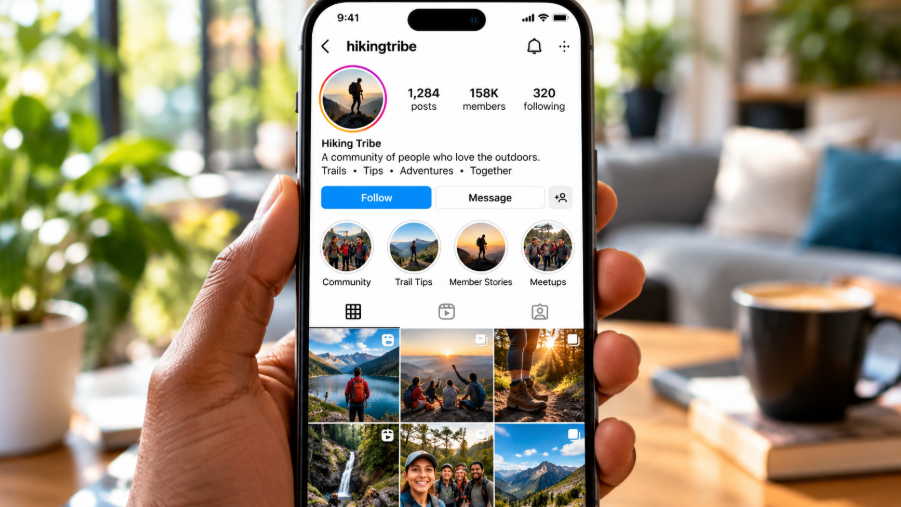
What a Niche Community Means
Niche communities refer to a group of people brought together by a shared objective. This can be something like a particular hobby, a challenge, or an exclusive lifestyle they are trying to pursue. The communities are meant for a small group that is interested in a topic and intends to meet other like-minded people.
Niche communities focus on reaching the right target audience and building a more loyal following. It differs from broad and generic communities, as it focuses on a goal that ensures every conversation is impactful and relevant.
Examples of niche communities can include:
- Healthy living bakers seeking recipes and tips on doing healthy baking.
- Freelancers/Digital nomads who are also raising kids.
- Patients with diabetes looking for a natural cure.
The aim of a niche community isn't to generate likes or comments or go viral. Its main focus is on building relationships with the right people. For instance, a group on fitness can be too broad. Therefore, when creating a niche community in the fitness niche, it can be “professional women looking for quick workouts at home and in the office”.
As you can see, a sub-niche community sets itself apart from broader communities by focusing on a specific niche, which makes it possible to attract the right audience. It also brings together people interested in the niche idea, making users feel heard, supported, and safe. Creating a thriving community should be part of your Instagram engagement strategies.
Why Creators Need Niche Communities
At the surface level, creating content on a tiny niche community may look like it's not worth it. After all, when you focus on a tiny group, you will be limiting your reach. However, this is not the case, and when well done, a niche community can result in a more powerful niche community. Rather than focusing broadly, niche communities tend to target an audience interested in what you have to offer.
If you are a creator, there are a number of good reasons to consider having a niche community, such as:
- Building credibility and authority. As the founder of a subniche community, you are often seen as the expert in that niche, becoming their go-to platform for those looking for a solution.
- Develop real collaboration opportunities. A niche community differs from one-way content in that people can speak to one another. They are able to ask questions, share their success stories, and create together, making them part of your team rather than just the following.
- Test & grow ideas. A community should act as an incubator, whether you plan to test a particular concept or gain feedback on a concept. You will be informed by the members about what seems to work and what isn't working.
- Get a monetization option. After you are trusted by your community, you can take advantage of that to start providing paid products and services such as digital downloads, group events, programs, online courses, and memberships.
- Get a platform. It's worth noting that social media can be quite unpredictable with algorithm changes, drops in reach, and content getting buried. However, when you have a niche community, you are the one who controls the narrative and makes lasting rules.
- Steady and sustainable growth. When you have a community focused on building quality connections, you can ensure a stronger foundation.
Benefits of Niche Communities
Here are some of the reasons why having a niche community drives better research:
- Highest engagement level. When you have an audience that cares a lot about a particular topic, they are likely to stay tuned to the content, contribute to the discussion, and even share the content. Instead of being passive scrollers, they become active participants.
- Less noise & more voice. When you are creating general topics, you are likely to keep shouting to be noticed, as there are also many other creators looking for attention. However, when you are targeting a niche, you can reach an audience interested in the niche.
- Build trust. When you have audiences sharing similar experiences and speaking one language, this can result in connections that are stronger and more honest.
- Natural growth. If members of a community are happy, they are likely to discuss it. They can invite family and friends to the community, leading to the organic growth of the community even without ads.
Key Elements of an Effective Niche Community
To build and steadily grow your subniche community, you need a good strategy. Some of the major elements of a successful subniche community are:
A Clear Goal
First, you need to have a clear goal for why the community exists, its target audience, and more. With such a focus, it's possible to attract the target audience and ensure that the group aligns with it.
Good Moderation
Unless the people in your niche community engage with one another in a respectful way, it can be hard to grow it. To ensure that, make sure you attract the target audience and the space remains aligned. When you have strong and respectful moderation, you can set the community tone, avoid chaos, and ensure that the discussions remain helpful and on the relevant topic.
The Right Platform
The choice of a platform is also an important consideration. Don't consider only the features, but consider whether the platform you are choosing has the necessary tools for connecting the members. For instance, if members of your niche community prefer fast-paced or casual chat, Discord can be a great platform.
How to Build a Loyal Niche Community
If you are a creator wanting to build a loyal niche community, here are the steps you need to follow:
Ensure You Have a Shared Goal
A shared goal is the foundation of a successful niche community. Without one, your group can be like a social club. To determine your goal, start by finding an unfulfilled need, then build a community focused on filling the void. When you have a shared goal, you can engage members and have a more relevant community.
Ensure a Sense of Inclusivity and Belonging
When it comes to community-building, it isn't about bringing people together; it's about helping people feel they belong, which requires the facilitator and leader to foster inclusivity. Make sure you are more deliberate about listening and growing your members’ voices. Also, make sure the communication channels are open, and you welcome divergent views. Take time to regularly audit your practice. When you create an opportunity for the members to lead in the conversations, you can create a sense of belonging, helping you build a loyal Instagram audience.
Share Member’s Success Stories
An important part of strong communities is seeing that members attain their goals. You can do that by celebrating their achievement, boosting their engagement and morale. When you do that, you can position yourself to be an example of excellence. Therefore, take time to promote the achievements of the members on social media, events, and newsletters.
Provide Value Beyond the Networking
For a successful community, you should go beyond just networking. Instead, you need to highlight the benefit the member will gain. Whether it's exclusive use of industry tools, professional development, mentorship, or educational content, the provided value will determine if the community grows.
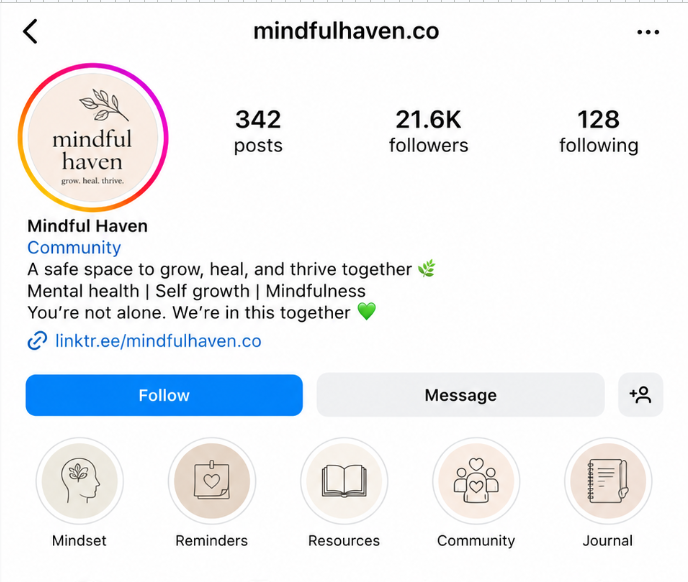
Improve Connections Through Technology
There are different platforms and software to help you connect and engage members. However, avoid the challenges that come with superficial interaction, like quick exchanges and small talk, such as emojis and likes. When you have a user-friendly and easily accessible digital platform, you can guide discussions and host events such as webinars.
With a properly managed online presence, it becomes easier for community members to grow together and collaborate, no matter where they are. Consider the role of technology in reaching your goal, and use the top tool to build a deeper connection.
In Conclusion
Having a nice community can be challenging, and it requires more than just connection. You need to create the right environment where your audience feels empowered and is committed to providing real value. No matter the industry, have a goal, make your audience feel appreciated, provide them with value, encourage their collaboration, and share their success stories. By doing that, you can have a successful niche community.


