
One essential step in a marketing campaign is mapping the customer’s buying journey. This will help you understand what they need at each stage of the process, allowing you to focus on meeting their needs. In this AI age, brands are leveraging AI technology for content creation and understanding their customers' journeys. This article will examine how AI has helped improve the overall experience.

What is an AI Customer Journey?
The AI customer journey involves the seamless integration of AI at various stages of the customer’s interaction with a business. By understanding the different stages of the buying process, from initial interaction with the company to providing support after the purchase, businesses can enhance the customer experience and increase loyalty and conversion.
In the traditional customer buying journey, customers typically move through different stages, such as awareness, acquisition, and becoming a loyal customer. This process can then be enhanced through AI by:
- Processing large data volumes from several touchpoints.
- Finding correlations and hidden patterns.
- Customer behavior prediction.
- Customer journey personalization.
- Providing reasonable optimization insights.
Why AI is Important in the Customer's Buying Journey
Reports indicate that customers are ready to abandon their carts if they feel that their needs and expectations haven't been met. Surveys regularly find that many customers have switched brands in the past year, often because of slow or poor service, and most say they would buy again from a company that solved their problem quickly.

Customers also abandon carts due to other issues, such as poor agent performance, lack of cross-channel consistency, and insufficient self-service options. Traditional solutions don't address these obstacles, as many agents have to deal with repetitive processes and outdated technology. The good news is that cloud contact centers can use AI to enable agents to deliver a smooth and contextual experience within the customer’s buying journey.
How AI Helps to Optimize the Customer's Buying Journey
Here are ways in which AI can help in the customer's buying journey:
Predictive Analysis
AI predictive analysis involves analyzing consumer data to identify patterns that can help determine a customer’s expectations and needs. Predictive analysis can help you better understand the customer’s buying journey and use that information to improve the customer's buying experience.
The good thing with AI is that you can use sophisticated models to process different data points and gain actionable insights to:
- Improve customer experience.
- Enhance operations.
- Give agents more detailed context.
You can then use these benefits to lower the customer cart abandonment rate and improve conversion. In fact, this can turn your customers into your brand ambassadors.
Personalization
Customers are now demanding personalized experiences rather than standardized experiences. The good news is that AI enables the customer experience to be tailored to the customer’s needs. Recommendation engines can analyze data using machine learning and, therefore, recommend products at different stages of the buying journey.
When customers realize that the offers have been customized to their needs, they convert easily. This results in higher sales figures and increased customer loyalty. Studies indicate that the fastest-growing companies are those that personalize customer experience.
Multiple Channel Communication
An average brand has customers engaging with it on multiple channels. According to one study, customers communicate with brands with an average of nine channels, including social media, websites, and phone calls. This also means brands must provide a cohesive and connected experience across different channels.
AI tools enable brands to collect consumer data across different channels. This ensures that customers don't have to keep repeating themselves, which customers rank among the most frustrating parts of dealing with a brand.
Sentiment Analysis
AI sentiment analysis and speech analytics tools can track a business's customer experience. These tools can be handy, mainly when used in combination with speech-to-text tools. You can use them to search a particular index conversation or keyword to understand every interaction.
For instance, when customers call the brand's call centre, AI can analyze their tone and speech patterns to determine if they are frustrated. Such insights can help businesses train their agents on how to improve customer inquiries, enhance emotional intelligence, and make calls in an empathetic language.
Self-service
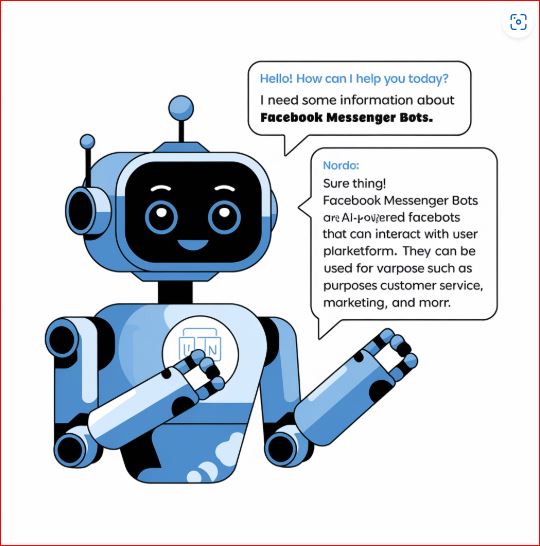
Chatbots are usually self-service tools that provide consumers with solutions without human assistance. They are a better choice for solving simple questions. When matters get beyond them, they elevate the inquiry to an existing agent.

The good thing is that agents can see the context of the inquiry that was earlier received by the chatbot, enabling them to deliver a better experience. This ensures that the burden on customer service agents is reduced, as they are relieved of simple and often repetitive tasks. Therefore, the agents can spend more time on issues that demand greater attention and resolve them fast and confidently.
Building Customer Loyalty
During the last stage of the buying process, brands aim to encourage customer loyalty and advocacy. AI can help brands to encourage referrals, personalize rewards, and foster better community engagement. The brand can offer AI-personalized rewards depending on the customer's purchasing habits, engagement, and product usage, thereby increasing customer satisfaction and retention.
AI-first marketing can identify customers likely to refer others, based on their engagement and feedback, and then provide incentives to those who do. AI tools can help create online communities that promote relevant discussions, enabling customers to share their experiences and best practices.
In Conclusion
Many companies are only scratching the surface when it comes to what AI can do in the customer’s journey. With many AI models continuing to evolve, brands must leverage their capabilities to serve modern customers the way they expect. By leveraging AI, customer service professionals can reduce cart abandonment, enhance the customer experience, and increase conversions.


