

You can post every day and still feel a little lost. You know that feeling? You hit publish. Then sit back and wonder if any of this actually moved you forward!
It is strange how social media works. You do so much. You juggle content. Replies. Trends. Timing. Yet the real story hides inside the numbers you check when no one else is watching. And honestly, those numbers do not always feel friendly.
Some weeks, they lift your mood. Other weeks, they poke holes in your confidence. I think every social media manager has stared at a dashboard thinking, “Is this good? Or am I totally missing something?”
The truth is simpler than the chaos makes it seem. You do not need to track thirty things. Or twenty. Or even ten. The wins, the momentum, the health of your accounts… it all comes down to a handful of weekly signals. Signals that tell you what is working, what is slipping, and what needs attention before it turns into a problem.
You know that moment when you open analytics, and everything feels like static? These metrics cut through that noise and become your compass. Not to overwhelm you. Just to guide you. Lightly. Like someone tapping your shoulder, saying, “Look here. This part matters.”
So let us kick off with all the major metrics that every social media manager should track The ones you should check every single week if you want a clear picture of where your social presence is really heading!
The first five are the core weekly checks. The last three, shares, saves and traffic sources, are worth adding once the first five are a habit.
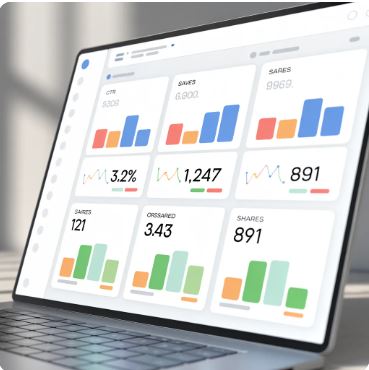
Weekly Reach Shows How Far Your Voice Actually Travels
Reach is one of those numbers people glance at but rarely sit with, but it quietly tells you something important. How many unique people actually saw your content this week? Not liked. Not commented. Not clicked. Just saw. That simple exposure matters more than most managers realize.
I think reach acts almost like your platform’s breathing pattern. When it rises, your content is circulating. When it dips, something is clogging the flow!
Maybe your posting rhythm shifted. Maybe your topics fell flat. Maybe the algorithm tested your content with smaller groups. Reach shows that pattern long before engagement does.
A week where likes look fine but reach drops sharply is a warning that something behind the scenes needs attention. Without this metric, you would miss it.
Checking it weekly helps you catch these shifts early. It tells you how healthy your distribution is, if your content is being seen, if platforms are giving you space, or if everything is quietly shrinking around you.
Reach lets you know if your voice is still traveling or if it is getting stuck in a small corner of your audience!
Engagement Rate Reveals If People Still Care
You could reach ten thousand people or a hundred thousand. But if barely anyone interacts, the message is not landing. Engagement rate takes all your reactions, comments, and shares and shows you how many people actually cared enough to respond.
So you are not just measuring attention. You are measuring connection. I think this metric hits the heart of social media. People forget it is social. The whole point is interaction. If your content is being seen but not stirred, something in your tone, format, or message needs adjusting.
Engagement does not have to explode every week. It just needs to feel alive. Real. Moving in the right direction. A small lift means people are leaning in. A dip means your content might be missing emotional resonance.
Sometimes a week brings low reach but a rising engagement rate. That usually means the content is strong and distribution will catch up, so there is no need to overthink it.
Engagement rate does that. It brings clarity when everything else feels cloudy!
Follower Growth Shows Whether You Are Gaining Trust
Numbers do not equal worth. But weekly follower growth does show something subtle. Trust. Someone saw your content, then decided they wanted more of you. Not just today. Tomorrow. Next week. That is a small commitment. But a meaningful one.
I think social media managers often obsess over big jumps. Viral spikes. Those moments feel great. But the slow, steady week-to-week growth tells a deeper story. It shows if you are building a community. If your topics resonate. If your tone feels welcoming. Or if people drift away quietly.
Follower growth is less about ego and more about direction. Are you attracting people who fit the audience you want? Or are you pulling in the wrong crowd? Are your new followers sticking around? Or vanishing just as fast?
Honestly, I treat follower growth like checking the oil in a car. Quick. Simple. Yet incredibly revealing if something starts to slip. Weekly tracking keeps you grounded and prevents you from being tricked by one viral week, then disappointed by one quiet one.
Growth is a pattern, not a moment!
Click-Through Rate Shows Whether Your Content Drives Action
The views are nice. Likes feel good. But click-through rate shows if people actually do something because of you—whether they tapped your link, opened your blog, checked out a product, or joined a newsletter. Took a step past the platform.
CTR, or click-through rate, becomes your action metric. It reveals if your calls to action make sense. If your hooks create enough curiosity. If your audience trusts you enough to leave their feed for a moment and explore something deeper.
I think this metric is one that many managers overlook because it feels too business-like. But social media is not just a conversation. It is direction. You guide people somewhere. CTR shows if that guidance worked.
Posts with modest views sometimes have the highest CTR. You don’t need viral reach to move people. You need the right message at the right moment.
Weekly CTR keeps you aware of how persuasive your content is. Without it, you are basically guessing!
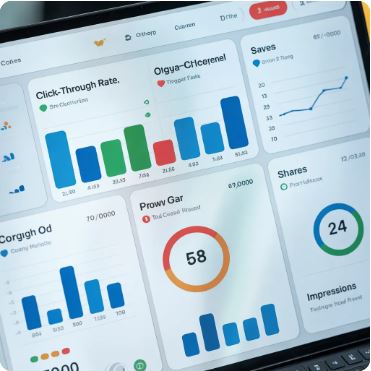
Audience Retention Shows Where Attention Slips Away
This one stings sometimes, but it is one of the most honest metrics you will ever look at. Audience retention tells you how long people stick with your content before drifting off!
Not in a judgmental way. More like a quiet truth-teller sitting beside you saying, “Hey, people bailed here.” It shows exactly where attention cracked. Where the scroll urge kicked in. Where something lost its spark.
This metric humbles every manager eventually. You see the drop-offs. The steep cliffs. The dip three seconds in because maybe your intro wandered. Or a mid-point sag because the pacing softened. It happens to everyone.
But weekly tracking helps you spot patterns. If retention drops at the same moment across multiple posts, you know exactly what to fix. If it drops earlier and earlier, maybe your hooks need more clarity. If it holds steady but views are low, then the issue is distribution, not content.
Retention does not yell. It murmurs. But what it murmurs is incredibly helpful!
Share Rate Shows If Your Content Feels “Worth Passing On”
Shares are like little endorsements. Someone watched your content, then felt it was good enough to send to a friend, a co-worker, or a group chat. That is a bigger compliment than a like because they are putting their name behind it. “Here. This is worth your time.” That is trust.
I believe the share rate reveals the emotional weight of your content. People share things that hit them in the chest. Something funny enough to retell. Something useful enough to save someone’s time. Something relatable enough to say, “This is literally us.”
Tracking shares weekly tells you which pieces are culturally sticky and which ones your audience uses as extensions of their personality, humor, or identity. A high share rate often means your content tapped into something collective. Something bigger than yourself.
Plus, shares boost reach without begging for it. A small group of highly engaged people can push your posts farther than a large passive audience ever will!
Saves Reveal Long-Term Value People Want To Return To
Saves are the quietest metric. No fanfare. No instant dopamine. But they mean a lot. When someone saves your post, it means the content has enough long-term value that they want to revisit it later.
That is a deeper form of engagement. Something a little more intentional. Almost like bookmarking a chapter.
I think saves often get ignored because they do not show up publicly or inflate your ego in the feed. But they matter. Weekly saves tell you which posts provided lasting usefulness. Tutorials. Tips. Lists. Reminders. Frameworks. Emotional truths. Anything people want to keep nearby.
A high save rate is a sign that you are building authority. Not in a loud way. In a quiet, dependable way. The kind that keeps your audience returning because they know your content gives them something real. Something that sticks.
Posts with lots of saves but few likes often keep performing long after the like-heavy ones fade.
Traffic Sources Show Where Your Growth Really Comes From
This is the detective metric. It reveals how people actually find you. Not how you think they do. Not how you hope they do.
But the real paths. Maybe a discovery feed. Maybe search. Maybe someone shared your post in a place you did not expect. Maybe your older high-retention content keeps resurfacing.
I think tracking traffic sources weekly basis grounds you. It stops you from guessing. If most of your new reach comes from explore pages, you know discovery is strong. If it comes mostly from your existing followers, then your distribution is stable but not expanding. If search drives a lot of views, your SEO or topic positioning is working.
This metric shapes strategy more than people admit. It tells you where to lean in, what to repeat, and what to adjust. It stops you from putting effort into the wrong doors because you finally know which ones are actually open!
Conclusion – Data is Not the Point, Direction Is!
Weekly metrics are not there to overwhelm you. They are there to guide you. Social media moves fast. Feelings blur. Results shift. Some weeks feel hopeful. Some feel confused.
But these numbers whisper the truth beneath the noise. They show what is growing. What is fading? What deserves your attention so you do not burn yourself out chasing the wrong things?
I think the real power of tracking weekly is that it helps you feel grounded. You stop guessing and spiralling. You stop letting one bad post ruin your mood. Instead, you start seeing patterns. Small rises that mean momentum. Small dips that need gentle correction. Everything becomes less emotional and more intentional.
And honestly, that intention is what makes you a stronger manager. Someone who does not just post but understands. Someone who grows with purpose instead of luck!


