

While Facebook started as a platform for sharing updates and photos with family and friends, it has now evolved into a social media hub where people go to be entertained, shop, connect with like-minded people in groups, and even research products and services. The type of content that works on Facebook has also evolved as the platform has added new features, such as Reels and Stories.
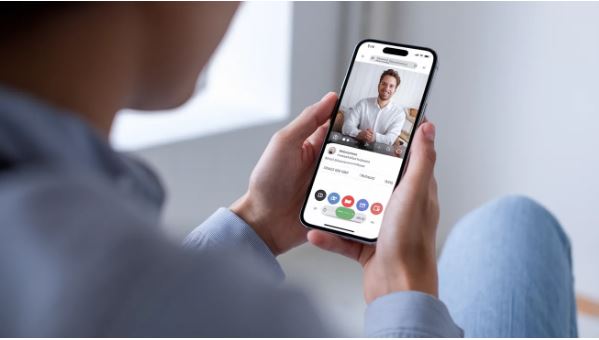
One of the content formats that has become very popular on Facebook and other social media platforms is videos. Statistics indicate that 92% of internet users watch at least one video online, with the average user spending around 17 hours every week watching videos.
Short-form videos, such as Facebook Reels, are the most popular content. That means having a strong Facebook video marketing strategy can help you gain visibility on the Platform. In this article, we guide you on the right Facebook video marketing strategies that work in 2026.
Why Facebook Video Marketing?
In an ever-evolving digital landscape, video content remains one of the most popular formats because of its ability to captivate audiences and drive user engagement. When considering video marketing platforms, Facebook is one of the most prominent options. As the most popular social media platform, with over 3 billion active users, Facebook offers a large audience demographic that brands can use to reach their target audience.
Here are some great reasons to consider video marketing:
Higher Engagement Rates
Video makes up a fairly small share of what brands post on Facebook, yet in most engagement benchmarks it is among the formats with the highest engagement rates. This means brands have a unique opportunity to use the power of videos to drive engagement and increase brand loyalty.
Deeper and More Personal Connections
Compared to other media, videos can convey your message more effectively. By combining audio, storytelling, and visuals, videos offer a more powerful emotional connection for audiences. Whether it's showcasing a new product, providing a behind-the-scenes preview of your brand, or sharing insights, videos enable brands to connect more deeply with their target audience.
Ability to Reach the Target Audience
Video content appears more prominently in the Facebook user feed than other content formats. As the reach of organic posts declines, video content offers brands a better chance of being seen, reaching a larger audience, and enhancing brand awareness.
Video content enables brands to reach specific demographics and interests, helping them connect with their target audience and amplify their message. As noted, Facebook videos tend to have higher engagement than other content formats.
Potential to go Viral
Social media users are more likely to like, comment on, and share a video, increasing your brand’s visibility and fostering a sense of community. Such engagement leads to greater brand loyalty and encourages customers to keep coming back.
Video content can also go viral easily. When you create a video that resonates with viewers, they are more likely to share it with followers and friends, reaching a greater growth potential. Such organic sharing can boost your brand’s reach and help you reach new audiences, especially when combined with Facebook lead ads.
Ability to Track Performance
Facebook provides important analytics and insights for video content, enabling businesses to track different metrics such as audience retention, engagement, and views. These insights can enable brands to refine their video marketing, create well-optimized campaigns, and improve their understanding of brand behaviors and preferences.
How to Make Outstanding Facebook Videos
There are several steps involved in creating an outstanding Facebook video that will achieve your marketing objectives. These are:
Determine Your Objectives
You need to start by understanding what you want to achieve with the video before you even begin creating it. Some of the most common objectives can include:
- Conversion. Do you want to use the video content to increase your sales and revenue? If that is your answer, you should optimize your videos to get more views and convert customers.
- Drive engagement. If your goal is to have people follow your page and interact with your brand, use videos to ask the right questions and encourage people to act.
- Reach. If you want to increase brand awareness and reach new customers, you need to ensure that your video content is more interesting, engaging, and shareable.
Choose a Facebook Video Format
There are different video formats marketers can use on Facebook. Here are some of the common video formats:
Facebook Reels
Created as competitors to TikTok and YouTube Shorts, Facebook Reels are short vertical videos. Since 2025, Facebook shares almost every video you upload as a reel, so the format is now the default for video on the platform. These video formats are a good choice for reaching a larger audience and enabling them to discover your content. This is a good content format if you are trying to make money on Facebook.
Facebook Stories
These are similar to Instagram and Snapchat stories and consist of a collection of videos, photos, or both that disappear after 24 hours. They come with features such as text, stickers, and filters for different roles, including showcasing behind-the-scenes images for how-to photos. Facebook stories are usually saved in an archive and can be revisited later by tapping the menu at the far right of Facebook and then your name. You can tap Options just below the cover photo, then Archive, and then Story Archive at the top.
Facebook Live Videos
Facebook Live videos are a good choice for creators and brands looking to broadcast live virtual events, Q&A sessions, and real-time performances. They enable viewers to comment and share the broadcast in real-time. They can then publish the recorded video to their page, group, or profile so users can view it later. This is, therefore, a greater format for driving real-time engagement.
Native Facebook videos
These are the videos posted on the Facebook feed and can be of any length. They are uploaded directly to the platforms, enabling native editing tools, custom thumbnails, and CTAs, thereby improving the user experience.
When choosing a video format, remember that vertical or portrait videos, such as reels, have the highest engagement rate. This is understandable as 98% of Facebook users access the platform on their mobile devices. This makes the video format easier to consume and more engaging on mobile devices.
Understand the Elements of a Good Facebook Video
A good Facebook video should include elements that help you reach your target audience and convert them. These are:
Video Length
We noted earlier the different options for Facebook videos; therefore, you will need to determine which one works best for your needs. Meta has long recommended keeping feed videos short, often under 15 seconds for ads, because shorter clips are more likely to be watched to the end.
Creating short, fast, compelling video messages will attract your viewers. People scroll quickly, so short videos that get to the point are more effective at encouraging users to click and engage.
There is no doubt that short-form videos have become increasingly popular in recent years, thanks to platforms such as TikTok and YouTube Shorts. However, longer videos also perform considerably well because of several reasons:
- Facebook’s algorithm recommends content that drives engagement on the platform for a long period.
- Users prefer story-driven, value-packed content.
- Brands can connect deeply with their target audience through behind-the-scenes content, tutorials, and storytelling.
Therefore, the length of your Facebook video will also depend on the video format or objective. Short videos are quite effective for Facebook Stories and in-feed video ads. However, you can use longer videos for Facebook Lives and native videos.
Products and Services
Since you are doing Facebook video marketing, use the videos to showcase your products and services. You can use the videos to tell your brand story and showcase your product's unique features. Here are some ideas to consider for your Facebook video:
- A simple concept consisting of combined images.
- Demonstration video.
- Short, looping videos.
- Review videos.
- Scrolling screen capture.
Thumbnails
An important element often overlooked in Facebook video marketing is the thumbnail. This is even though adding a compelling, striking thumbnail can make people stop scrolling to watch the video. While Facebook will automatically create a thumbnail for the video, a custom-made thumbnail will have a greater impact.
You can add a thumbnail by clicking Upload Video. Click on the Media Section, followed by the Edit video. From the left side, Select Thumbnail. Click Manual Option, then Upload, and finally Save. The recommended size for a Facebook thumbnail is 1280 x 720.
Call to Action
Add a CTA at the end of your video that encourages viewers to take action, such as buying the product, visiting your site, or learning more. The CTA is an important part as it helps close the deal and enables viewers to take action. There are three different ways to add a CTA to Facebook videos, such as:
- Adding the CTA in the video post. For instance, you can book a demo or visit our page for more details.
- Middle of the video. You can use a text overlay or voice-over, such as a caption that says click here for more details.
- End of video. This can be at the end of the video with words such as Sign up using this link.
No matter the method you use, a call to action can help audiences understand what to do and increase the likelihood that they will become customers.
Consider the Video Content
You will need to determine the video content you will be creating for your video marketing. Remember that creating an outstanding video requires more than just hitting the record button. It requires a combination of creativity and continuous tracking and improvement.
To ensure that you have a continuous stream of fresh and engaging content, you can consider different content, such as:
- Product videos. You can use these videos to showcase your products in use and, therefore, help your target audience better understand their benefits and features.
- User-generated content. An important element of a Facebook video is to tell your viewers what it's about and what makes it unique. There are various ways to show trust. According to one report, 90% of users say their buying decisions are affected by UGC. You can leverage UGC by adding business snippets as text overlays. Another alternative would be to put these in your video descriptions.
- Q&A. Use Facebook videos to answer common questions your audience asks. This will enable you to offer value even as you engage with your audience.
- Customer testimonials and expert interviews. This involves creating videos featuring your satisfied customers or industry experts to showcase your brand as credible.
- Tutorials. You can use them to educate your audience about the problems your videos solve.
- Video series. You can create a series of short videos on a specific theme or topic to capture your audience’s attention and keep them coming back for more.
- Company events. If you had a company event that showcased behind-the-scenes content, you could use it to create videos and thereby humanize your brand.
Remember that having different themes of video content can sustain audience interest, prevent content fatigue, and ensure more effective, dynamic video marketing.
Use a Hook to Stir Your Audience’s Interest
People decide in a second or two whether to keep watching, so brands need to capture the audience’s attention as quickly as possible. This is why it is necessary to begin your video with a strong hook consisting of:
- An interesting question.
- A surprising fact.
- Compelling and attention-grabbing visual.
Your social media goal should be to create content that compels your audience to watch. This could be an emotionally appealing statement or an eye-catching visual that resonates deeply and quickly with the target audience. Remember that unless you hook your audience in the first few seconds, they won't keep watching.
Add Proper Video Captions
A large share of people watch social videos with the sound off, especially in public. If your videos have no caption, a great percentage of your target audience might not get the message. A hook provides instant context for your videos and helps viewers decide whether it's worth their time. It also enables the hearing-impaired to understand the video and improves video comprehension for viewers in noisy environments.
Beyond accessibility, captions improve your video's SEO, boosting discoverability and driving organic traffic. Therefore, video captions can help you increase reach and engagement, and make your Facebook videos more effective.
Video Upload on the Platform
One mistake creators make is uploading videos to other platforms, such as YouTube, before sharing the links on Facebook. This usually affects views compared to videos posted directly on Facebook. Statistics indicate that videos uploaded natively to Facebook achieve 86% higher reach and 168% higher interaction.
Older studies found that native Facebook videos got several times more shares than YouTube links posted on Facebook. That makes sense, because no platform wants to send users to another platform, but they all want to keep users on their own platforms for as long as possible.
On the other hand, when you upload a video directly to Facebook, you can keep users on the platform longer, increasing user engagement and revenue. When you upload videos directly to Facebook, the algorithm prioritizes native videos, resulting in better interactions and visibility.
Integrating Videos Into Different Stages of the Sales Funnel
The sales funnel is the journey a buyer takes from the moment they first discover your brand to the moment they make a purchase. When creating videos for your Facebook marketing, you need to realize that your videos will reach buyers at different stages of the sales funnel.
Top
The top of the funnel is where you aim to build brand awareness with broad, high-level videos that capture the audience's attention, generate interest, and increase brand awareness. This is the stage where you need to create a great first impression and pique your target audience's curiosity about your brand.
Mid
As you continue guiding the prospects down the sales funnel, you need to start making the videos more specific, showing viewers what sets your brand apart from the competition. To do that, focus on creating videos that showcase your unique value proposition and the products or services you use to build trust at a higher level.
Bottom
At the bottom of the sales funnel, your audience is already willing to make a buying decision. Therefore, your messaging should be more focused and have a call to action. You can create different types of videos at this stage, such as product demos, limited-time offers, and customer testimonials, to pique your audience’s interest.
When you create content for and tailor it to the different stages, you can ensure you are speaking to your audience's needs and increase conversions. Whether you use short- or long-form videos, you need to ensure they serve the different stages of the sales funnel.
Repurposing Your Successful Videos
Content repurposing involves repurposing your already successful videos for different platforms and formats to extend their impact and reach. This is a great strategy because, no matter the type of content you are making, you will put a lot of time and effort into it. If you are only using Facebook to distribute your video, you might not get great results. You can also repurpose user-generated content to increase reach and build trust in your brand.
Facebook offers you the opportunity to repurpose the content you already have, turning it into different video formats. However, content repurposing needs a strategic approach for maximum impact. When repurposing your social media videos, start with the most successful ones. Since these videos are already popular, you can make the information more engaging and digital for audiences.
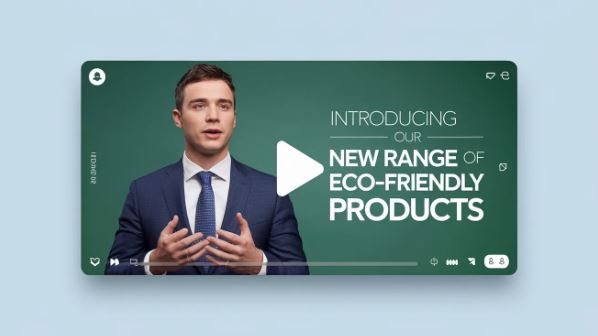
When you repurpose your Facebook videos, you increase their reach, reach different audiences, and ensure that the impact of the original material is higher.
Here are some ideas for content repurposing:
- Create video summaries from your blog. You can highlight key points in your blog posts to format them for video, thereby appealing to users who love visual content. The videos can be turned into different formats, such as Facebook Reels.
- Create explainer videos from Infographics. You can animate your data and add motion effects to create more shareable, dynamic infographics.
- Create video episodes from podcasts. You can add static images and visuals to your podcast to appeal to your video audience.
- Create educational videos from webinars. You can turn your webinars into short and digestible clips for your Facebook educational content.
Get Insights From Your Most Engaging Videos
You need to understand what makes the videos more engaging and to keep refining the overall plan. To do that, you need to review performance data, such as Facebook analytics, to identify your best-performing video. You can identify the patterns in the best-performing videos, such as the formats, themes, and content pillars that consistently capture your audience's attention.
For instance, by analyzing video content, you may discover that videos featuring educational content and customer testimonials tend to achieve higher engagement. You might also discover that videos with a specific visual style or length appeal more to users. When you recognize these patterns, you can understand how to create more content that works and do away with the content that doesn't, thereby driving a higher level of engagement and conversion.
Post at the Right Time
To maximize the reach and engagement of your Facebook videos, you need to understand when to post them. The best posting time depends on your target audience, so it's a good idea to analyze their behavior to determine when they are most online. Again, leverage Facebook Insights to get data on your audience's online behavior, preferences, and demographics.
You can also experiment with different posting dates and times to determine the one that drives the highest engagement. Consider the type of content when determining the right video post frequency, particularly if your goal is to maximize video engagement and views.
If you create educational or highly informative videos, a regular posting schedule can help your brand be seen as an industry thought leader. However, if you create entertaining videos, you can consider spacing them out to increase anticipation and also build a buzz.
Leverage Video Ads
The competition among video platforms has increased in recent years. If you want to ensure your videos get the visibility they deserve, you should use Facebook ads. According to a Databox study, 67.55% of Facebook advertisers report better results with video than with other content types.
To achieve the results you want with your video ads, start by defining your goal. This is the same goal for your other videos we discussed earlier. Make sure these goals align with your overall business goals, then leverage different video ad formats on Facebook, such as in-stream ads, Stories, and Feed ads.
In Conclusion
Facebook video marketing is a great way to increase brand awareness, drive engagement, and boost conversions compared to static or text images. According to one study, the average Facebook video click-through rate is 1.84%. With over 3 billion users, Facebook video marketing lets you reach a large audience. Therefore, go ahead and use the above guide for your Facebook video marketing.


