

When creating a social media content strategy, you will need to choose between image, video, or carousel posts. This is especially true on highly visual platforms like LinkedIn and TikTok. In this article, we guide you on how to choose between static posts consisting of images and videos versus carousel posts.
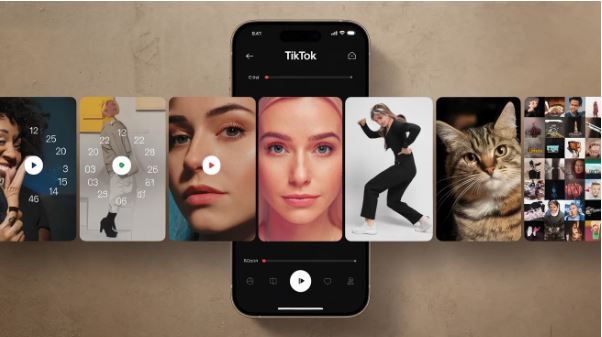
How Carousel Posts Differ from Static Posts
A static post usually consists of a single video or image, which helps deliver the message quickly. This content format can work well for announcements, highlighting a single product, or drawing strong attention to a single visual. When deciding between carousels and posts, keep in mind that each content format has its place.
A carousel post usually consists of multiple swipeable slides. On Instagram, you can add a maximum of 20 slides, while TikTok can support up to 35 images, including multi-slide posts. An outstanding carousel post should have a clear structure consisting of:
- A hook on the first slide to grab the viewers’ attention.
- A valuable middle to add depth to the middle.
- A clear CTA at the end to encourage viewers to take action.
This flow works for brands that leverage a carousel-post strategy, guiding users through different stages, from brand awareness to conversion. The opportunity to interact with the brand is what makes a difference. Unlike a single image, which is usually passive, a carousel post encourages action through Swipes. This leads to more time spent on the page, which can improve ranking, as we will note later.
How Carousel Posts Drive Engagement
Video content has been ranked as the most effective content for driving engagement. However, according to one study by Social Insider, Carousel posts have higher engagement in some cases, reaching 5.1% compared to single-image or video posts. But according to the report, the engagement rate for carousel posts is 1.92%, compared to 1.74% for images and 1.45% for videos.
The report cites that while video content seems like the best format for driving engagement, it also requires social media users to invest their time. For the viewers to get to the gist of the video, they need to watch a video for as long as 60 seconds, the average video size on the Instagram feed. On the other hand, carousel posts get to the point quickly. Therefore, it's important to make the right choice when choosing between carousel posts and video content.
If your goal is to drive engagement, you will need to consider several factors, such as:
- Audience preference. Does your audience prefer detailed and in-depth guides? If the answer is true, carousel posts are a good choice for you. But if they need content for quick consumption, consider reels.
- Type of content. Carousel posts are a good choice for highlighting a product's features. But if you want to showcase behind-the-scenes content from your production process or brand culture, you can use reels to do so.
- Analytics review. Use analytics to post the performance of your post. Look at engagement metrics such as likes, comments, shares, and saves to track which content formats resonate best with your audience.
Driving engagement can help you land on the Instagram explore page.
How Carousel Posts Can Increase the Reach of Your Profile
Instagram carousel posts are not only effective for driving engagement but also for increasing your page's reach. This can be attributed to the format’s effectiveness at grabbing people’s attention and encouraging them to swipe through your content’s cards. That means social media users spend more time on your carousel posts than on videos and static images.
When the Instagram algorithm notices that people are spending more time on your posts, it interprets that as your page offering quality content, and it will rank your page higher. As with YouTube, the longer someone spends on your profile, the more likely it is to appear in their Instagram feed. This is corroborated by Hootsuite data, which shows that carousel posts typically have a reach of 1.4 times that of regular Instagram posts.
How Engagement Changes For Different Slides in a Carousel Post
While it's clear that carousel posts have the highest engagement, the engagement rate varies with the number of slides. Carousels that use more slides often see higher engagement, as long as every slide earns its place. This can be attributed to the fact that when someone invests time watching all the slides in a carousel post, they find them valuable and wouldn’t mind leaving a like, comment, or share. Another carousel option that drives high engagement is a format that combines videos and images, with a 2.33% engagement rate.
You can get people to swipe left more often by posting high-quality, captivating content. I recommend posting honest, authentic brand visuals in a storytelling format. Whether you are posting photos or video content, keep them high-quality and in line with your brand style, colors, and tone. Additionally, reminding them to continue swiping left will also work.
Choosing Between Carousels and Reels
To choose between reels and carousels, follow these steps:
- Consider your goal. Do you want to increase sales, educate, entertain, or drive community interactions?
- Content needs. Which of your content formats works great for your content strategy? Is it to showcase several products in a carousel or create a trending video?
- AB testing. Use A/B testing tools to track the performance of both formats. Pay attention to the engagement over a particular period and compare the results. Ensure your future strategies are adjusted based on the results.
- Get feedback. You can collect views from your audience using DM or polls to gain insight into their preferred content strategy.
- Keep adapting. Remember that social media is an ever-evolving field, so you need to keep experimenting with different features and formats to keep your content fresh.
Final Thoughts
Both carousel and static posts are among the best types of Instagram content for driving engagement. When choosing between reels and carousel posts, consider your audience preferences, analytics insights, and engagement goals. Both formats are great for driving engagement and can help you meet different objectives. However, the best approach is to incorporate both content formats to meet the unique needs of different audiences.


