
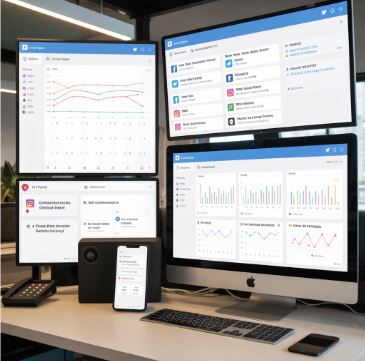
Managing one social account is already a lot. Managing three, five, or ten can feel like spinning plates while answering emails and making coffee!
At first, you tell yourself it is temporary. You will get organized soon. You will batch content next week. You will finally catch up on replies. Then weeks pass, and burnout creeps in quietly. That is usually when automation tools enter the chat.
They promise to save time. Less stress. Fewer tabs open. Post once, publish everywhere. It sounds like relief. It also sounds a little risky. You might wonder if automation kills authenticity, if algorithms punish it, or if using tools makes your brand feel robotic instead of human. Honestly, these are fair worries.
I remember opening my first scheduling tool and feeling both excited and suspicious, like, “This feels too easy. What is the catch?” This article breaks down whether automation tools are actually worth it for managing multiple social accounts, when they help, when they hurt, and how to use them without losing your voice. No hype. No tool worship. Just real trade-offs.
Let’s start with why people reach for automation in the first place.
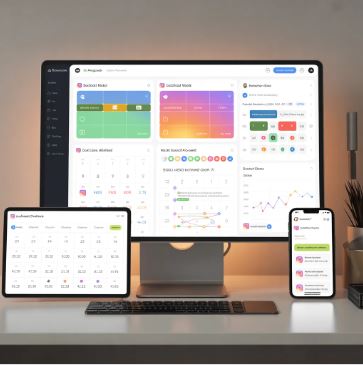
Automation Solves Time Problems, Not Strategy Problems
This distinction matters more than most people realize. Automation tools help you execute faster. They do not help you decide what to say, who to talk to, or why you are posting in the first place. If your strategy is fuzzy, automation just helps you spread that fuzz faster.
Think of automation like a conveyor belt. It moves things efficiently. But if what you put on the belt is messy, the output is still messy. Just quicker.
People often buy tools hoping clarity will follow. It rarely does. Automation shines when you already know what works. You know your content pillars. You know your posting rhythm. You know which platforms matter most. Then automation removes friction.
I think this is where disappointment starts. People expect tools to fix the overwhelm caused by unclear goals. Tools cannot do that. Used correctly, automation buys back time. Used blindly, it creates more noise.
Scheduling Posts Can Free Your Brain in a Big Way
This is where automation really earns its keep. Scheduling removes the daily pressure of “What do I post today?” That mental load adds up fast, especially when you manage multiple accounts across platforms.
Batching content once a week or once a month creates breathing room. You stop living inside the apps. You stop reacting all day. You get to focus on deeper work. That mental shift matters.
I noticed this the first time I scheduled a full week ahead. My phone felt quieter, and my attention felt less fragmented. I could actually think.
Automation tools excel at this kind of background work. Upload. Schedule. Walk away. Let the system handle timing. This does not mean you disappear completely. It just means you are not constantly context-switching. That alone can justify the cost for many people.
Posting Everywhere Automatically Can Backfire
Here is where things get tricky! Most automation tools make it easy to post the same content across every platform. One caption. One image. Click publish everywhere. Convenient, yes. Effective, not always.
Each platform has its own rhythm, tone, and expectations. What feels natural on LinkedIn can feel stiff on Instagram. What works on X, formerly known as Twitter, can feel rushed on Facebook.
When content feels copy-pasted, audiences notice. Engagement drops. Trust softens. Automation should support adaptation, not replace it!
The sweet spot is using tools to schedule, but still tailoring captions slightly for each platform. Same core idea. Different delivery. That extra step keeps content feeling human. Automation saves time, while blind automation costs connection.
Engagement Needs a Human Touch
This part is non-negotiable! Automation can schedule posts, but it cannot build relationships. Comments, replies, direct messages, and conversations need a human on the other side.
Some tools offer automated replies or comment moderation. These can help with spam or simple filters, but real engagement should stay manual. People can tell when responses feel canned. It creates distance instead of trust.
I once tested automated replies on a busy account. It saved time and made conversations feel flat. I turned it off quickly.
Automation works best behind the scenes. Planning. Scheduling. Reporting. But the front-facing interactions should still sound like you. If connection matters to your brand, keep humans in the loop!
Analytics Matter More When You Manage Multiple Accounts
When you run more than one account, guessing stops working fast. You cannot rely on vibes alone. You need patterns. What performs where? What flops quietly? What surprises you? Analytics help you see that without scrolling endlessly.
Automation tools shine here because they pull data into one place. You stop hopping between apps. You stop comparing screenshots in your head. You get a clearer picture.
This does not mean drowning in charts. Simple metrics matter most. Reach. Saves. Clicks. Replies. Trends over time.
I think analytics feel intimidating until you realize they are just feedback, not judgment. Once you see them that way, they become useful instead of stressful.
Automation Helps Teams Stay Sane, Not Just Organized
Automation is not only for solo creators! Once more than one person touches social accounts, things get messy fast. Missed posts. Double replies. Conflicting tones. Awkward overlaps.
Scheduling tools create structure. Everyone knows what is going out and when. Approvals happen in one place. Fewer surprises. Fewer late-night messages asking, “Did this already post?” That clarity saves energy!
I have worked with teams that resisted automation at first, then wondered how they survived without it. The chaos fades quickly once systems are in place. Automation does not replace teamwork. It supports it.
Cost Feels Expensive Until You Price Your Time
This is where hesitation usually shows up!
Most automation tools are not free. Monthly fees add up, especially when margins feel tight. It is easy to say, “I will just do it manually.” But manual work has a cost, too—time, focus, energy, and opportunity.
If automation saves you five hours a week, what is that worth? More clients. Better content. Less burnout. Actual rest.
I think people underestimate how draining constant posting really is. The cost shows up later, not immediately. When tools give you breathing room, they often pay for themselves in less obvious ways.

Algorithms Do Not Punish Automation, Poor Content Does
This myth refuses to die! Platforms do not penalize you for using scheduling tools. They penalize content that people ignore. That is the difference.
If your posts feel generic, repetitive, or poorly timed, engagement drops. People blame automation. The real issue is relevance.
Automation does not break reach. An inconsistent strategy does. Most major platforms openly support scheduling tools. They care about user behavior, not how the post got published.
I think this fear sticks around because automation feels like cheating. It is not. It is logistics. Content quality still decides everything!
Too Many Tools Can Create More Work, Not Less
This part sneaks up on people. It starts simple. One tool for scheduling, then another for analytics. Another for inboxes. Another for approvals. Suddenly, you are managing the tools instead of the content.
Automation should simplify, not complicate. Before adding a tool, ask one question: “What problem does this actually solve for me?” If the answer is vague, pause.
I have seen people burn out juggling dashboards. All efficiency. No clarity. Fewer tools, used well, beat complex stacks every time!
Automation Is Worth It When It Supports How You Already Work
Automation runs smoother if it matches your usual routine instead of trying to change it. If you’ve got some kind of routine going—even if it’s all over the place—automation helps tidy it up. Chances are, you’re clear on the stuff you want to share, the times you feel like posting, or where your energy works best!
Tools step in and remove friction. Less clicking. Less context switching. Fewer “oh no, I forgot” moments.
Problems start when people expect automation to invent structure for them. That rarely ends well. A tool cannot decide your voice. It cannot tell you what content deserves attention. It just helps move things along once you do.
I think this is why automation feels magical for some people and useless for others. The difference is readiness. When you already have direction, automation amplifies it. When you do not, it magnifies confusion.
So before committing, it helps to ask a question: “Do I already know what I want my social presence to look like?” If the answer is mostly yes, tools help. If the answer is no, start smaller!
Manual Posting Still Has a Place, Even With Tools
Automation does not mean everything should be scheduled. Some posts benefit from being spontaneous. Timely reactions. Quick thoughts. Replies to trends. Personal updates that only make sense in the moment. Those feel better when posted manually.
This balance matters more than people admit. The healthiest workflows often mix both. Planned content handled by automation. Real-time moments handled by you. That blend keeps accounts feeling alive instead of overly curated.
I think people worry that using tools means losing authenticity. It does not. Authenticity comes from intention, not timing. Automation handles the predictable parts. You handle the human parts. When both exist together, social media feels lighter, not robotic.
The goal is not to automate everything. The goal is to automate what drains you so you can focus on what energizes you!
Different Accounts Need Different Levels of Automation
Not every account deserves the same treatment. A brand account with consistent messaging benefits from heavier automation. A personal brand or creator account often needs more flexibility. A client account may require approvals and reporting. Your own account might not.
Trying to run everything through one rigid system usually creates frustration. Instead, think in layers. Which accounts need structure? Which needs freedom? Which needs speed? Which needs care?
I have seen people over-automate small accounts and under-automate large ones. Both cause stress. The right level depends on goals, audience, and emotional bandwidth.
I think this is where many setups break. They chase uniformity instead of fit. Automation works best when it adapts to the account, not the other way around.
The Real Value of Automation is Sustainability
This is the part people realize last. Automation is not really about saving minutes. It is about saving momentum. When managing multiple accounts manually, burnout sneaks in. You miss days, rush posts, and start resenting the platforms. Creativity drops and consistency breaks.
Automation protects against that slow erosion. When posts are scheduled, you show up even on low-energy days. Even during busy weeks. Even when motivation dips. That reliability compounds over time.
This is why long-term creators swear by systems. Not because they love tools, but because tools help them stay in the game. Sustainability beats intensity every time!
Conclusion – Making Social Media Management Easy With Automation
So, are automation tools worth it for managing multiple social accounts? Yes. When used with intention. No. When used as a shortcut for clarity!
Automation shines when it removes friction, protects energy, and supports consistency. It struggles when asked to replace strategy, voice, or human connection.
The best setups feel quiet, calm, and almost invisible. Content goes out. Engagement still feels real. You spend less time juggling and more time thinking.
Honestly, the right question is not “Should I automate?” It is “What do I want to stop doing manually?” Start there. Automate one pain point. Test it. Adjust. Then decide what comes next.
Social media does not need to feel like a full-time firefight. With the right balance of tools and intention, it can feel manageable again. That alone is worth a lot!.


